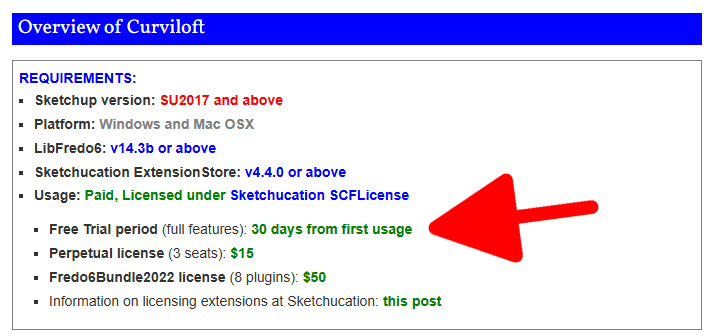
@kavi-priyan install the Sketchucation ExtensionStore and use it to search for and install LibFredo6 and Curviloft. There's a 30-day trial period for Curviloft. After the 30 days you can purchase the license if you wish to continue using it.
Oops, your profile's looking a bit empty! To help us tailor your experience, please fill in key details like your SketchUp version, skill level, operating system, and more. Update and save your info on your profile page today!
Check out Febhouse | New extensions for Shadow Analysis in SketchUp Download
 D
Offline
D
Offline
Posts
-
RE: SCFLicense: Extension Licensing on Sketchucation
-
RE: Toposhaper fails installing on SketchUp 2026
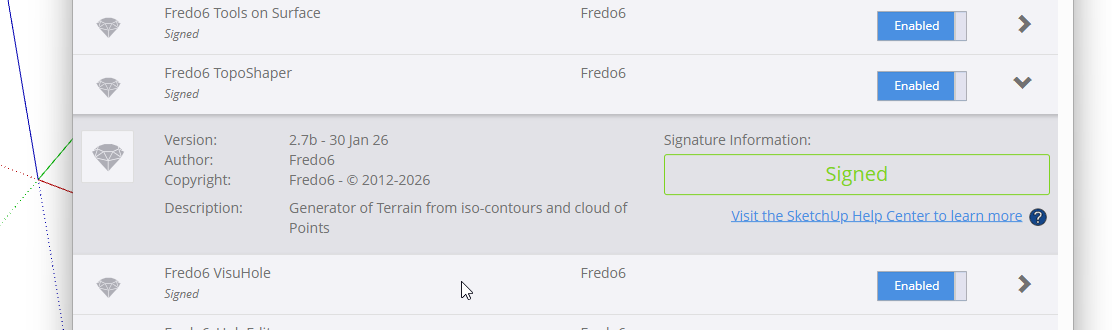
@TIG it shows as signed on my machine.
-
RE: VRay won't recognize studio license
Sorry I wasn't much help. I hope you get it fixed. If I come across anything useful I'll pass it on.
-
RE: VRay won't recognize studio license
I'm doing OK but ready for the cold weather to break. I hope you are doing well, too.
Have you tried contacting Chaos Group's Support. They were fairly quick to reply when I had to do that.
-
RE: VRay won't recognize studio license
Have you gone to your Trimble Connect products and tried to access Vray from there?
-
RE: Transparent SU Logo
@ntxdave said in Transparent SU Logo:
I talked to some people online and that issue is now resolved.
Which issue?
-
RE: Transparent SU Logo
Looks like you clicked on the wrong thing. If it won't go away power your computer off and restart it. Then try again.
-
RE: Transparent SU Logo
Really? I just click where indicated here:

And then here.
Maybe just do a little investigation in Xara and see what the process is for making transparent backgrounds.
-
RE: Transparent SU Logo
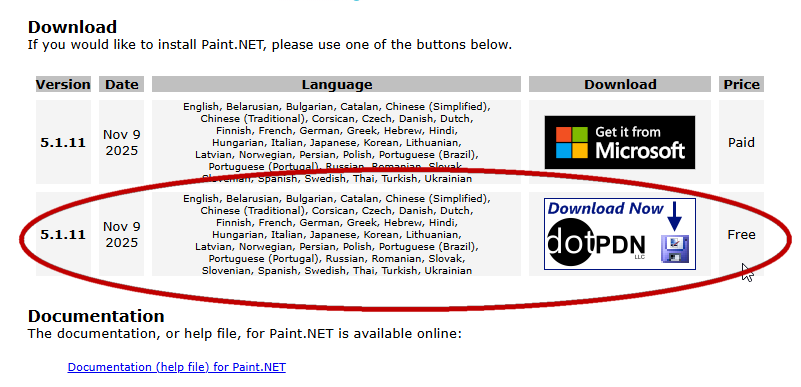
I use PaintDotNet. It's a freeware image editor that is quite powerful. I used the Magic Wand tool to select the background and then pressed Delete. Xara probably has something similar but I don't have any experience with it.
-
RE: Transparent SU Logo
Where did you get that image. It wasn't supplied with a truly transparen't background. It's a simple matter to select that background and remove it in an image editor, though.

-
RE: Transparent SU Logo
Share just the image you are using along with the .skp file with it.
-
RE: Transparent SU Logo
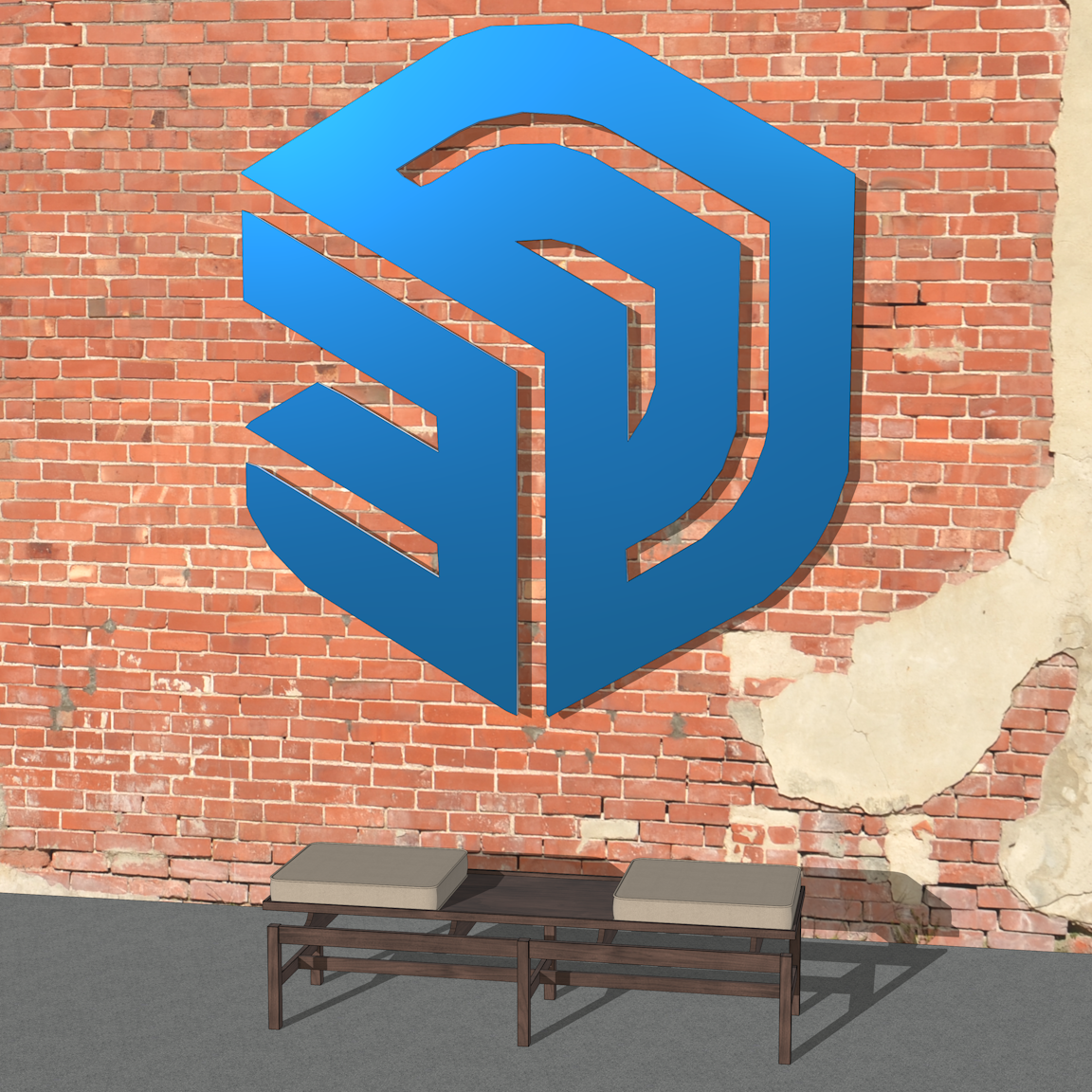
Or are you trying to make a 3D object to put on your background like a sign? Something like this?
-
RE: Transparent SU Logo
In image editors the little gray squares indicate transparency. Share the image you have so we can see exactly what you've got.
@ntxdave said in Transparent SU Logo:
I want to use it in a SketchUp file that has a background.
Do you mean as a watermark?
I pried this one out of SketchUp 2026. It has the gray squares in the image editor but those pixels are transparent.

-
RE: Large Model Lag: Is it my storage setup or just SketchUp limits?
There are many examples in which SketchUp files, especially larger ones, have been fatally corrupted when they've been saved directly to an external drive location. In many cases the data winds up being replaced with zeroes. Often all of the data is replaced with zeroes.
The general adice is to work on the file while it is saved directly to an internal drive. If you need the file to be on a server drive or out in the cloud, copy it to that location after a successful save to the internal drive.
Also, you should be regularly purging unused content from your models, keeping material file sizes reasonable, and keeping polygon counts under control.
-
RE: Toposhaper fails installing on SketchUp 2026
Illustrating what TIG described.
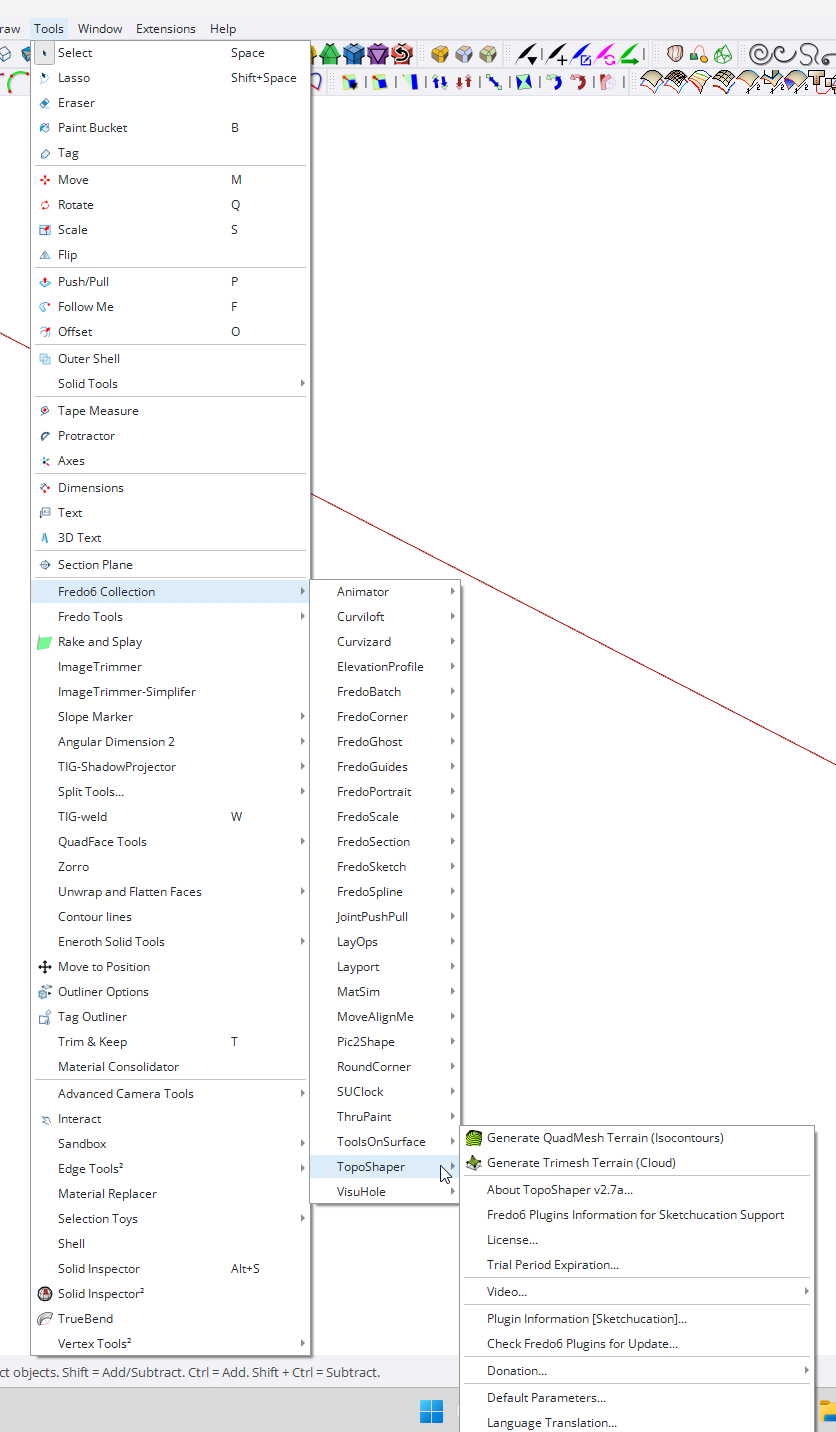
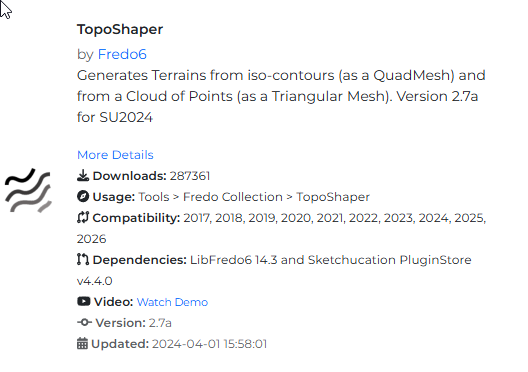
-
RE: Scenes not remembering that I turned off sections
Sounds like you didn't update the style before updating the scenes. Section display is a style setting. If you change anything related to sections you must update the style or create a new one in order for the change to be remembered. If you've made a change to the style and haven't update it, the thumbnail for the style will show the curved arrows.
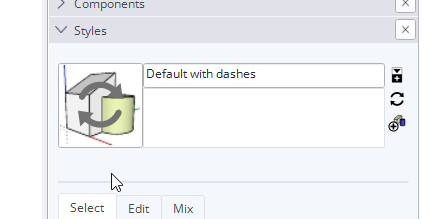
If you don't update the style before creating or updating a scene you should get this warning.
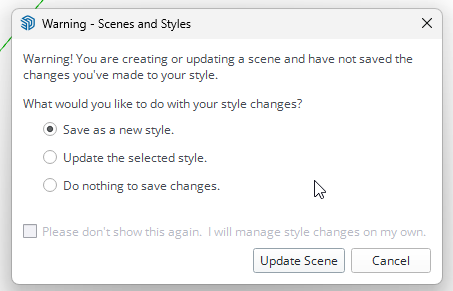
When you get it you need to make a decision. Either save as a new style or update the selected style. Don't just choose Create a new style every time you get it because you may wind up with a bunch of identical styles which makes file management harder. But if you choose to Update the selected style the change will be applied to all of the other scenes that use the style.
If you aren't seeing this warning then at some point you must have selected the Do nothing option and ticked the box to prevent this warning from showing up. You should re-enable the warning since it appears you aren't managing the style changes on your own.
-
RE: Looking for OpenCutList 1.8.0 or earlier — SU2016-compatible version
Have you tried contacting the author to see if they can send you the file?
-
RE: Toposhaper fails installing on SketchUp 2026
How did you try to install it?
-
RE: Delete Used Components
@Gus-R said in Delete Used Components:
Dave, by used I mean existing components. I do use purge unused by I wanted to get rid of a bunch of cabinet pulls.
OK. So you could have used the process I described, right clicking on the component thumbnail and selecting Delete. Would be faster than digging though Outliner, especially if the components are nested in groups or larger components.
-
RE: Delete Used Components
Where do you want to delete them from? What do you mean by "used components"? If there are instances of them in the model space but you don't want them, go into the In Model Components panel. Right click on the component's thumbnail and choose Delete. That will remove all instances of the component from the model space. If there are no instances of the components in the model space, open the Details menu (black button to the right of the drop down list field) and click on Purge Unused.