New version of player approved by Apple today. v3.1
Realtime planar reflections, faster, uses less memory. That is all.
(Something wrong with the new version of ScreenFlow v5 that is stuttering when recording - its not the player!)
 Offline
New version of player approved by Apple today. v3.1
Realtime planar reflections, faster, uses less memory. That is all.
(Something wrong with the new version of ScreenFlow v5 that is stuttering when recording - its not the player!)
Yep, I'm sure the final h.264 is 30Hz - but if you essentially have each frame repeated 3 times, you've got 10Hz. 
So check carefully each encoding stage in your workflow, to make sure its always 29.97/30Hz.
Type 1 triangles are valid in the context of rendering. Yes, they are zero-area - but that's OK because they are also guaranteed to never be hit by a ray. What they do is preserve topology.
However, when you have a zero-length edge (A and C at the same position) - aka a degenerate triangle - that is invalid and should be removed.
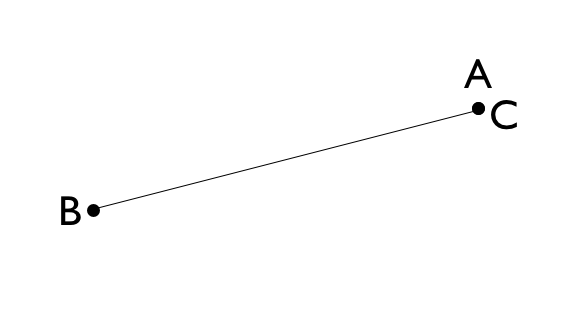
The reason you really want zero-area, non-degenerate triangles is for this case:
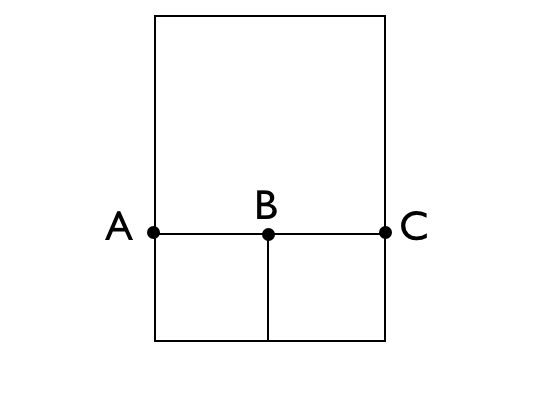
The triangle ABC has zero-area - BUT is critical to retaining a continuous surface. If you remove ABC, what happens is you get tiny cracks in the rendering because computers use a finite precision floating point representation - cracks in your render are entirely unavoidable without these 'stitching triangles'.
Anyway, best of luck with your solution.
@soldatino said:
Lol PovRay does not want triangles because they are redundant information. They are simple edges of something that it does not exist, the edges are not rendered. A triangle of these would be in any case invisible. Some graphics engine uses them but for their own reasons computational graphics. For example sculpties in Second LIfe absolutely needs the mesh is continuing to wrap objects, and I used these invisible triangles to have two detached objects but part of the same mesh ....
Yes, I don't think you're understanding my simple point.
A triangle is inscribed on a plane and its boundary is defined by edges. Any renderer must has topologically manifold surfaces to avoid cracks showing up. Its nothing to do with how small your triangles are, its nothing to do with whether you render (sic) edges.
This is a good paper you should read: http://www.imr.sandia.gov/papers/imr14/patel.pdf
@soldatino said:
Yes, this is a opinion, but I need to export to PovRay, one of the best rendering engines, which does not recognize a triangle which is a straight line with the apex of the triangle placed at an intermediate point. And I can not manually delete step by step all the lines of code that stop and report.
Well that would mean POVRay cannot process any geometry with T-junctions. Which in turn means you're going to have cracks in your rendered surfaces because in removing zero-area 'stitching' triangles, you've broken topology.
Get a better renderer is my opinion.
Just as some background. When conditioning geometry, we make a distinction between zero-area triangles - which are useful to ensure the surface is fully connected, and degenerate triangles in which 1 vertex is repeated. The latter is something you generally want to filter out of your model - and SketchUp does this.
Adam
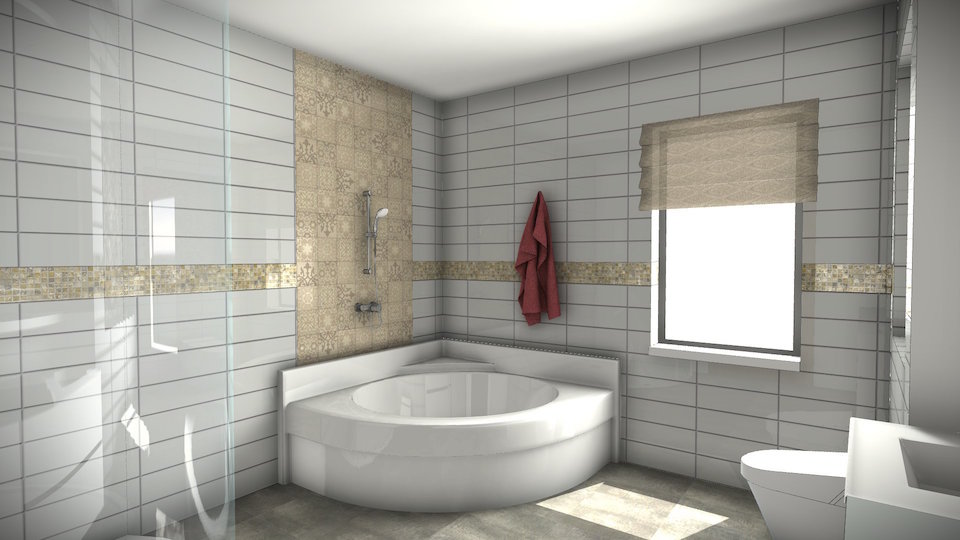
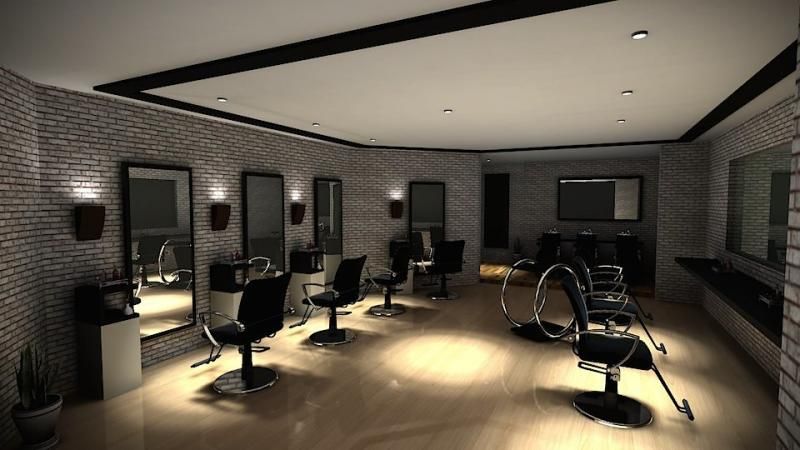
Been playing around to get a reasonable looking ceramic surface in realtime. Started with a glass preset material and tweaked it from there.
SU2015 + LightUp v4 (3 minute lighting, realtime render)
@pmolson said:
Thanks Baz You may be using a lot more initial sketchup scenes. My settings are very similar to yours, but I only end up with about 1800 - 2000 images. I start out usually with about 12 - 20 scenes.
Looking at your videos, they look to me to be 10fps - they're certainly not 30fps.
Check your settings not just on exporting from SU but your video codec is set to 30fps also.
Adam
I'm really liking SU2015 - good job team!
I've noticed a few little things which I'm pretty sure are new..
The material browser now retains the aspect ratio of textures in thumbnails so you can see when they're not square.
The rect tool when inscribing on a surface can inference an edge and keep the dimension locked and you move perpendicular
Any other things people have noticed?
Adam
In case it wasn't clear, LightUp has full 64-bit support for Windows and Macintosh.
On Windows, you need to run the LightUp-x64.msi installer because Windows 64-bit applications live in a different Program Files folder, on Mac its automatic when you run SU2015.
Realtime render
Yep, got caught by that during testing LightUp x64
Workaround is to always invoke #to_f
With the release of SketchUp 2015 (64-bit) we can finally take the wraps of LightUp 64-bit support.
Some of you may have noticed the additional installer "LightUp-x64.msi" appearing in the Windows download. This is for installing LightUp (64-bit) for SketchUp 2015 (64-bit).
On Windows, we're seeing LightUp 64-bit lighting 70% faster than previous versions!
Login to the LightUp website to update your installers.
Realtime render
You're correct Phil. I looked at this plugin and if Layer 0 is changed it throws away your current camera view and forces a hard wired direction using a parallel projection view! 
I know this is an old thread but just for the record, they never contacted LightUp about their plugin problems.
Adam
I've had a few reports of SketchUpBIM causing problems for other plugins including LightUp.
I had a look at it and its insane what its doing. It attaches Observers that simply clear the current Tool whether SketchUpBIM is active or not. It creates new Camera and throws away the current one, whether SketchUpBIM is active or not. Just bull-in-china-shop awful!
Can't raise a peep out of the developers, but one to avoid for now I think.
Adam
@pbacot said:
Adam,
Thanks for the demos. I am not sure what the answer would be as to whether I'd like the results in Lightup. I have to try it again. It looks to me like the AO is too pronounced.
Peter
Peter, the amount of AO is controllable by a Multiplier, so you can tone it down, change the blend colors, change the blending with direct lights. Lots of control to get the look you want.
I turned it up to full whack just so you could see the difference of AO cutoff.
LightUp v4.1c released.
Just login, go to Downloads and enter your RegKey at the bottom of the page.
@rich o brien said:
Are you referring to the back left corner where the ambient occlusion is more pronounced in two areas.
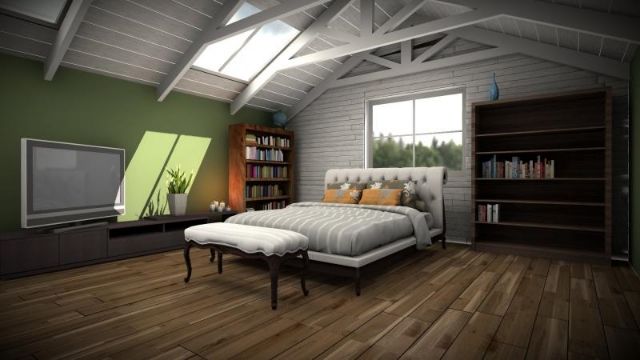
I used the floor plugin to build the timber siding but SketchUp appears to have eaten a triangle there. 
@pbacot said:
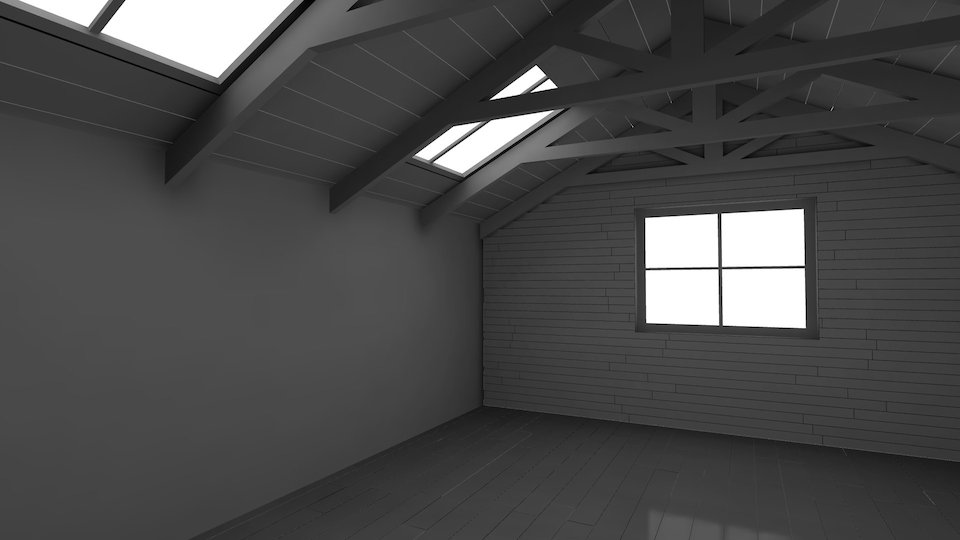
The (AO?) shading of the ceiling at most of the trusses makes it look like it is floating an inch above the trusses instead of sitting on them. See the second truss in. Maybe it is the lack of the same AO on the trusses themselves.
One thing is that raytracers tend to have quite aggressive AO cutoff by default - a few inches away from the surface and its full white - whereas LightUp defaults to a few feet.
Using the Custom cutoff distance, you get quite different results. These AO with no color bleed ('clay render') using increasingly large cutoff distances:
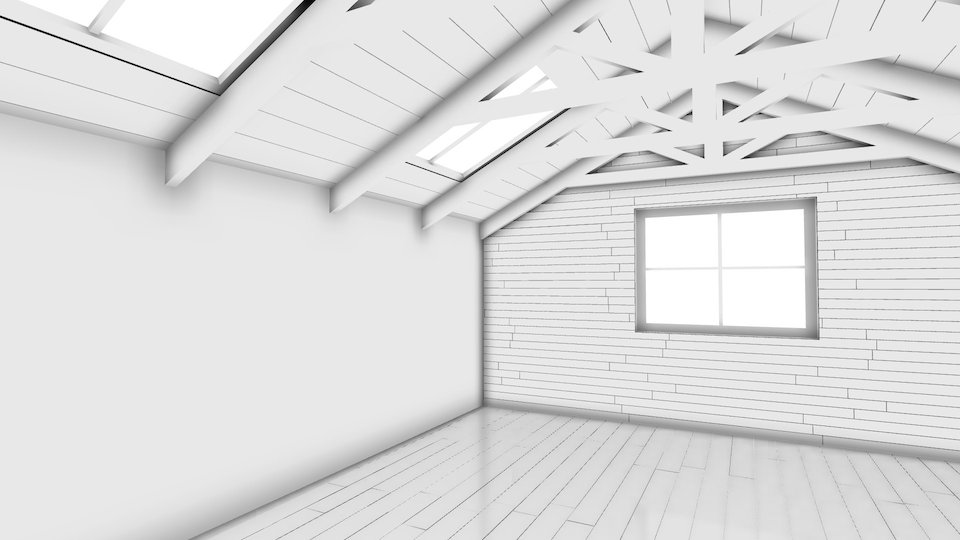
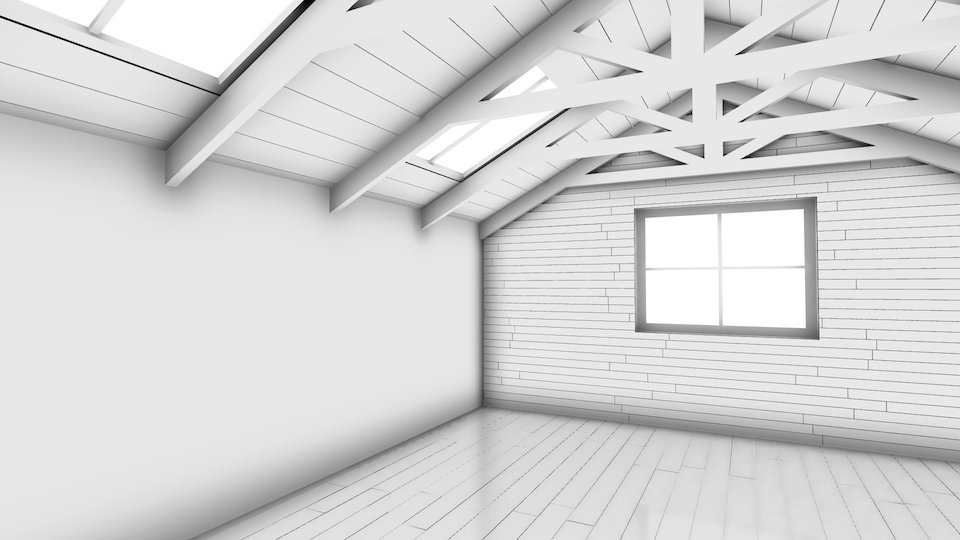
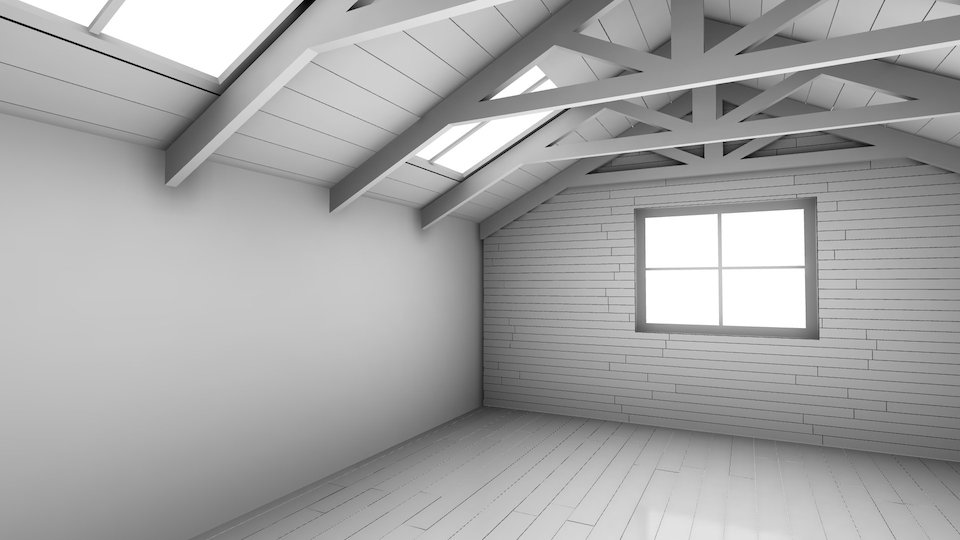
Here's a quick video covering some setup for polished floors.
And a couple new stills with fixed wood grain and reduced floor polish. Thanks for the feedback.
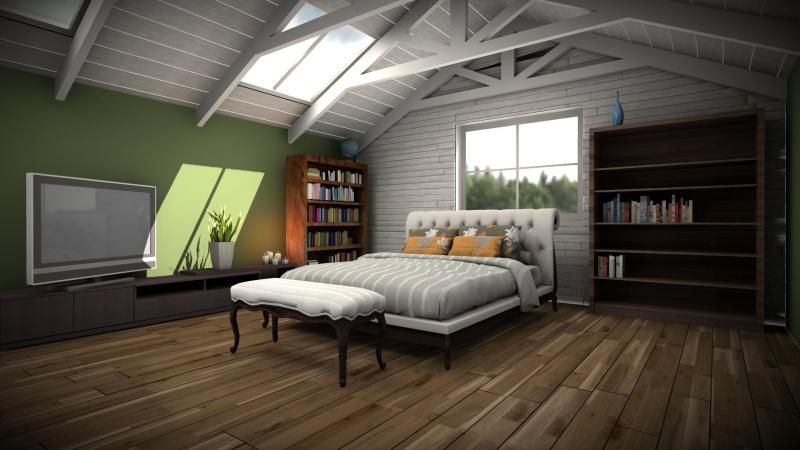
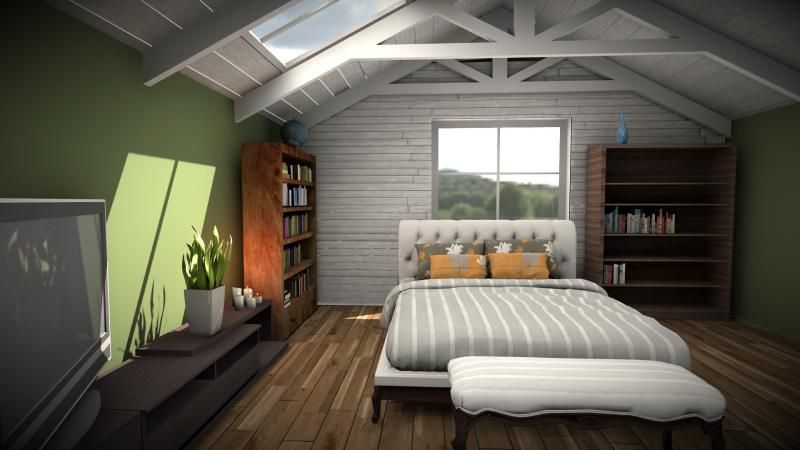
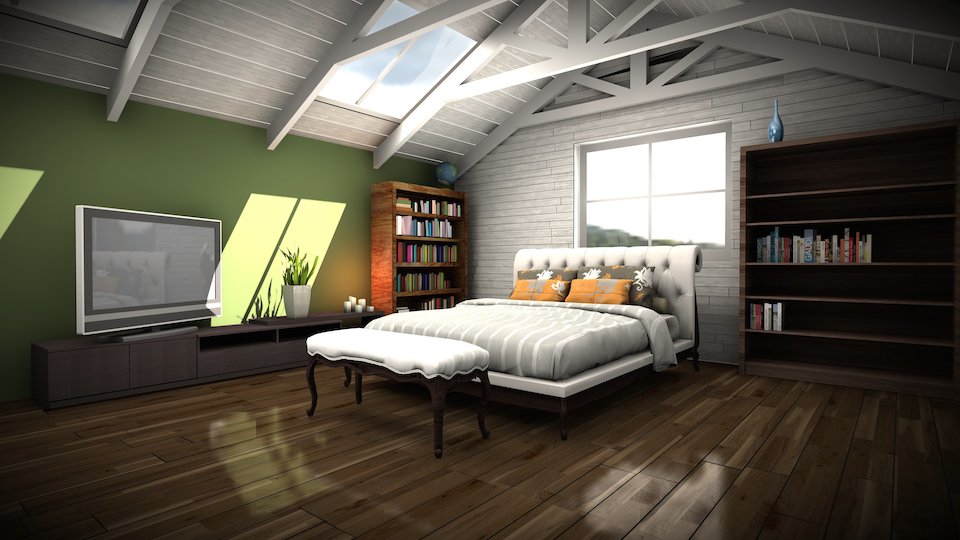
3 minute render at 3840x2160 resolution.
SketchUp 2014 + LightUp v4.1
AppStore just approved the latest version of the iPad LightUp Player. Yay!
Very cool new feature is animated, realtime Section Planes on the iPad.