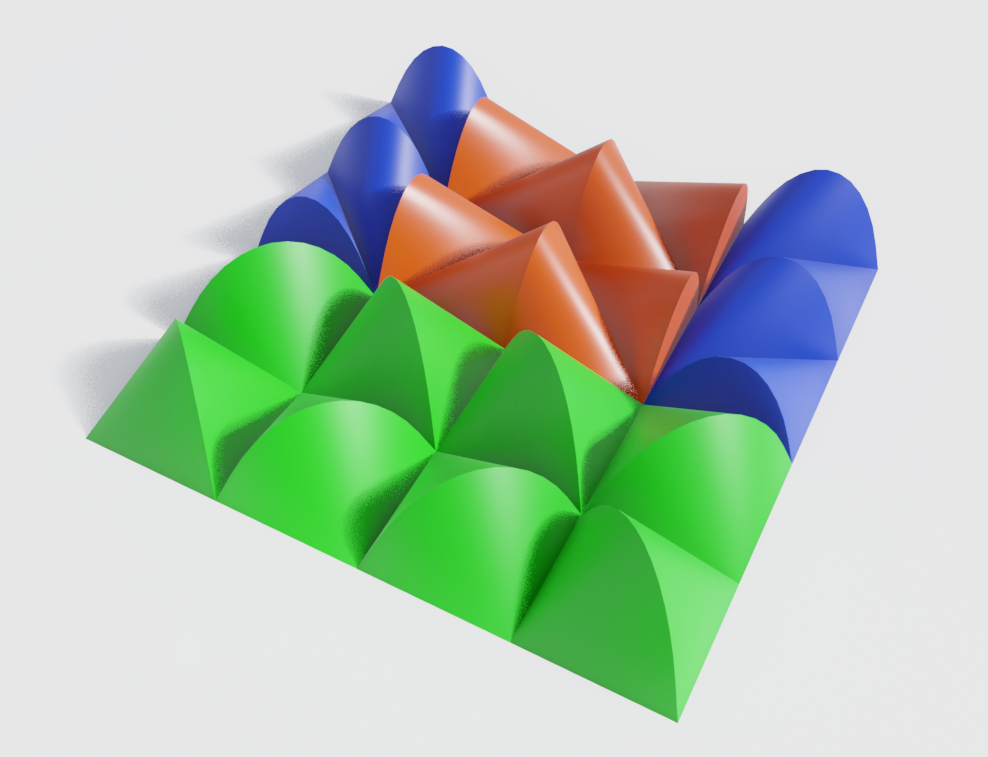
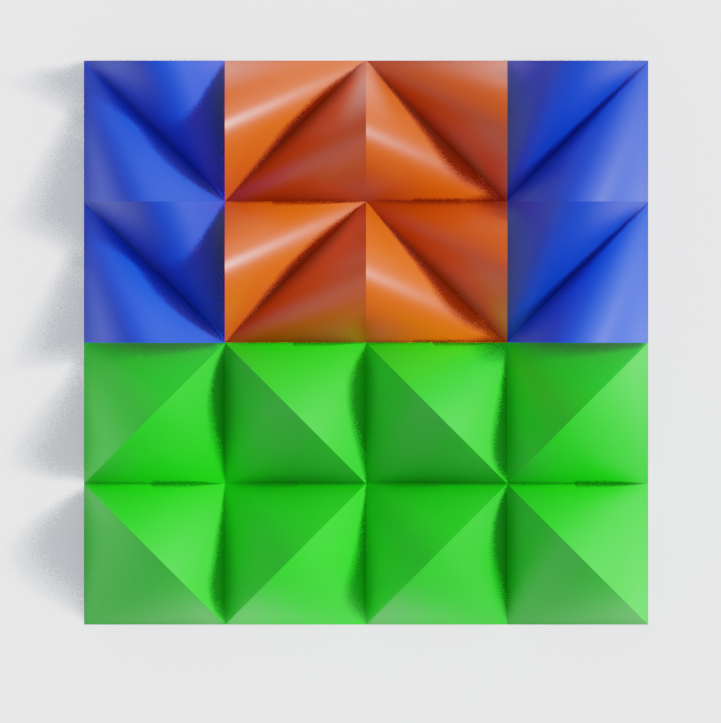
Anyone interested?
It helps me to adjust myself as well...
Oops, your profile's looking a bit empty! To help us tailor your experience, please fill in key details like your SketchUp version, skill level, operating system, and more. Update and save your info on your profile page today!
Check out Febhouse | New extensions for Shadow Analysis in SketchUp Download
 M
Offline
M
Offline
Posts
-
RE: Online watercolor workshops! Join me!
-
Online watercolor workshops! Join me!
I am going to teach watercolor paintings online ( and for free for a while at least) and will be more than happy to join.
As I have developed the whole process on my own (with ChatGpt help) it may need some later hustification and update due to your feedback.
Here is the website, you may followup workshops: https://sites.google.com/view/magicwatercolor/home
We will start on Jul 2, around 7:00 PM and you may join this Google Meet session via this link: Watercolor workshop start
Thursday, July 2 · 7:00 – 7:30pm
Time zone: Europe/Amsterdam
Google Meet joining info
Video call link: https://meet.google.com/vnj-gkgp-tsj -
RE: Need a Blender Community/Forum Recommendation (maybe BlendUcation)
I have no idea, as I learned it on my own, and @michaliszissiou did a great job, throwing me into the deep end of the pool in one session!
I had only one online session with him about sculpting! and it let me go beyond my fears as I saw how easily he works with it!
Now I may do a similar job, just let me know if you're interested ( it will be for free, as he did the same)Also why not using Su Make (2007 I guess ) version?
-
RE: Right triangles as toys
@mike-amos Thanks for constructive feedback.
@b2pi Let me know how I may share the file, plz? -
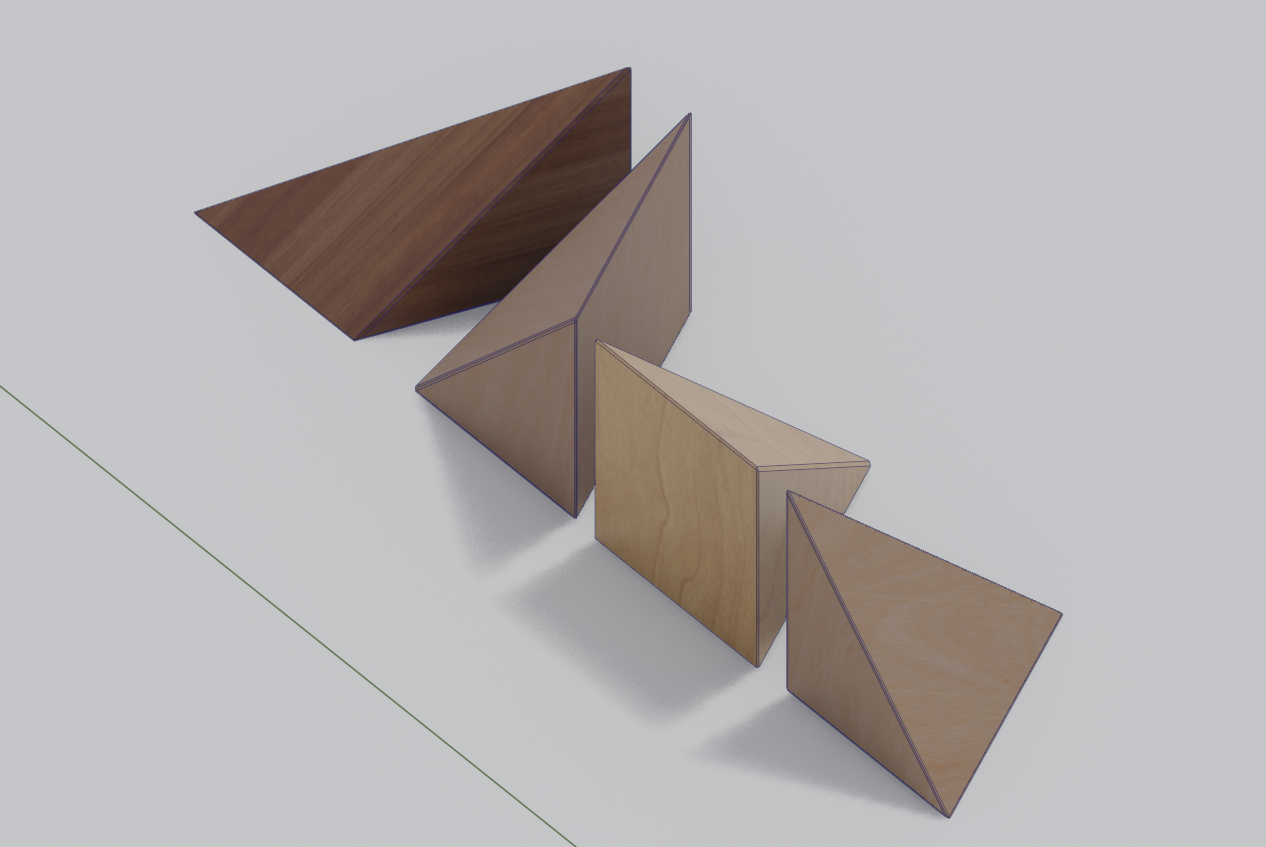
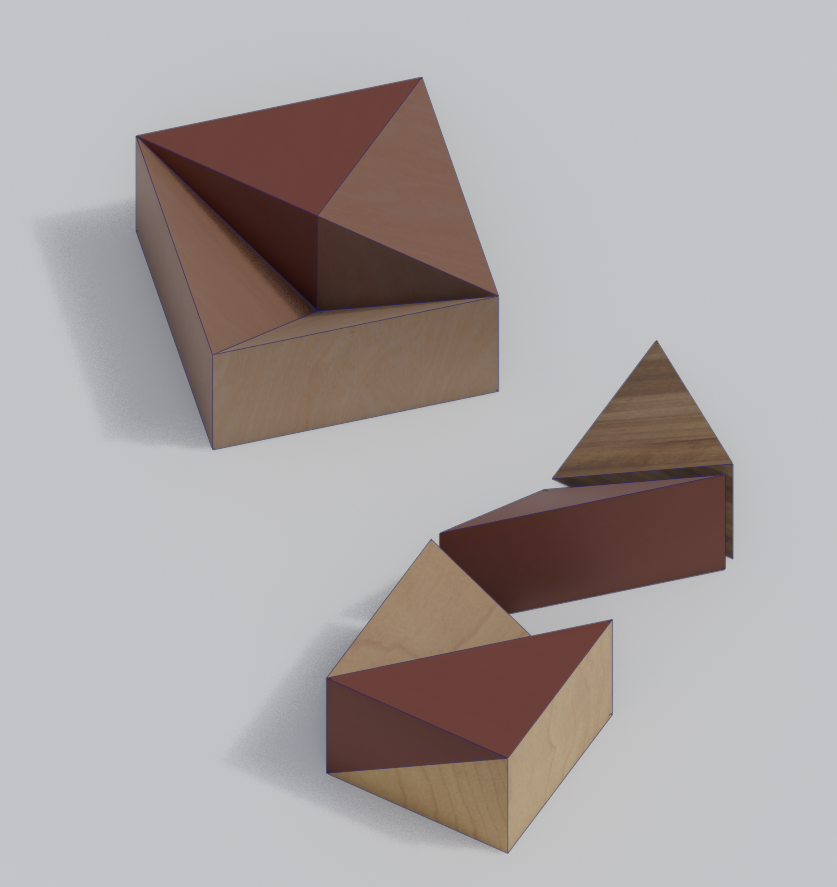
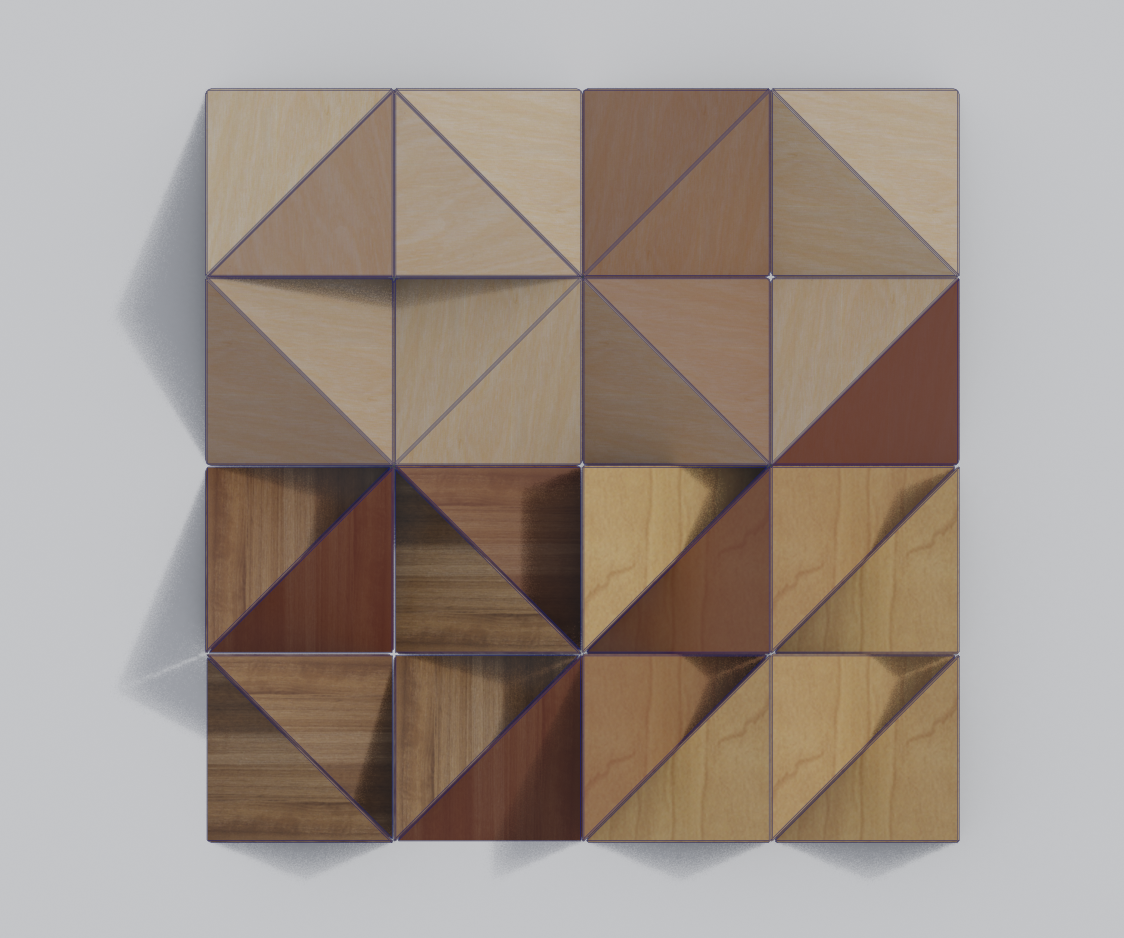
Right triangles as toys
Inspired by NAEF toys and the base logic of my "Skybound Structures" , tried to develop a few components with many compositions:
https://www.naefspiele.ch/en/home/
It could be 3 or 4 components/pieces.
Your feedback is invaluable to me!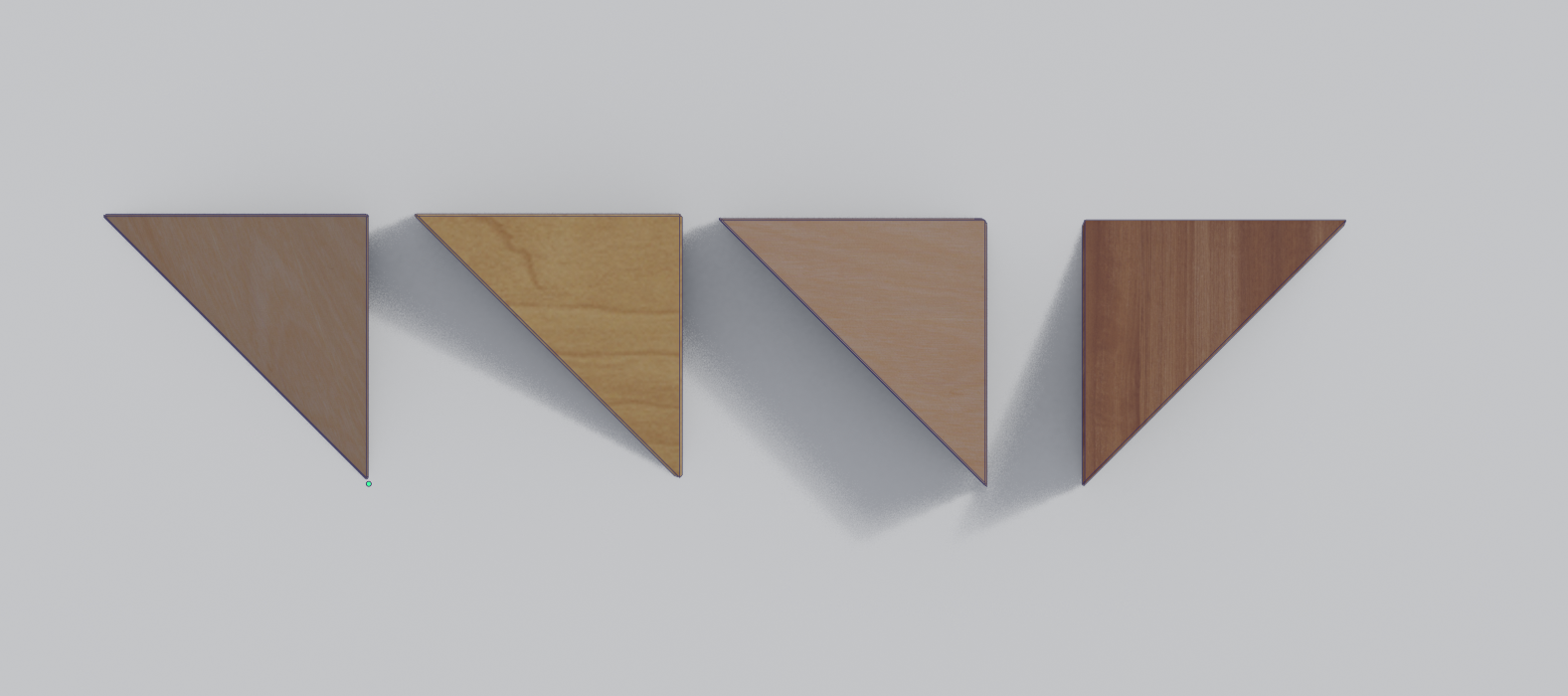
-
RE: Modelling a tramway
These are fantastic. I think I've missed something: How do you make your models so realistic in renders?
-
Hippo3D, Cad workflow inside the Blender 3D
Just saw the very early release of Hippo3D. What the developer claims seems very promising. :
Free and Open Source Modeling Tools for Designers
CAD-style workflows for Blender
link text

-
RE: Message from Majid
Taaa mates! Let's hope for a more peaceful world for our family/children.
It seems that the severe blockage persists for many websites, including university websites. While searching for any relevant PhD/research/job positions, I thought I might ask to have my CV and Portfolio shared within your network, please.
Here is the link to a folder where I uploaded my documents:
https://drive.google.com/drive/folders/1QwVOqOP-u2oY_4b3AOdaFjKZoYeymvkX?usp=sharing
or:
Feb 14.zip -
RE: Message from Majid
Lets hope for a better world where no ideology takes over people...
-
RE: Message from Majid
Hello everybody, and thank you, Thomas, for the topic.
So many horrible things, I believe you all know, nothing to nag though; So many good friends here (my friends -all around the planet- are my real asset, to be honest), no close family member was shot nor arrested (a few extended family members arrested temporarily, brother of my friend, executed accused of betraying)... we are doing "fine", and the internet is somehow back....
P.s:. just corrected some typos, it seems internet access is getting better. -
RE: Thinking of our Majid today
@L-i-am believers have killed more, harsher and waster....Take WWI-II , Azteks , Muslims... i.e. Ideology is a powerful tool for manipulating minds not to see the truth/reality. Making a paradise in heaven=making a hell on the earth... Let's pray for stepping out of it to a world where logic and mutual respect define freedom.
-
RE: Thinking of our Majid today
It seems Iran (rejim) will soon face the music; this way, they will feel what it is like to be defenseless! This would be the finish point to a chapter of history! Let's see and hope to meet in a free Iran!
I appreciate all good memories, help, support... You made here... -
RE: Reviving timber constructions.
Thanks for your feedback. I will develop the idea and share more soon.
-
Reviving timber constructions.
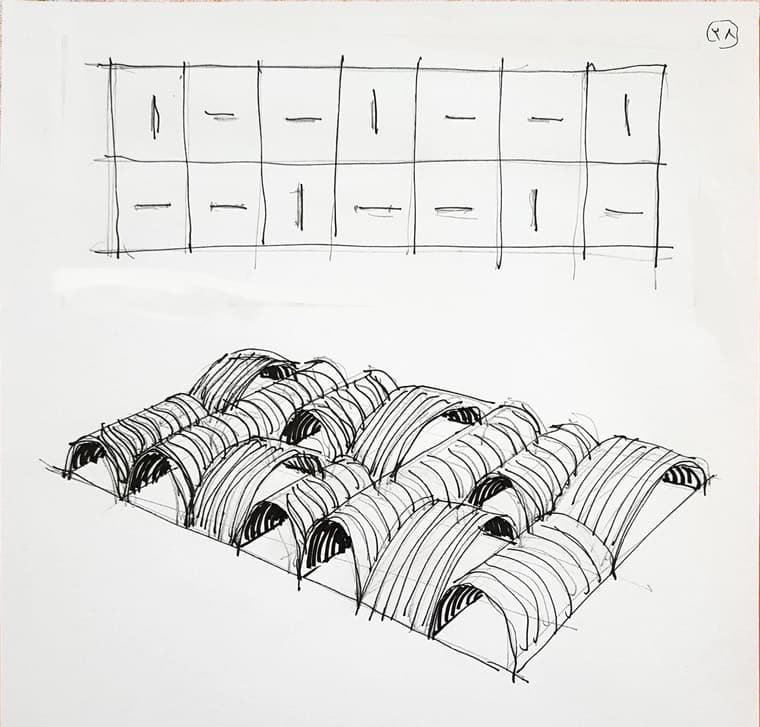
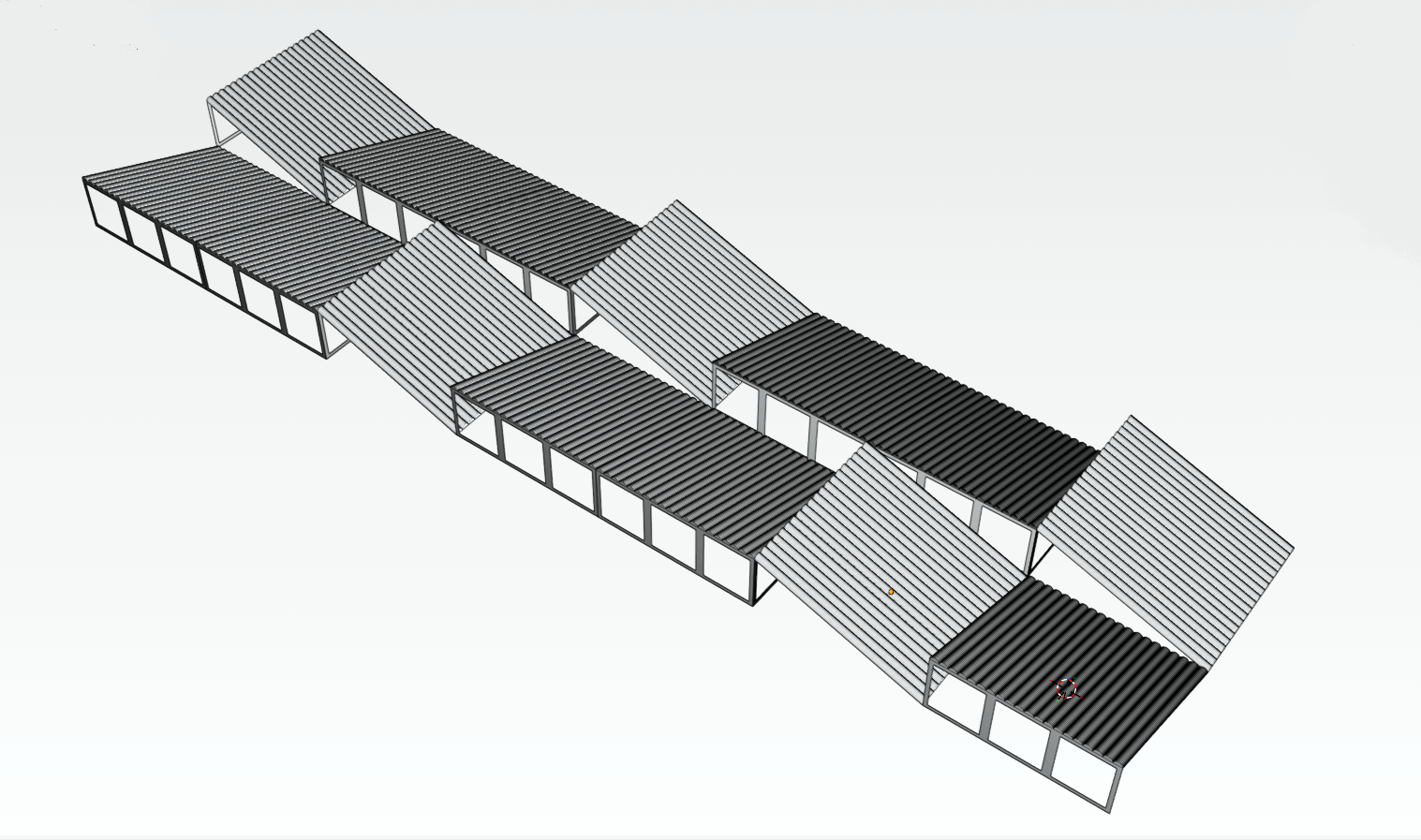
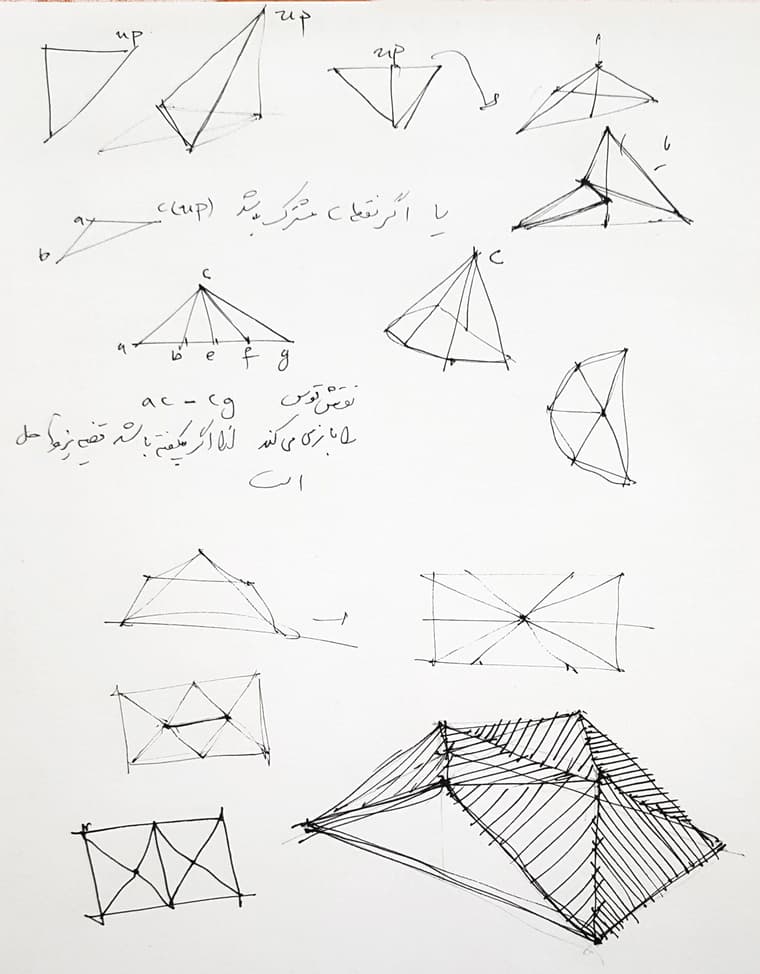
It has been some time since I have been busy with a revitalizing approach to the arched and vaulted structures, reimagining them in contemporary or future contexts. I think the same process is applicable in timber roofs as well, and here is the process I go for (reviving the system):
Simplifying the question (system) and breaking it down to aspects,
evaluating those aspects and their relations (validating the system),
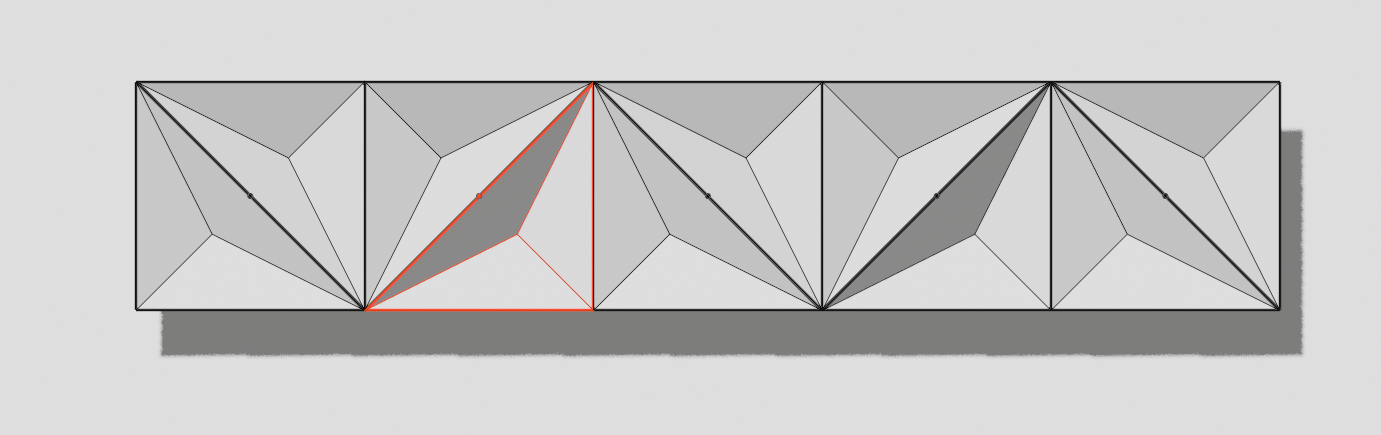
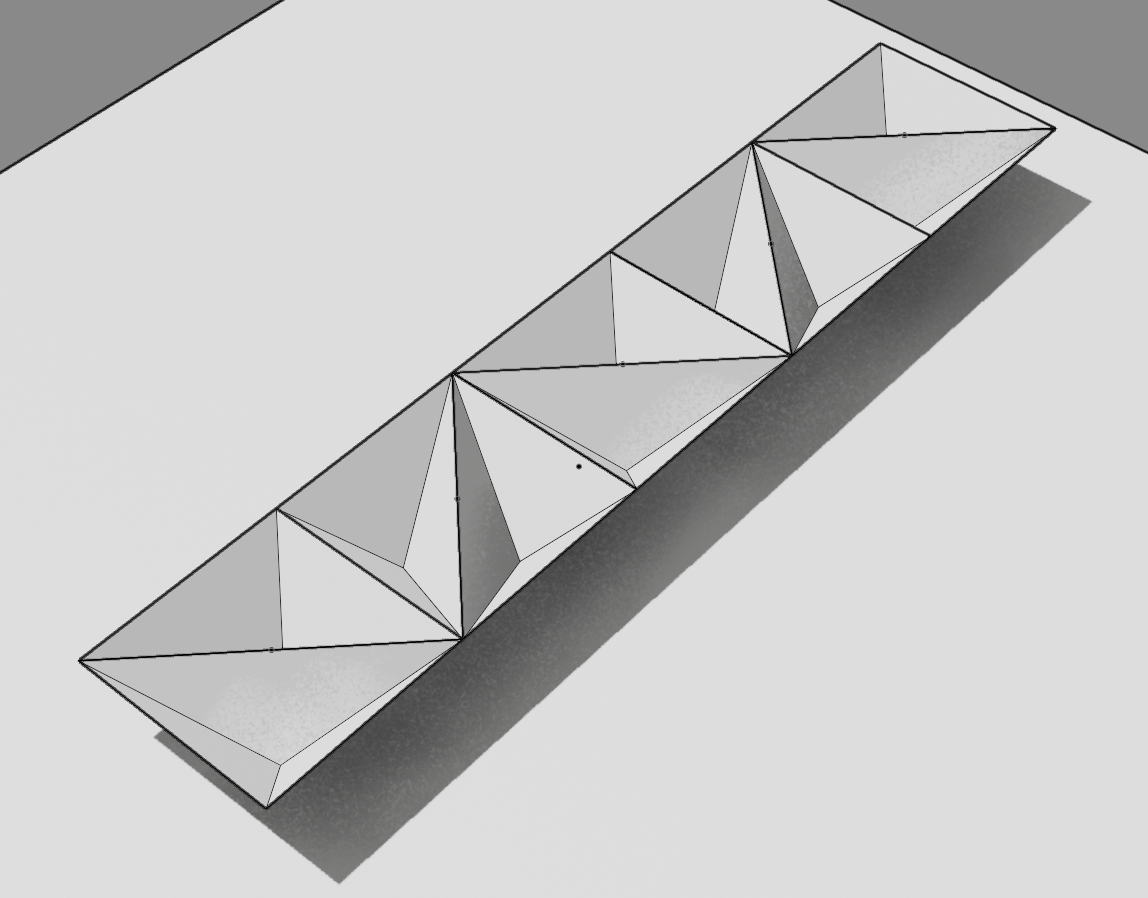
reimagining them based on the previous steps.One of the core concepts of the roof question (IMO) is to break down a wide gap into smaller spans. The other is to break it into triangles and rectangles and cover those shapes. There are specific "types" of roofs, and they combine in "specific" grammar.
There is a mainstream tradition regarding the latter question, and here lies my answer: what if we think differently and combine the "types" in a different "grammar"?
Arches and timber roofs share a very similar approach to span the gap as a roofing system, which is why I strongly believe these steps apply to timber structures as well. We can revive those "specific" types and their "grammar" to reach novel combinations.
Here is a glimpse of the idea (pattern) I follow.
Please leave your comments and let me know if any description is needed.
(Can you see the logic shared in the first two images and follow the logic behind the rest?)
-
RE: A,B, Sketches
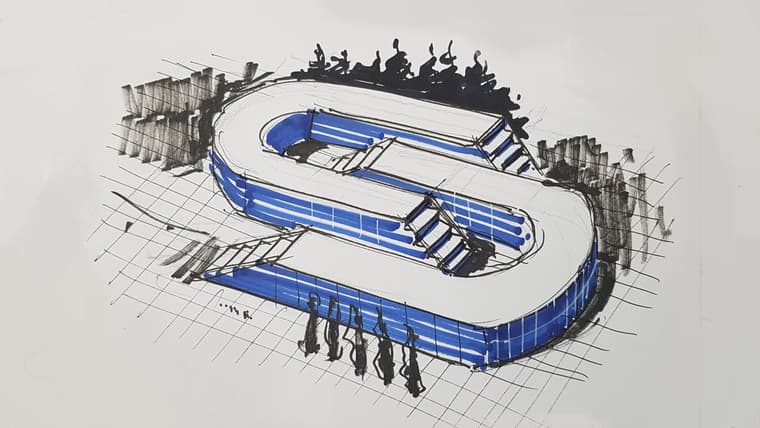
somehow similar to this:
https://www.german-architects.com/images/Projects/92/03/99/9fcc62d284ae4866ab3ac38f35b5d3a9/9fcc62d284ae4866ab3ac38f35b5d3a9.6e7b65d0.jpg?1493370410
and this other C :
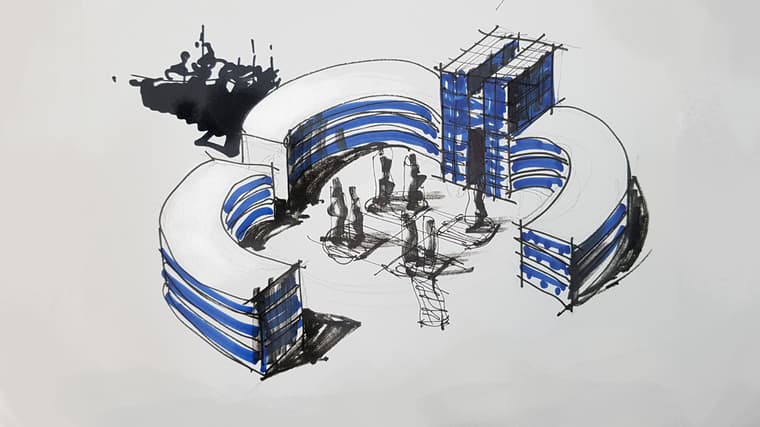
-
RE: A,B, Sketches
I polished some of old sketches. These ones are the letter "C":
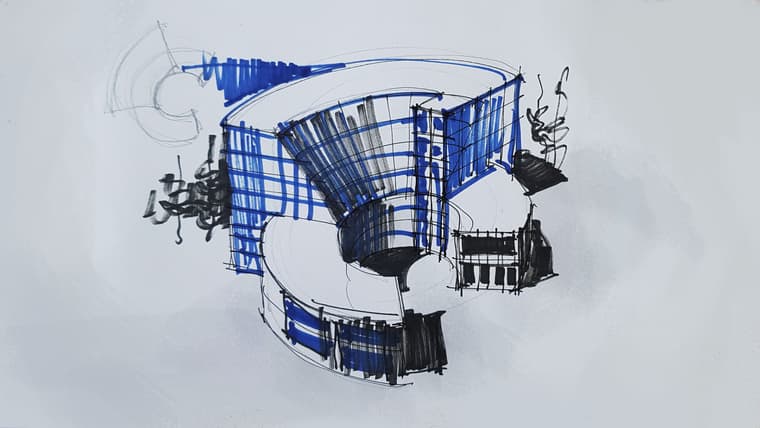
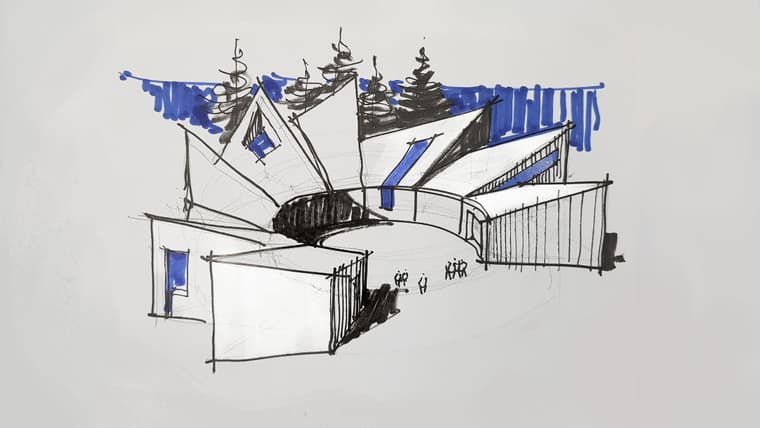
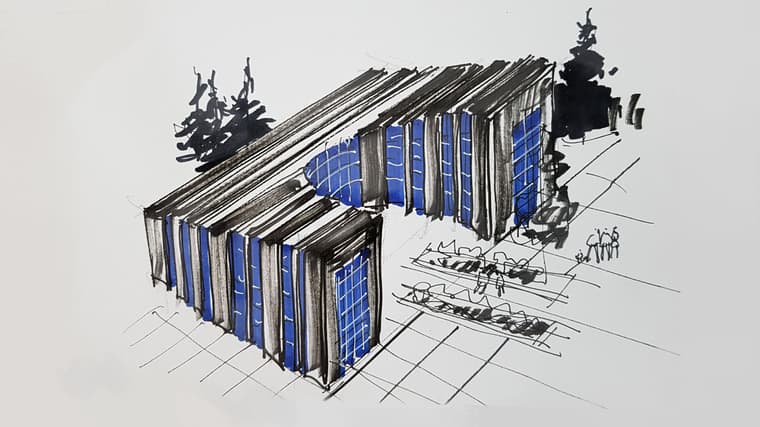
-
RE: Thinking of our Majid today
@MtnArch
I hope D. Trump makes the best decision, not wasting time and money. Iran ( I mean people of, not this governing bullshit apocalyptic ideology ) could be one of the best allies of the US and EU.
Otherwise, it turns into another North Korea...
Also, I hope to have the chance to relocate to the eminent land of the US. My situation is slightly better than your architect fellow . I know a bit of English and am a fast learner to get the hang of wooden structures
  , hopefully.
P.S. The Internet is still unstable, so I may not be able to reach out regularly.
-
RE: Its been a while, dusting off Sketchup for fun
Wireframe plz.. any description of the process?
-
RE: Beauties of Iran (other face of Iran)
Thanks @tig , thaks a million. I hope everything goes smoothly. I think world/EU has no more space for another wave of migrants/asylum seekers.