Architecture question
-
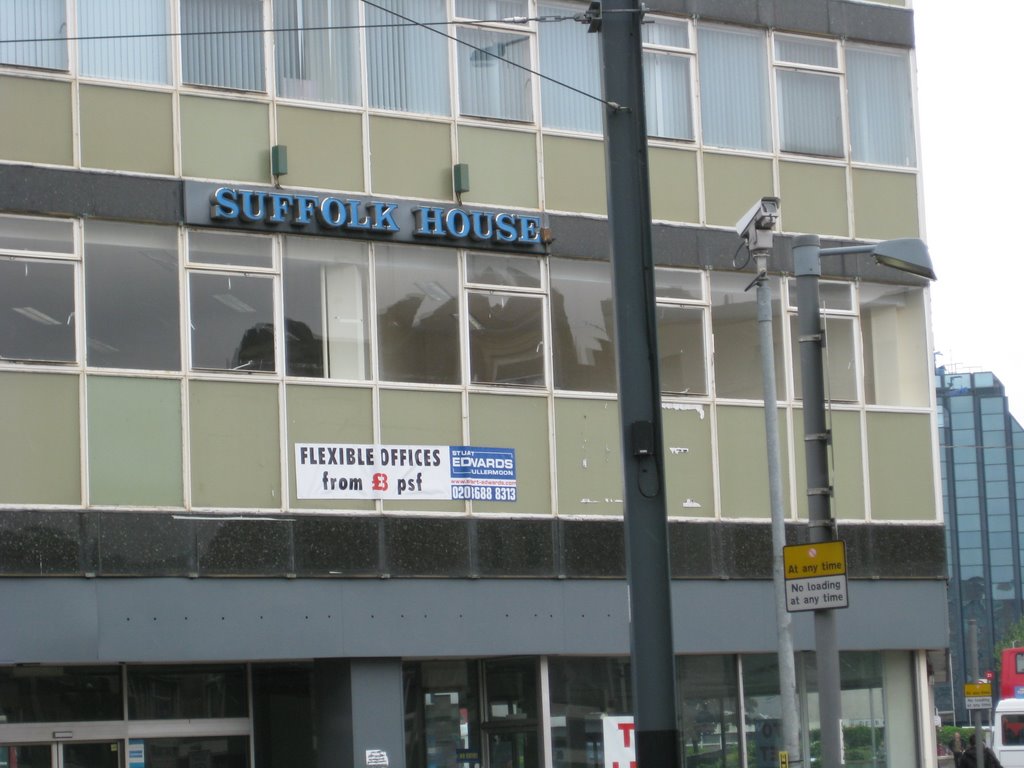
Below is a photograph of a building in, I believe, Croydon, UK. Typical British 60s stuff. Now, I was wondering, what would the window frames be made of? Painted wood? Or painted metal? And the olive greeen, er, spandrels? Some sort of composite material?
-
Looks like they are metal frames: steel W20 [just perhaps W30].
http://www.steel-window-association.co.uk/productsPainted, or powder-coated if as late as the 1980s.
Likely to be single-glazed W20 ?
Just possibly aluminum, but unlikely.
The opaque colored 'spandrel' panels would probably have been armour-clad glass - specially painted on the back in various colors.
https://www.pilkington.com/en-gb/uk/products/product-categories/decoration/pilkington-spandrel-glass -
Thanks, TIG!
-
The frames look like natural anodized aluminum extrusions to me. The spandrels could be glass as TIG suggests, or they could be a "honeycombed core" painted aluminum panel. I cannot speak about construction in the UK, but the aluminum curtain wall system was wildly popular in the US throughout the 60s.
-
Thx.

-
A lot of cheap offices in the UK were made with the galvanized steel W20 single-glazing system up until the early 1980s, although by then powder-coating rather than painting was becoming more common.
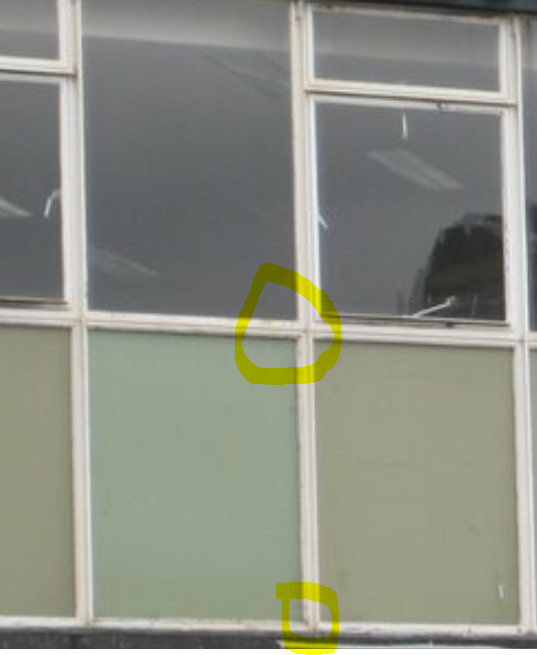
I think the clues are in the central farming profile used to join the parts, and the rust staining at junctions.I'm pretty sure about the glass spandrels - it looks like a standard gray-green - perhaps bleached by the sun over the decades ?
-
Thanks again, TIG. Thanks for the link also.



Hello! It looks like you're interested in this conversation, but you don't have an account yet.
Getting fed up of having to scroll through the same posts each visit? When you register for an account, you'll always come back to exactly where you were before, and choose to be notified of new replies (either via email, or push notification). You'll also be able to save bookmarks and upvote posts to show your appreciation to other community members.
With your input, this post could be even better 💗
Register Login


Advertisement