Orgelf's works. second topic.
-
Bestiale!
-
@panixia
 Yes as war itself.
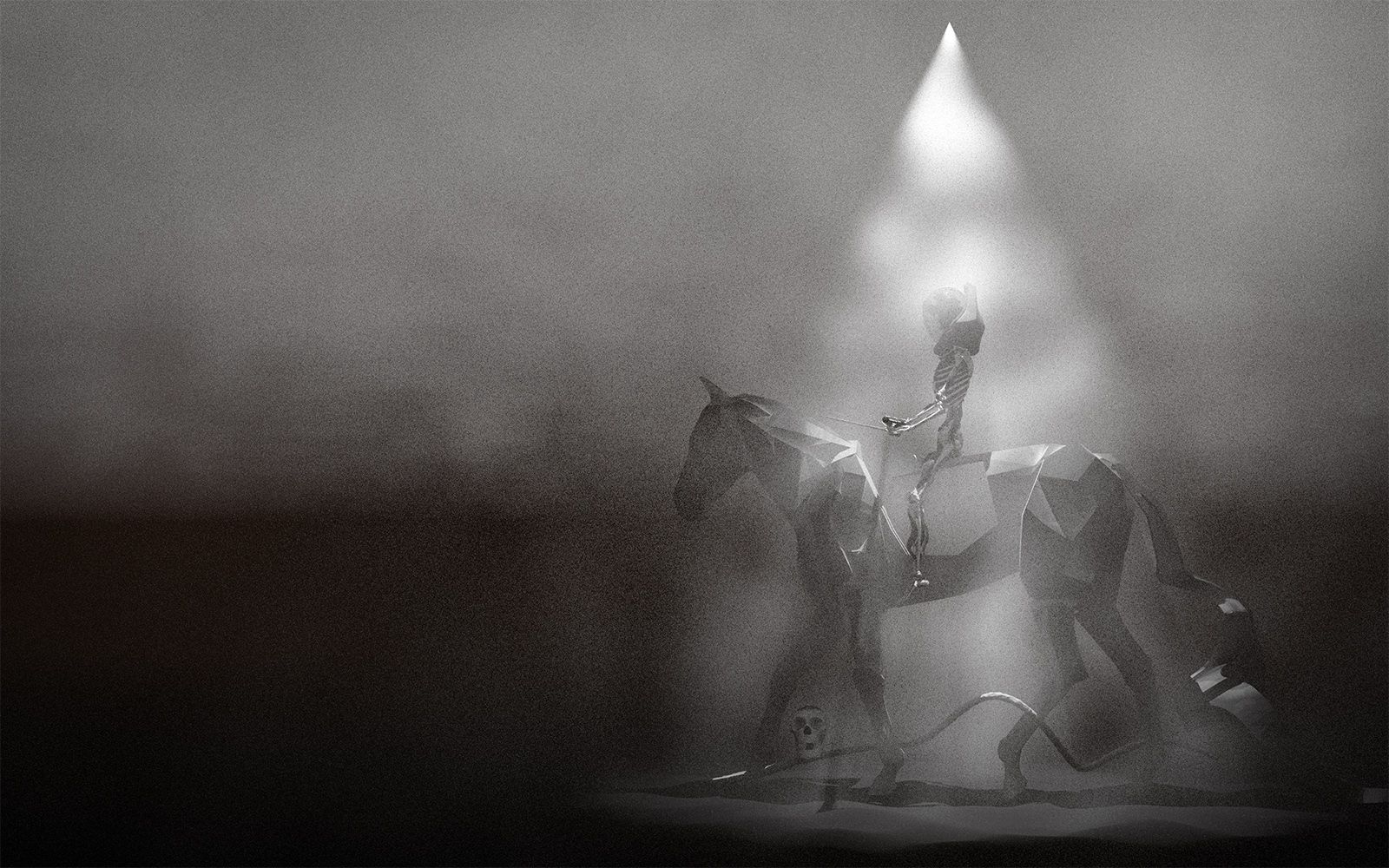
Image 1 larger on this link https://zupimages.net/up/26/18/cu6v.jpg
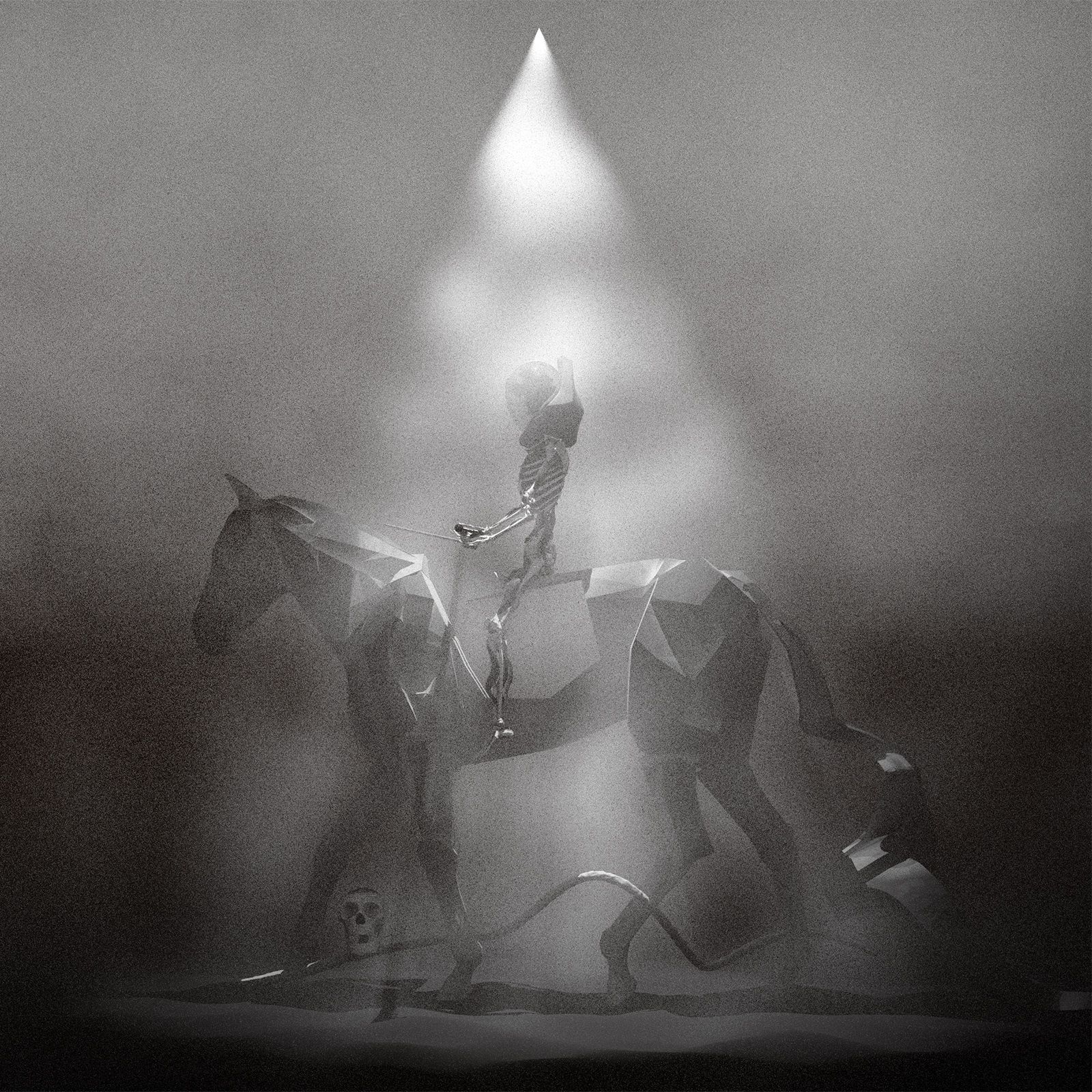
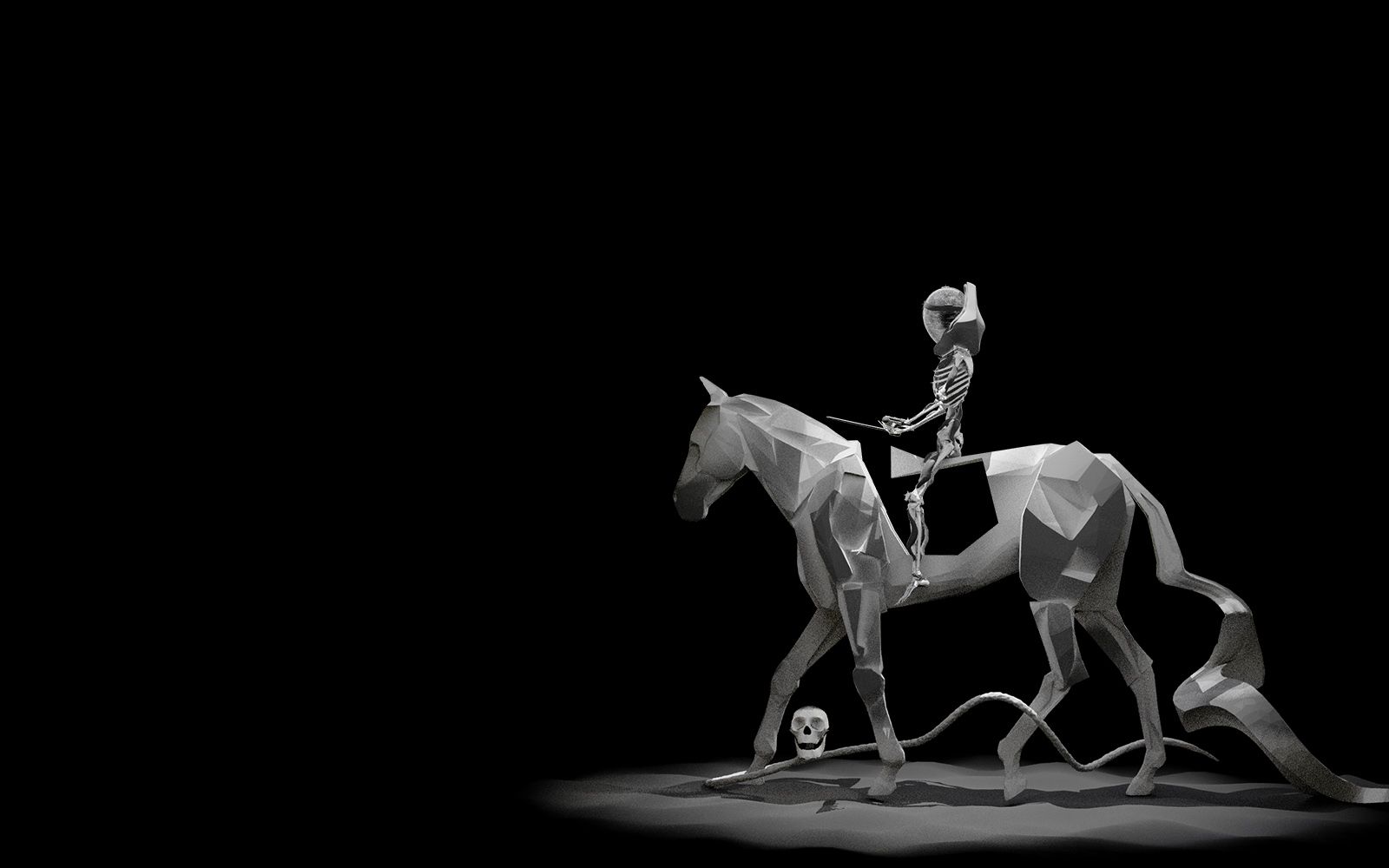
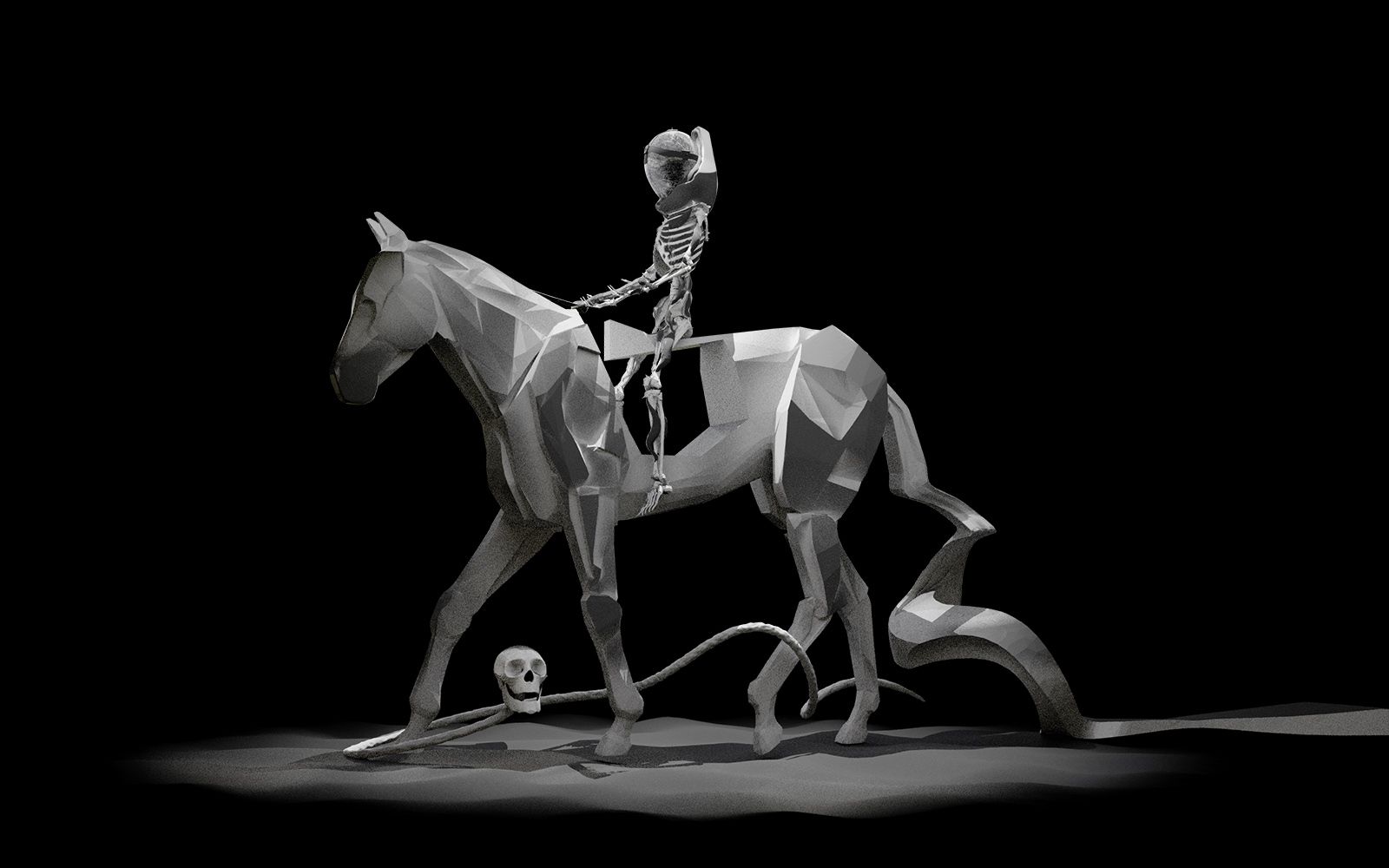
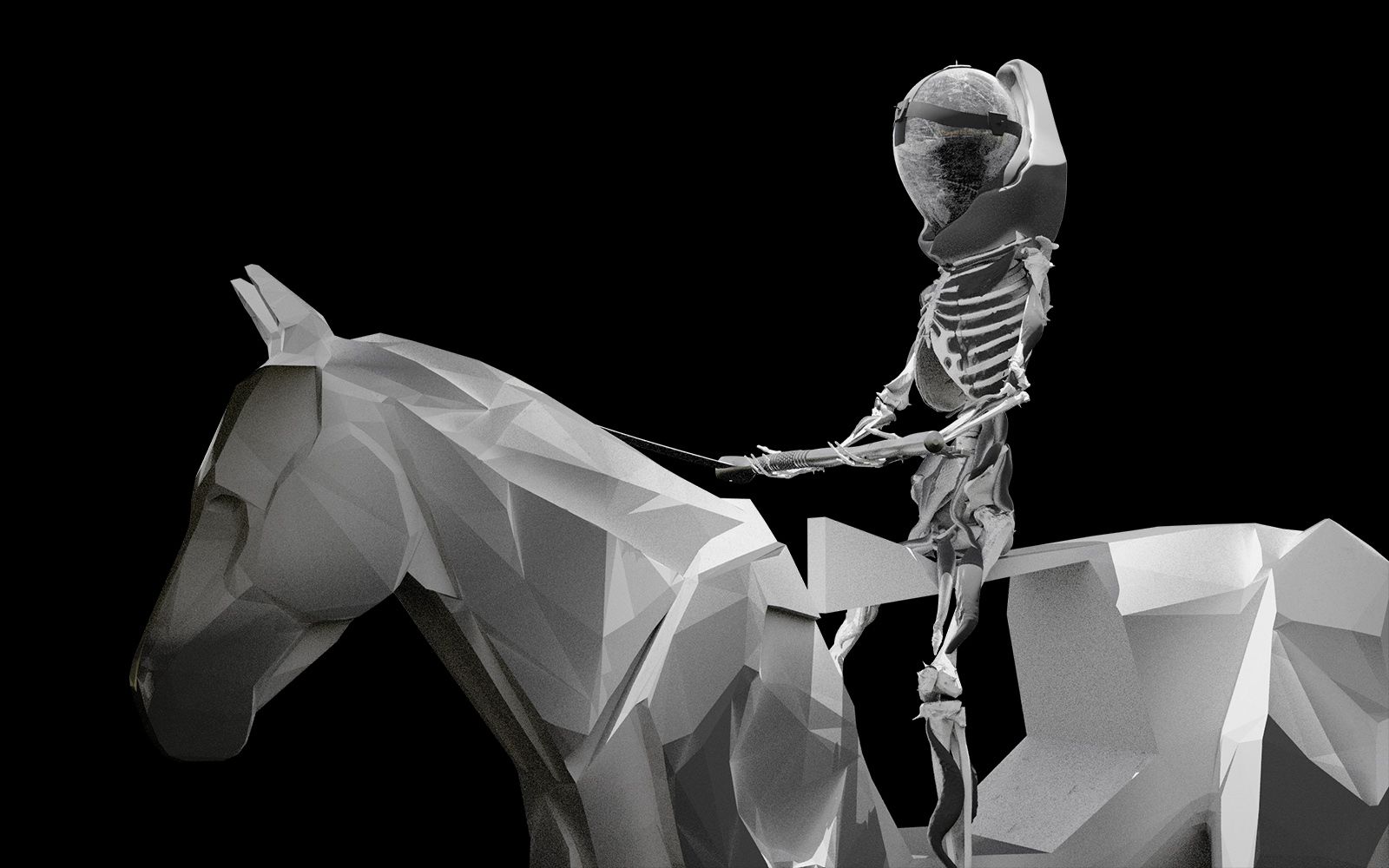
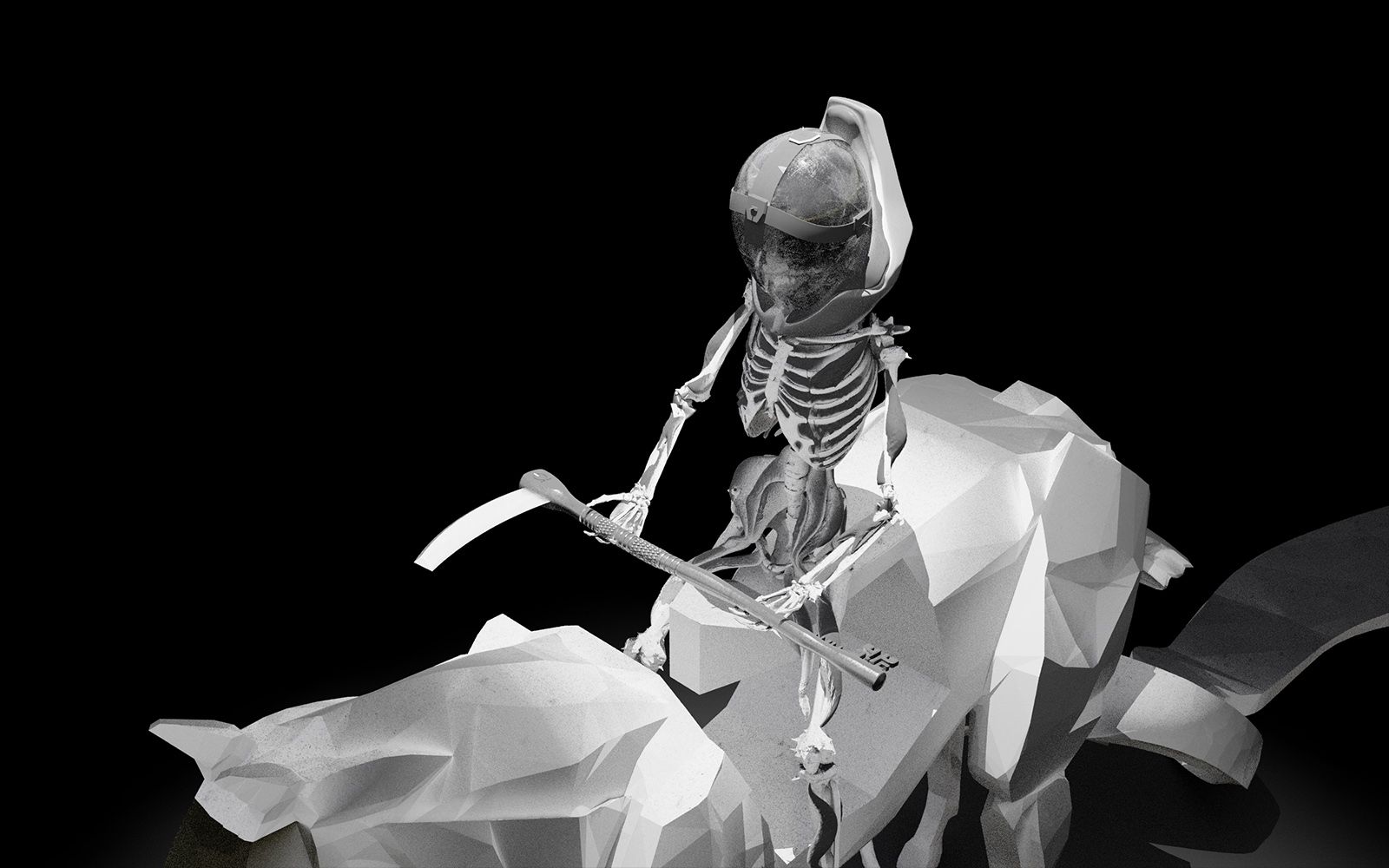
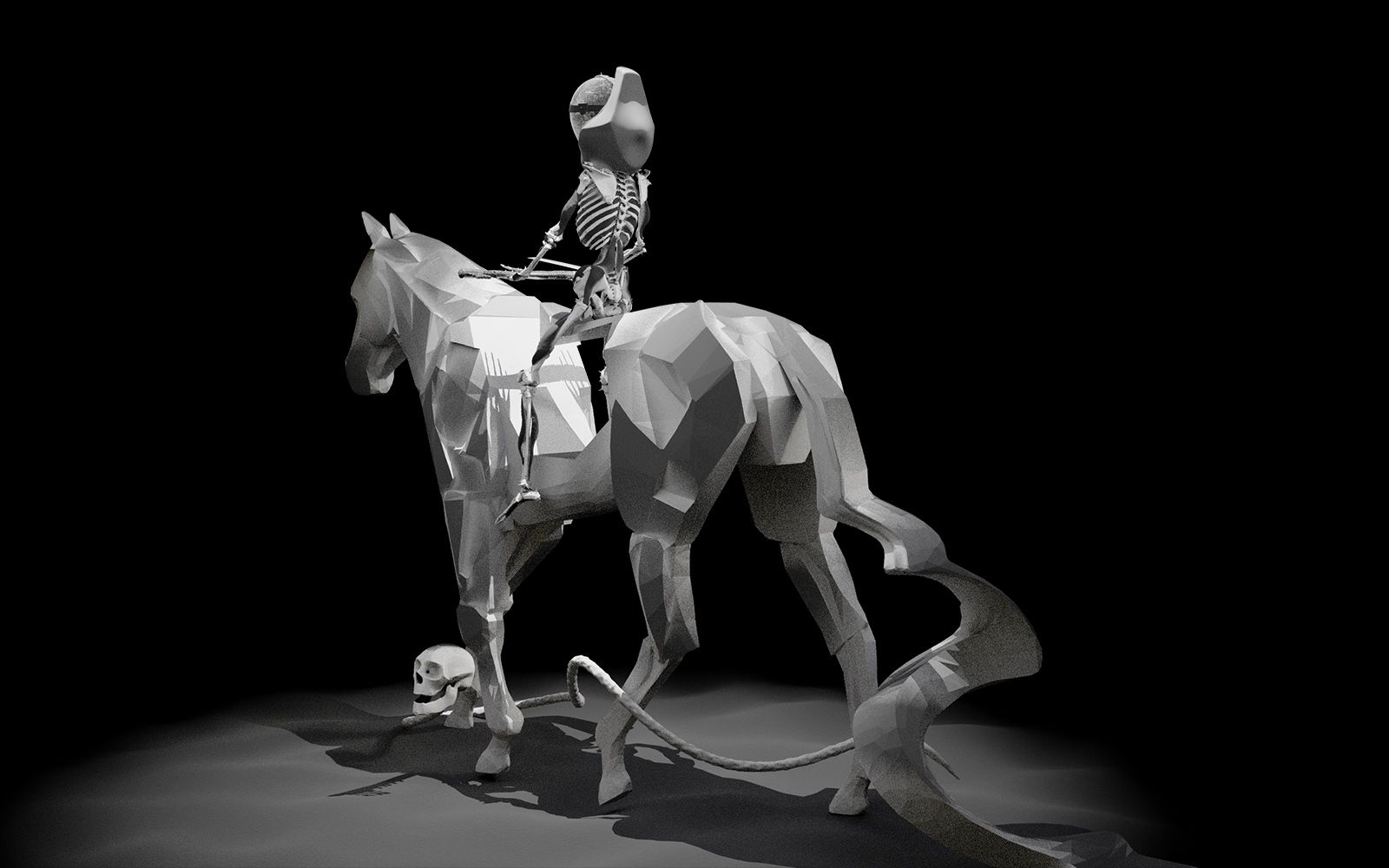
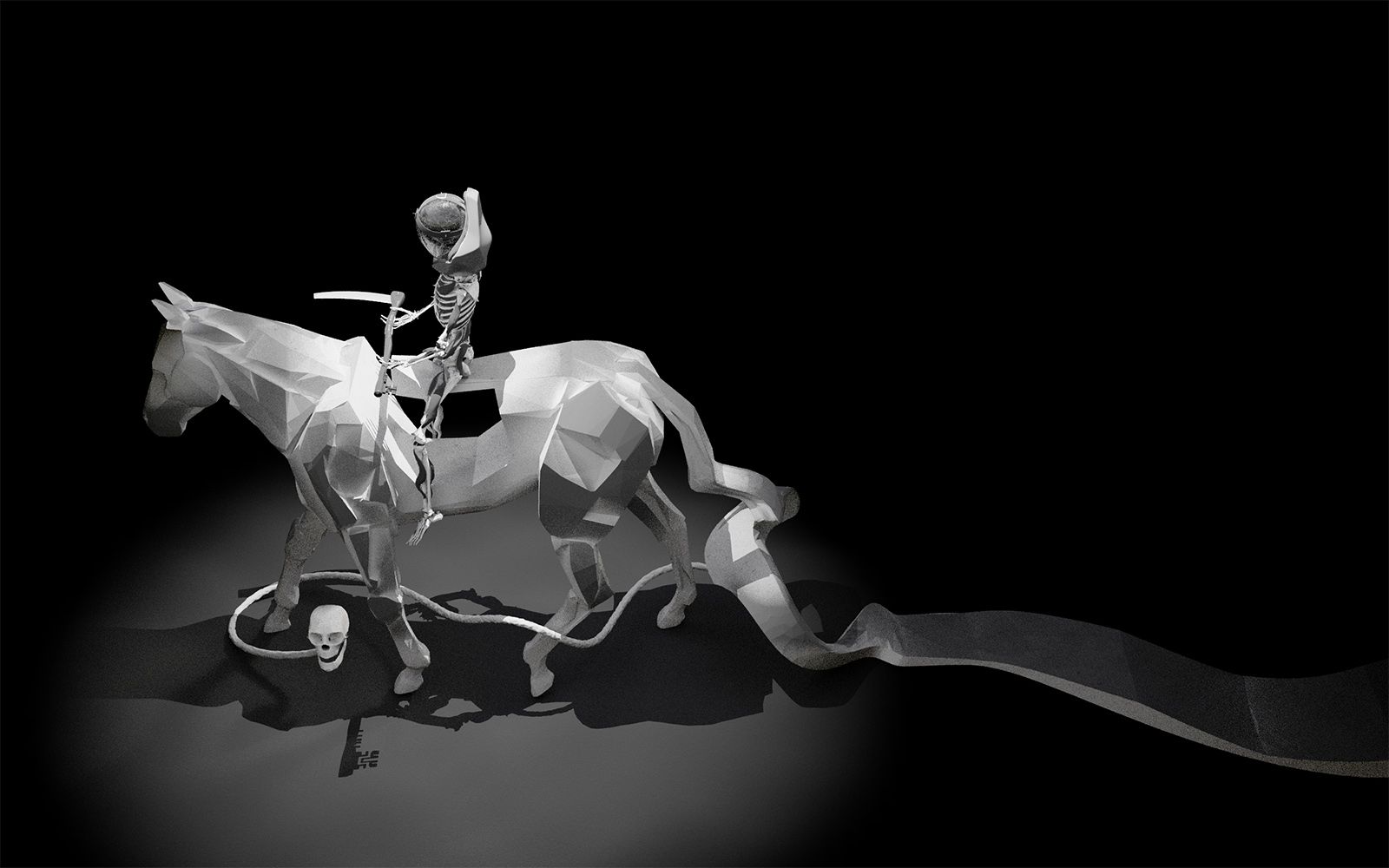
Here is my representation of the Horseman of the Apocalypse: Death.
The image is deliberately in black and white. Colour belongs to the living. Here, everything is already fading. The smoky environment is not a setting but a zone of indeterminacy: the moment of passage. Death does not last. Unlike the other three horsemen — famine, pestilence and war — which are inscribed in time, Death is a point. A tipping point. And yet, it is the most powerful.
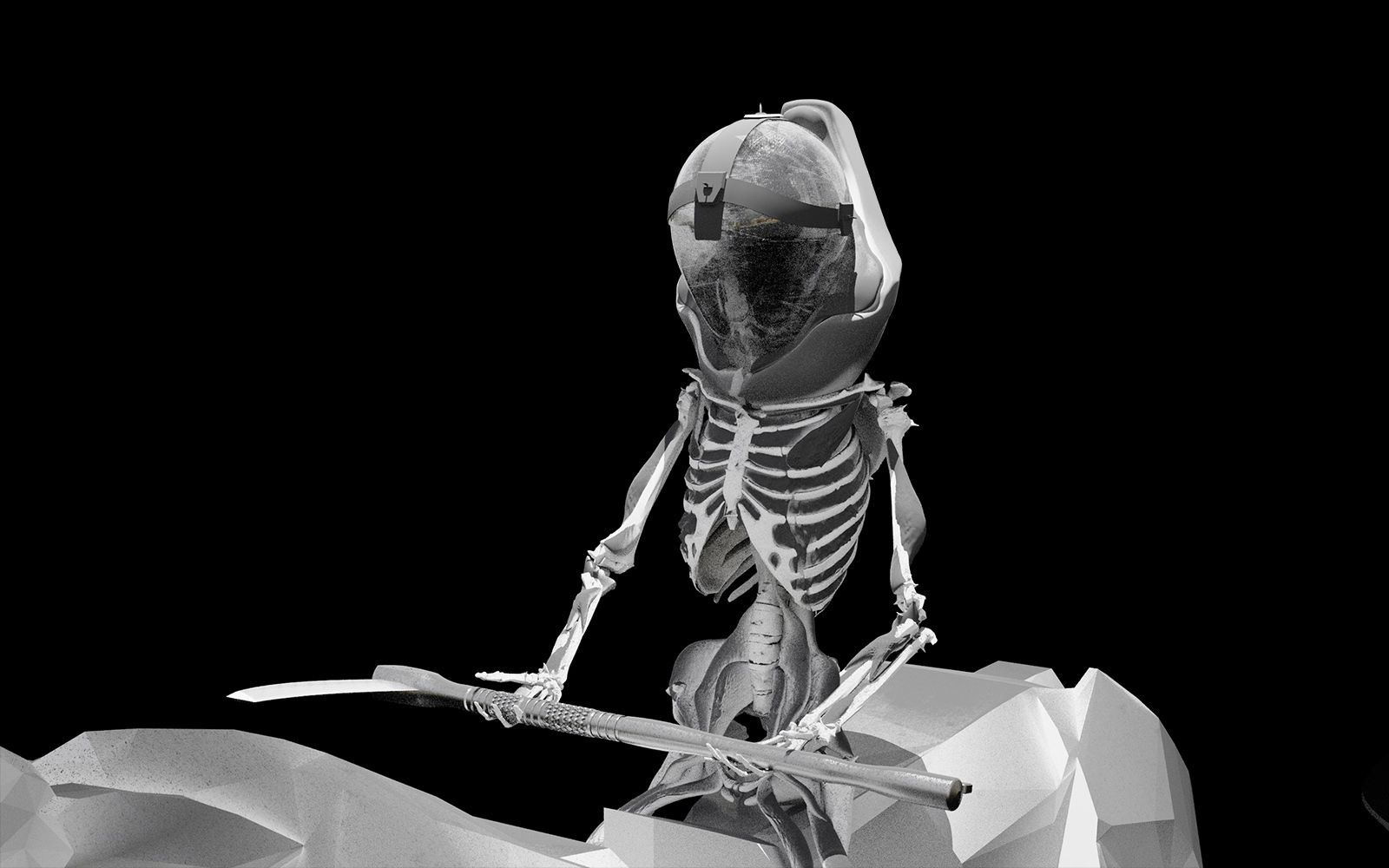
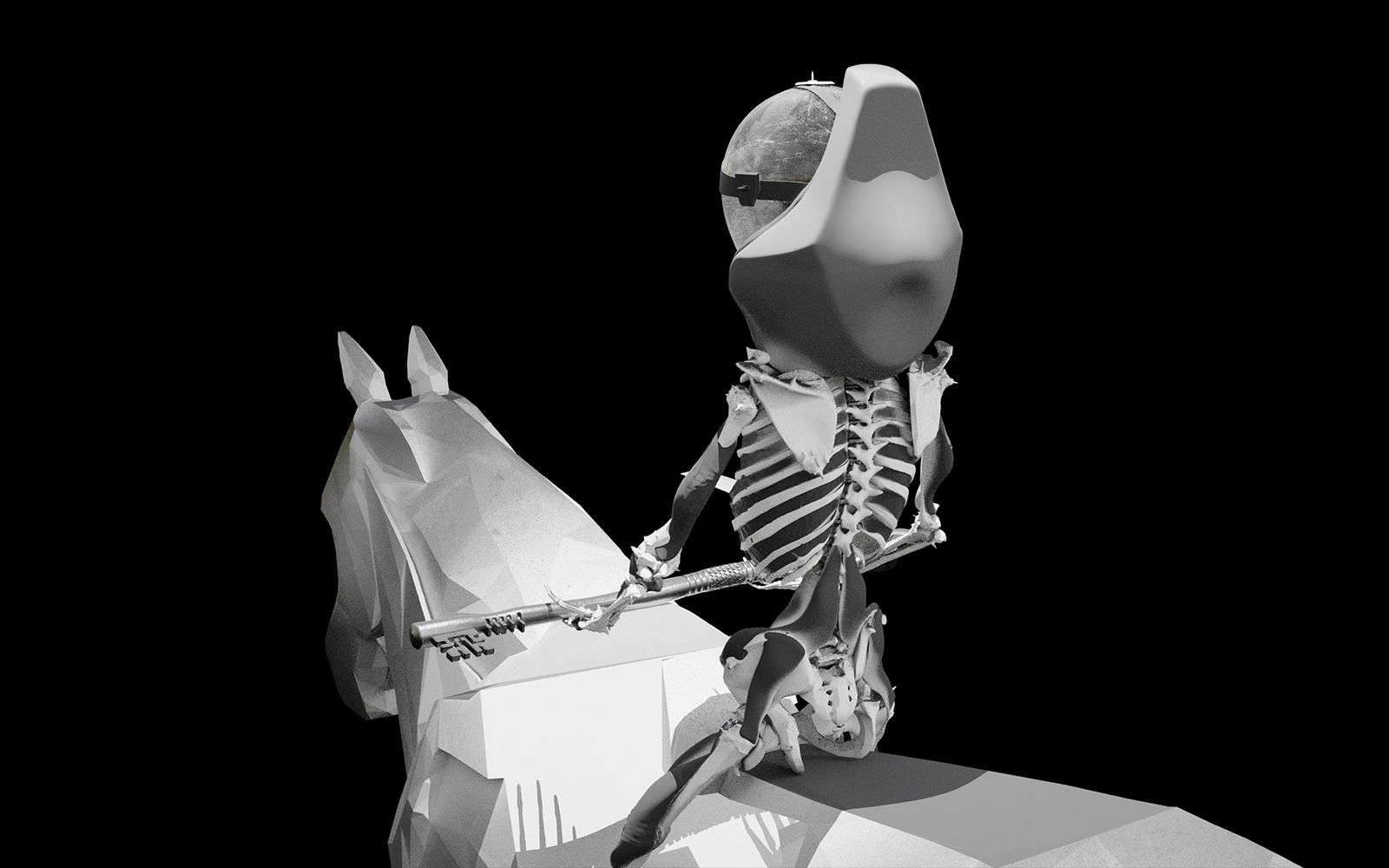
The rider himself remains enigmatic. Flayed, without an identifiable head, he may not be Death, but only its vector. We think we see Death approaching, but we never really know it.
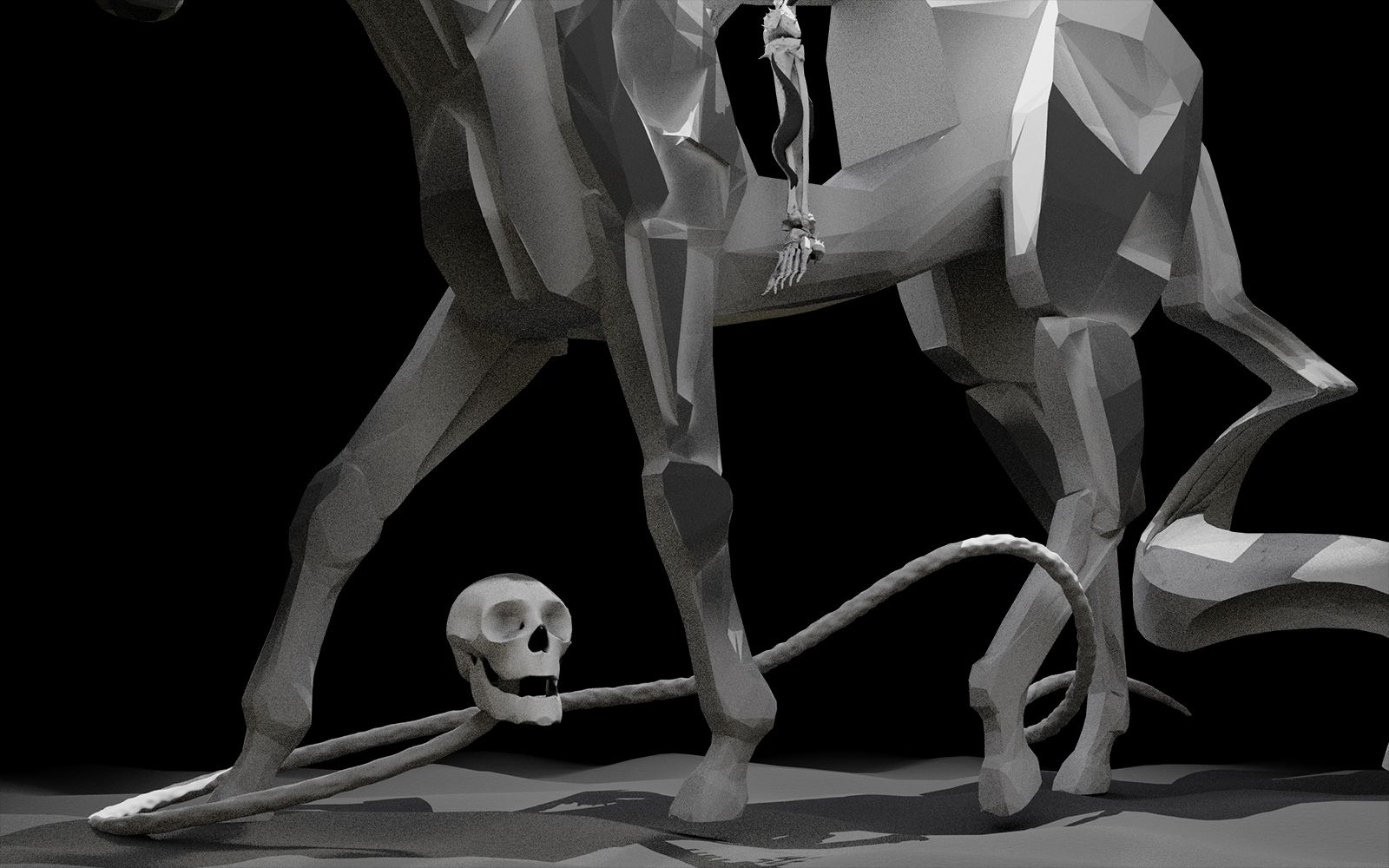
Beneath the horse winds another presence: an umbilical cord attached to a skull. This creature, both organic and macabre, could be the real Death. It evokes a continuity between birth and disappearance, like an uninterrupted flow rather than an isolated event.
This idea originated in a visit to the Poggi Museum in Bologna. In the room of the flayed, the anatomy exposed in its brutality served as a direct reference for the body of the rider. In the next room, representations of uterus and foetuses, as well as a glass object depicting a pregnant uterus resting on truncated legs, triggered another lead: that of death as a reverse birth. This item became the base of the rider's helmet. The legs have been removed to keep only the essential shape, transformed into a closed helmet.
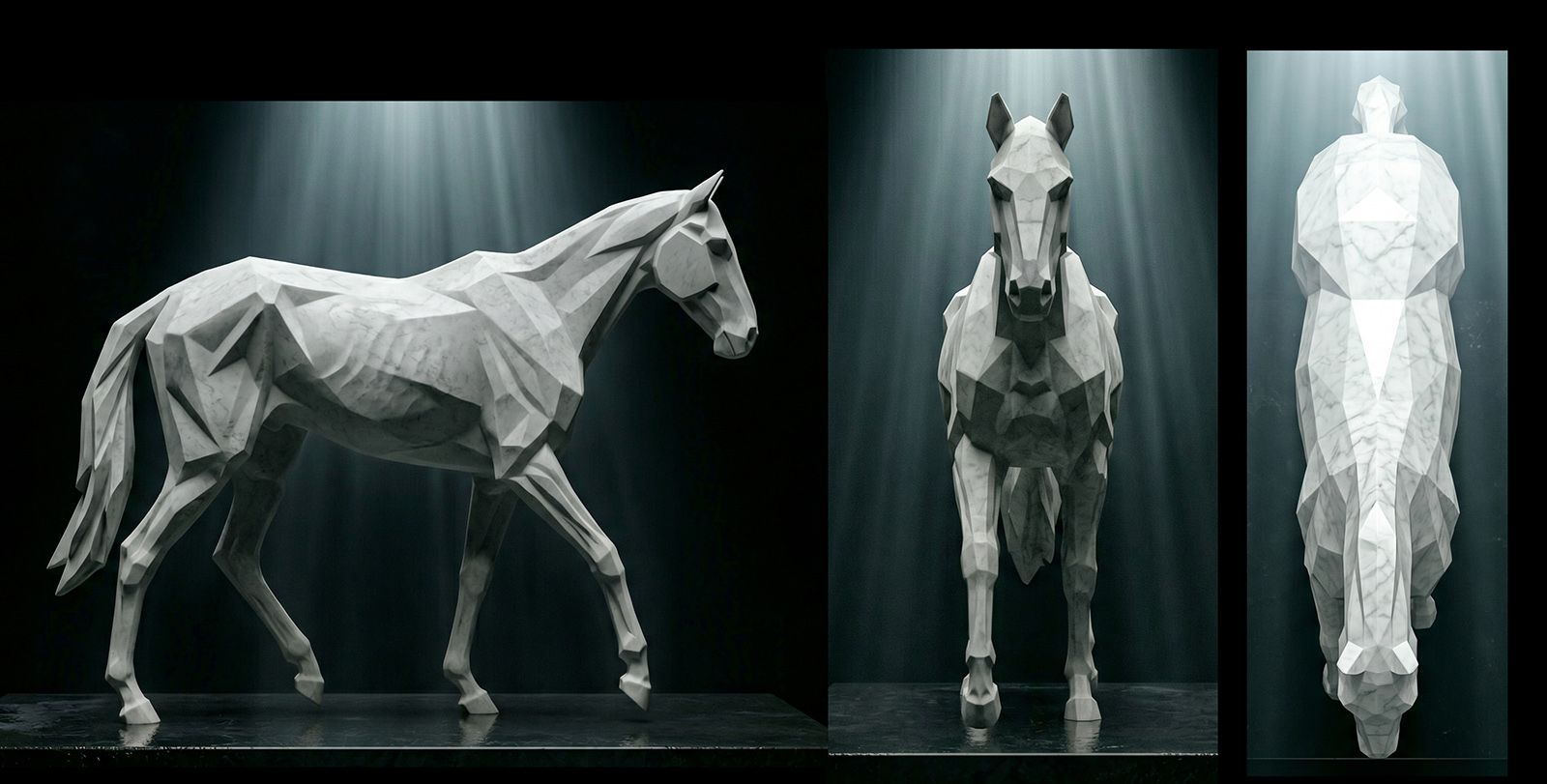
The saddle has been voluntarily removed. I ruled out the option of a decorated saddle, too legible, and that of a shroud-type fabric, too expected. Instead, a simple hollow in the frame. This accentuates the strangeness and transforms the horse into a support, almost an object.
The horse itself is treated minimally. Its tail disappears into the shadows — the past — to suggest that Death has been present from the beginning. Her head is partially engulfed in darkness: it is not known where she is going, or who will be hit next.
Above the rider, a cone of light cuts through the scene. It can be interpreted as a divine presence. If God exists in this image, he is perhaps the only one who knows what Death really is and what his purposes are.
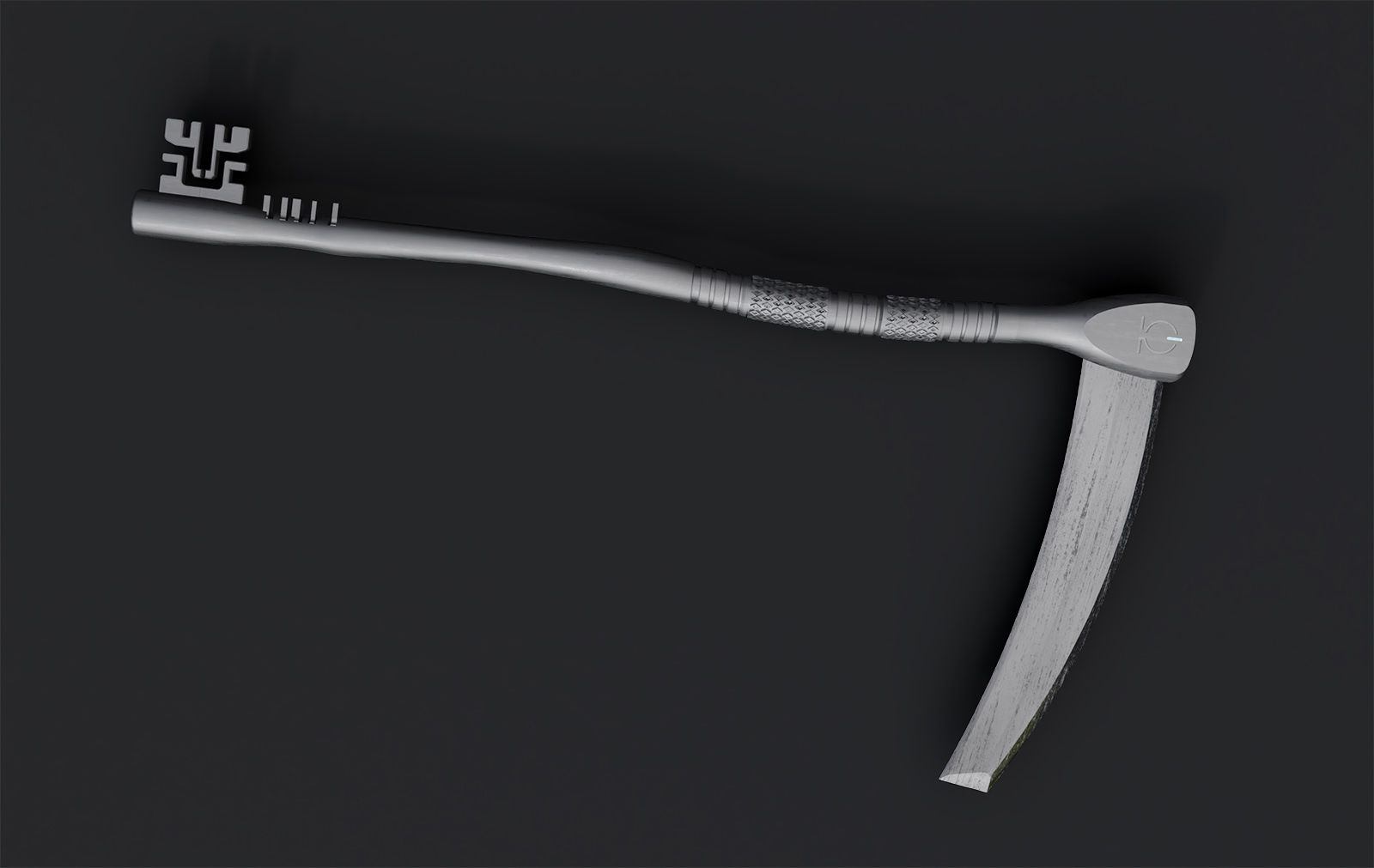
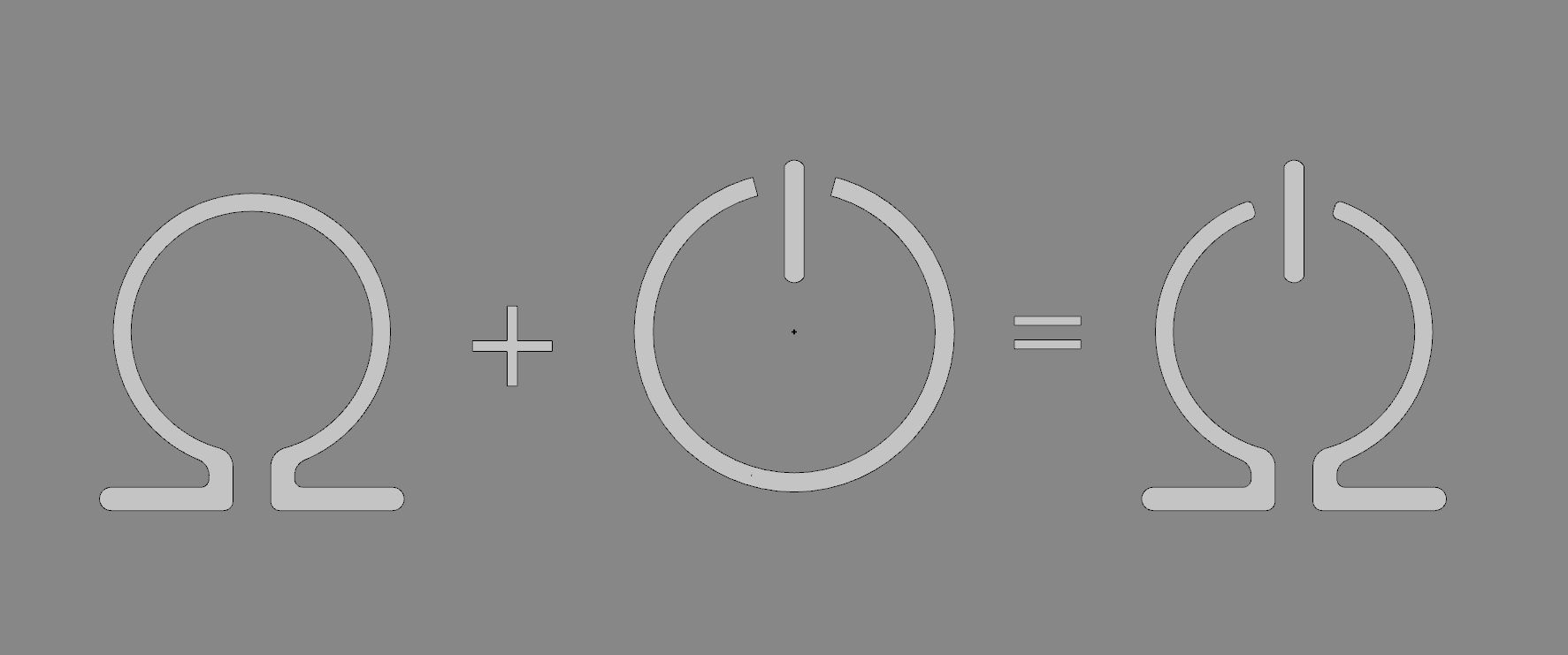
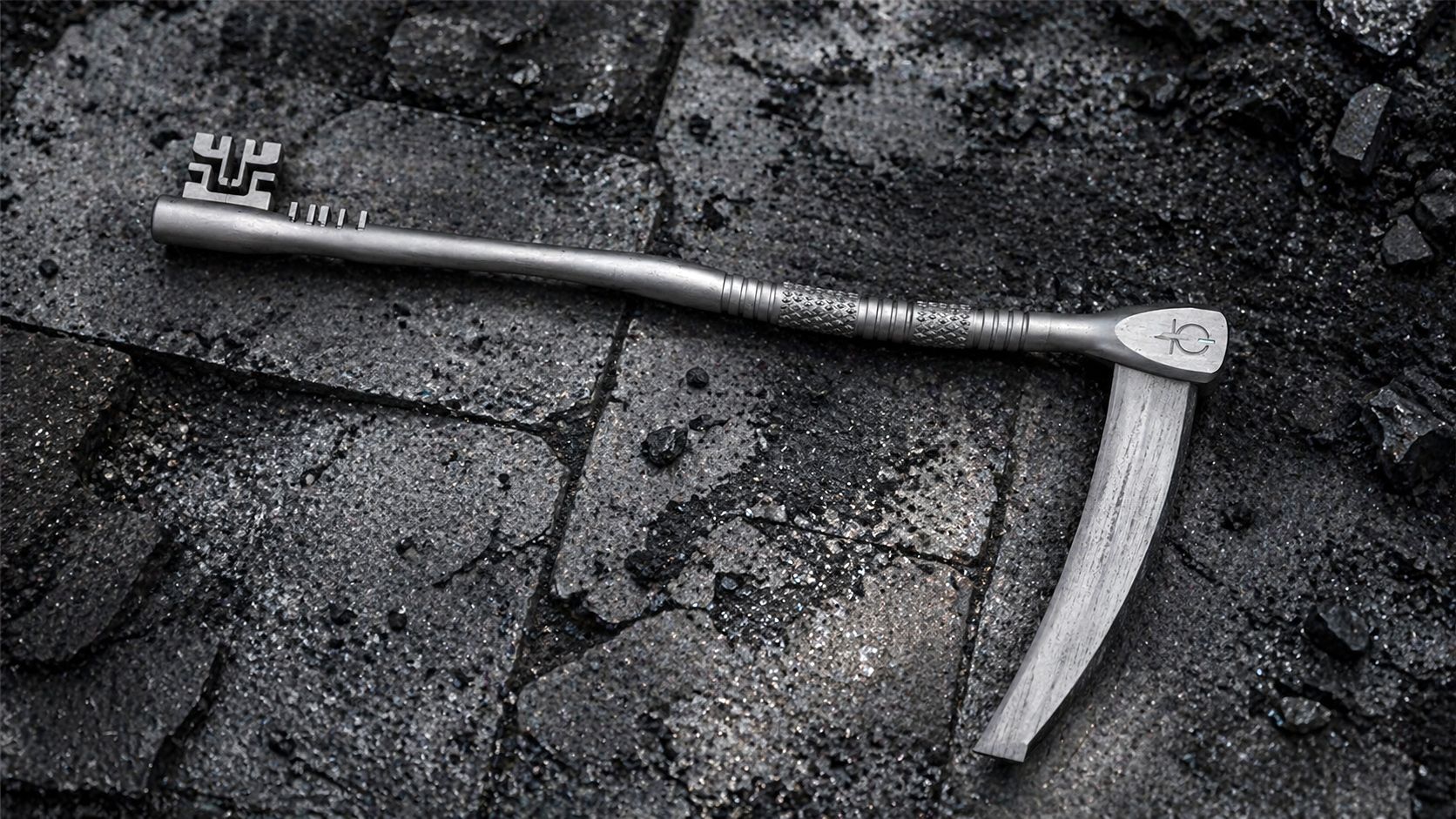
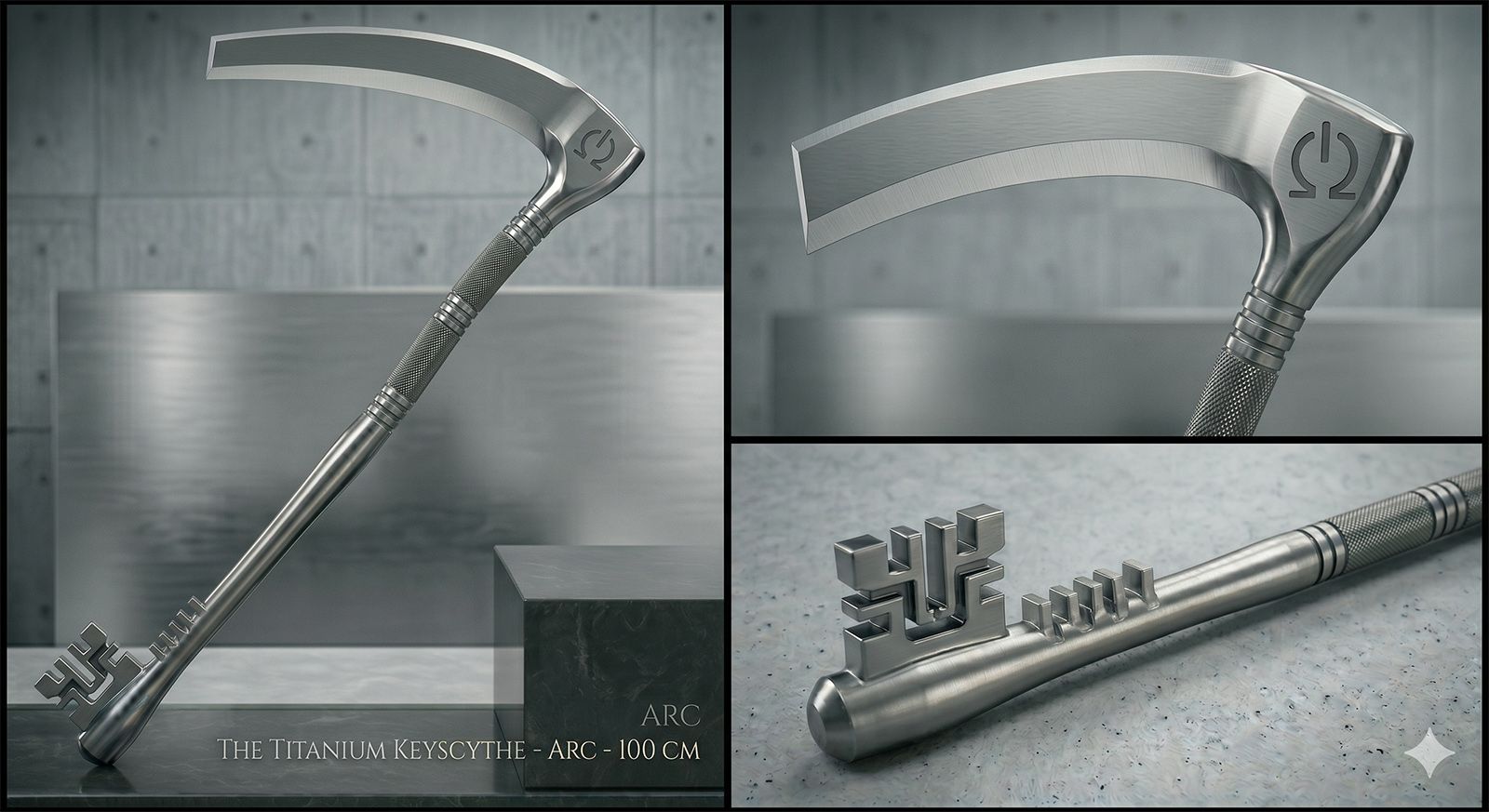
The horseman's weapon extends this logic. The scythe was modeled from an AI-generated image according to my instructions and then reworked. An unexpected symbol has appeared on its blade: an on/off pictogram. I kept it and merged it with the letter Omega to create a sign specific to this entity. This symbol condenses a complete cycle from left to right: pregnancy, birth, life, death (in its luminous phase), decomposition, and then recomposition into another system.
On the technical side, the skeleton was downloaded and then reworked in Blender and ZBrush. The horse was modeled in SketchUp from an AI-generated database and then refined in ZBrush and Blender. The scythe follows a similar process, between assisted generation and manual reconstruction.
The whole does not seek to tell a scene, but to set up a system. Death is not a spectacular event, but a discreet, inevitable mechanism already at work.
Images of the references at the end.
AI text
keyScythe
references
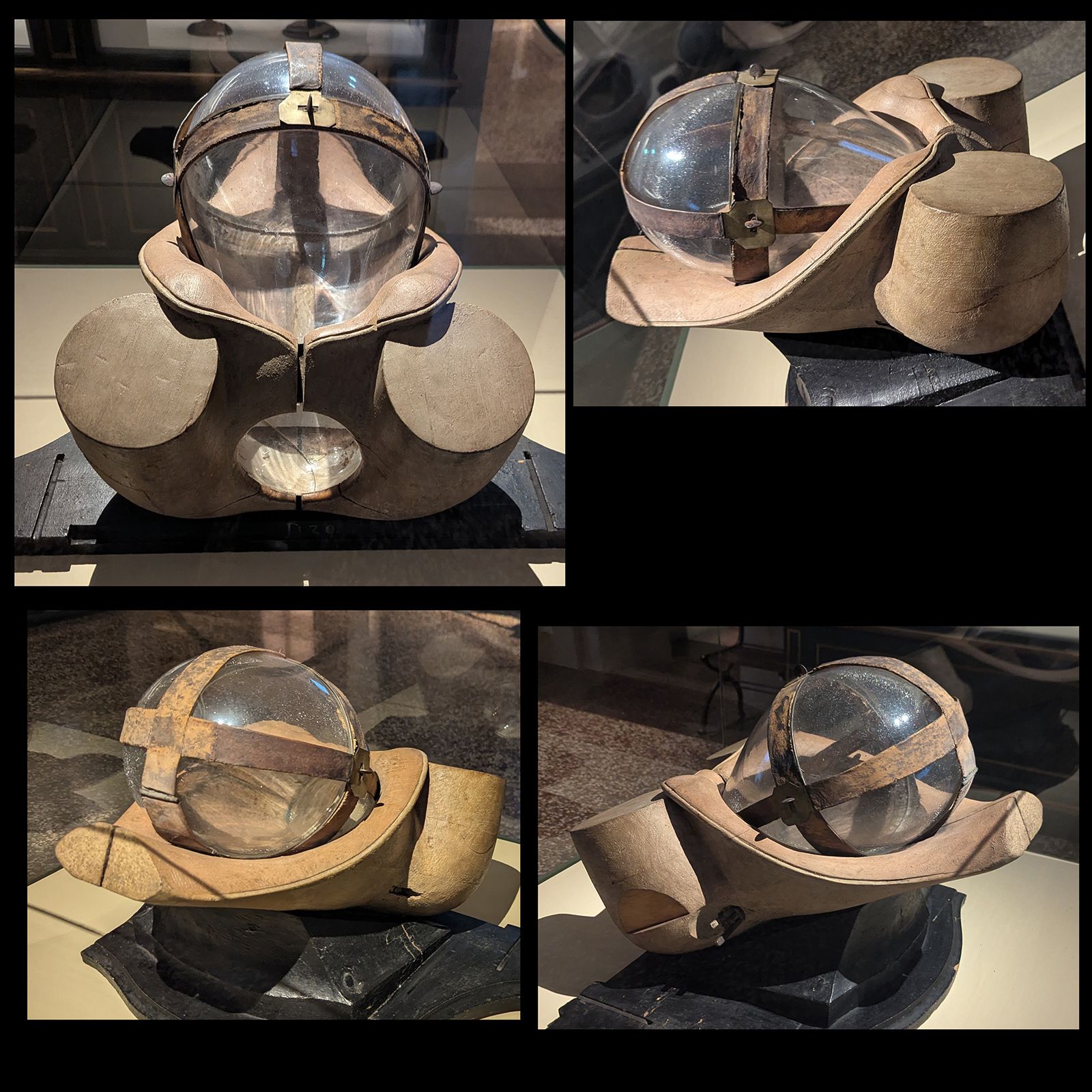
-
Massive work.. do you model everything in Zbrush or you do something in Sketchup (e.g masses/concept)?
-
Hi , thanks panixia
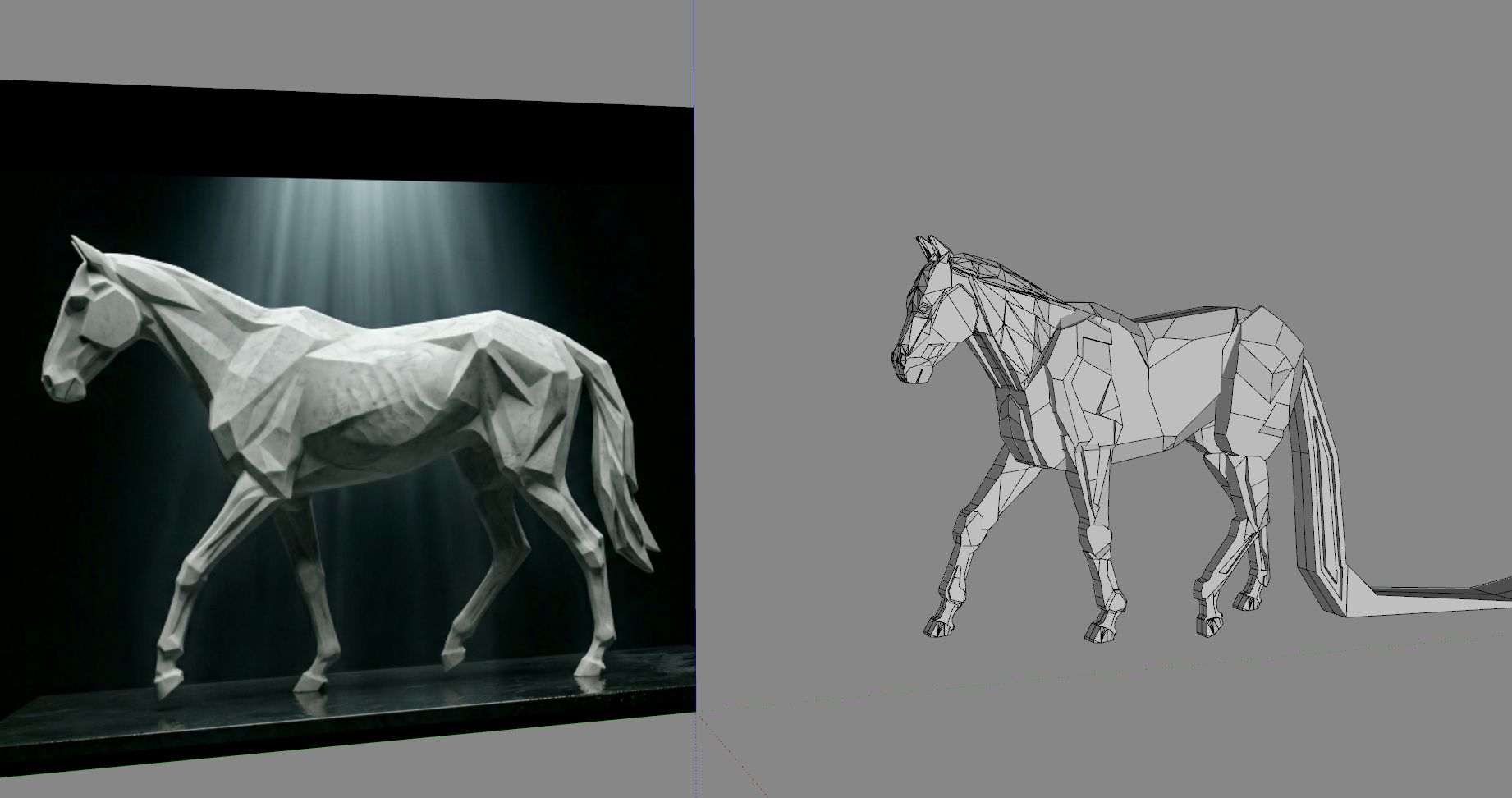
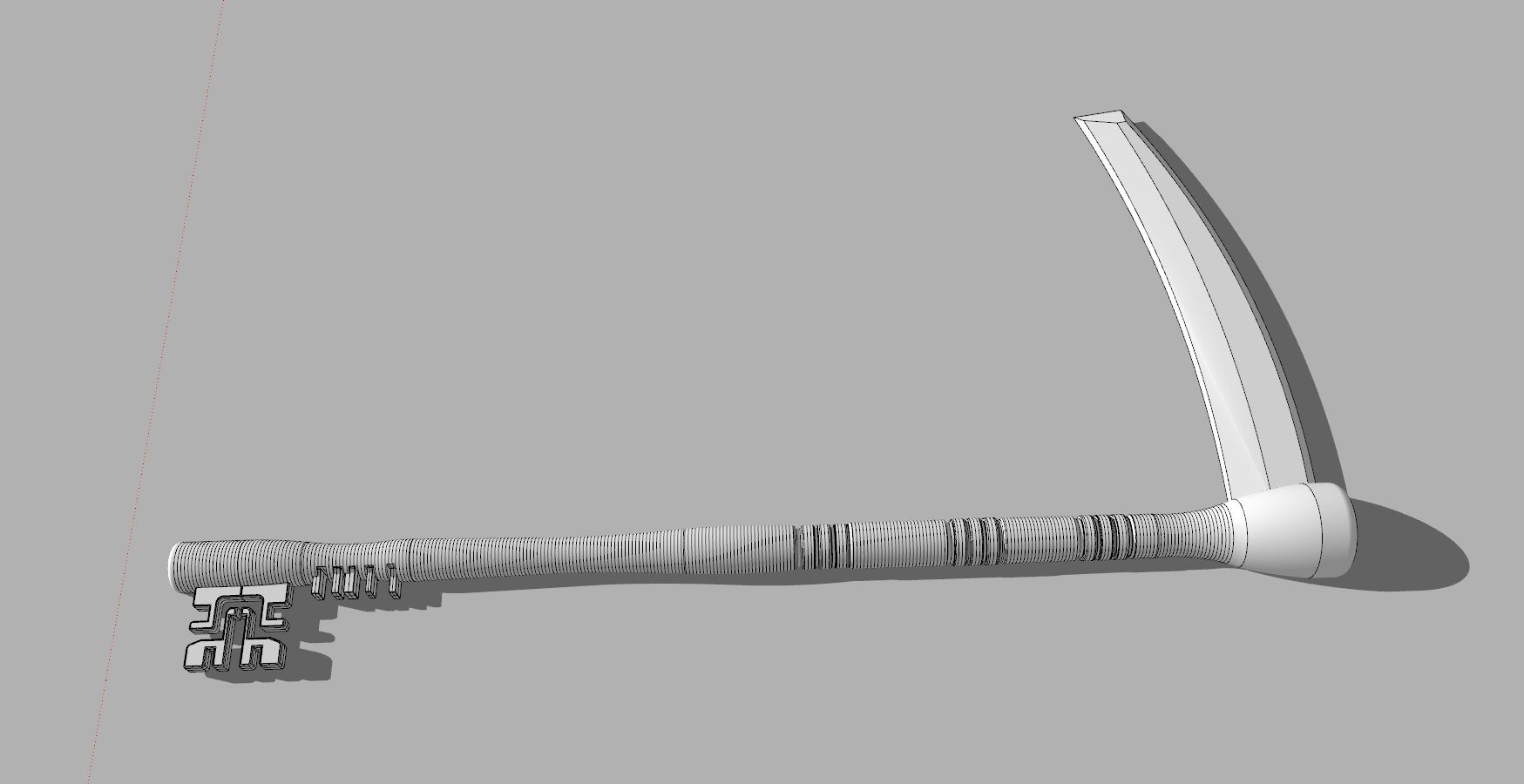
Even though I don't make sketchup models to place as is in my 3d project, I often prefer to make my base volume in sketchup and then transform it into zbrush, blender or nomad for Ipad.
For this particular project I made my basic volumes in Sketchup for the horse and the scythe.
For the horse I then increased the number of faces with the zbrush dynamershand then softened some parts with sculpt.For the scythe, ditto, I made the base in sketchup and then changed the shape subtly with box modeling manipulation via proportional editing.
-
Magic, thanks again mate. Smiley day.
-
This post is deleted! -
Il y avait longtemps que je n'étais pas passé par ici! Excellent!
Comme je suis né à l'Hôtel Dieu, je suis particulièrement touché par le bouquin sur Notre Dame!
J'ai entendu sonner les douze coups de minuit! Bravo!
Je me demandais combien de temps tu allais résister aux Ai!
Je te conseille la fonction Mix de Vizcom directement dans le "Workbench" (même une seule image en Drag & Drop suffit
Et on obtient des variations à tomber à l'infini! (c'est gratuit en plus) -
@mike-amos my pleasure
@pilou Merci Pipile . Oui, l'IA promet le meilleur comme le pire.

 . Je ne savais pas pour l'Hotel Dieu, je ferai une petite génuflexion la prochaine fois que je passe devant.
Facing the horsemen of the Apocalypse, I will place a character, the knight Silence.
This character will be a musician. The final version will be with a harp I think.
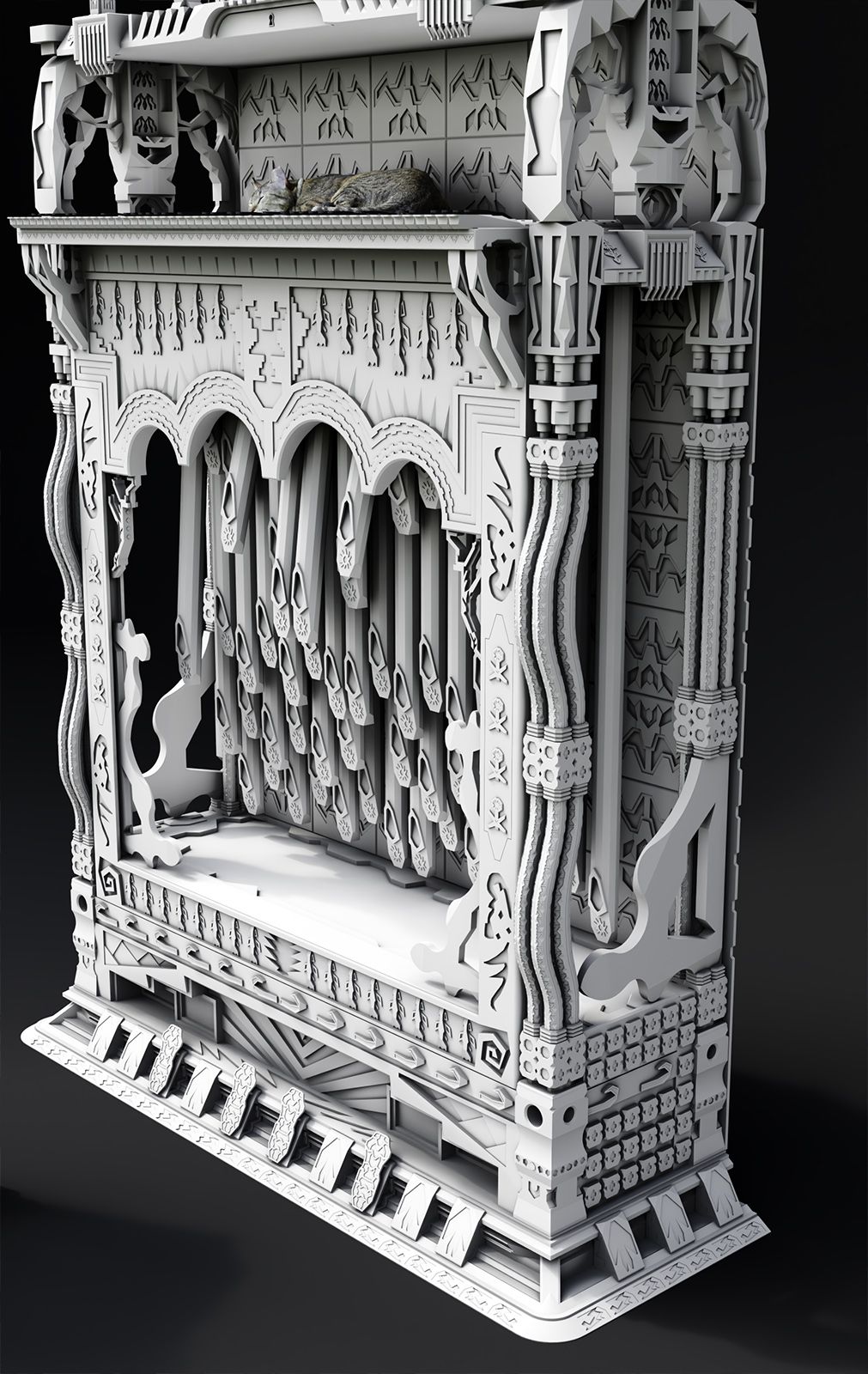
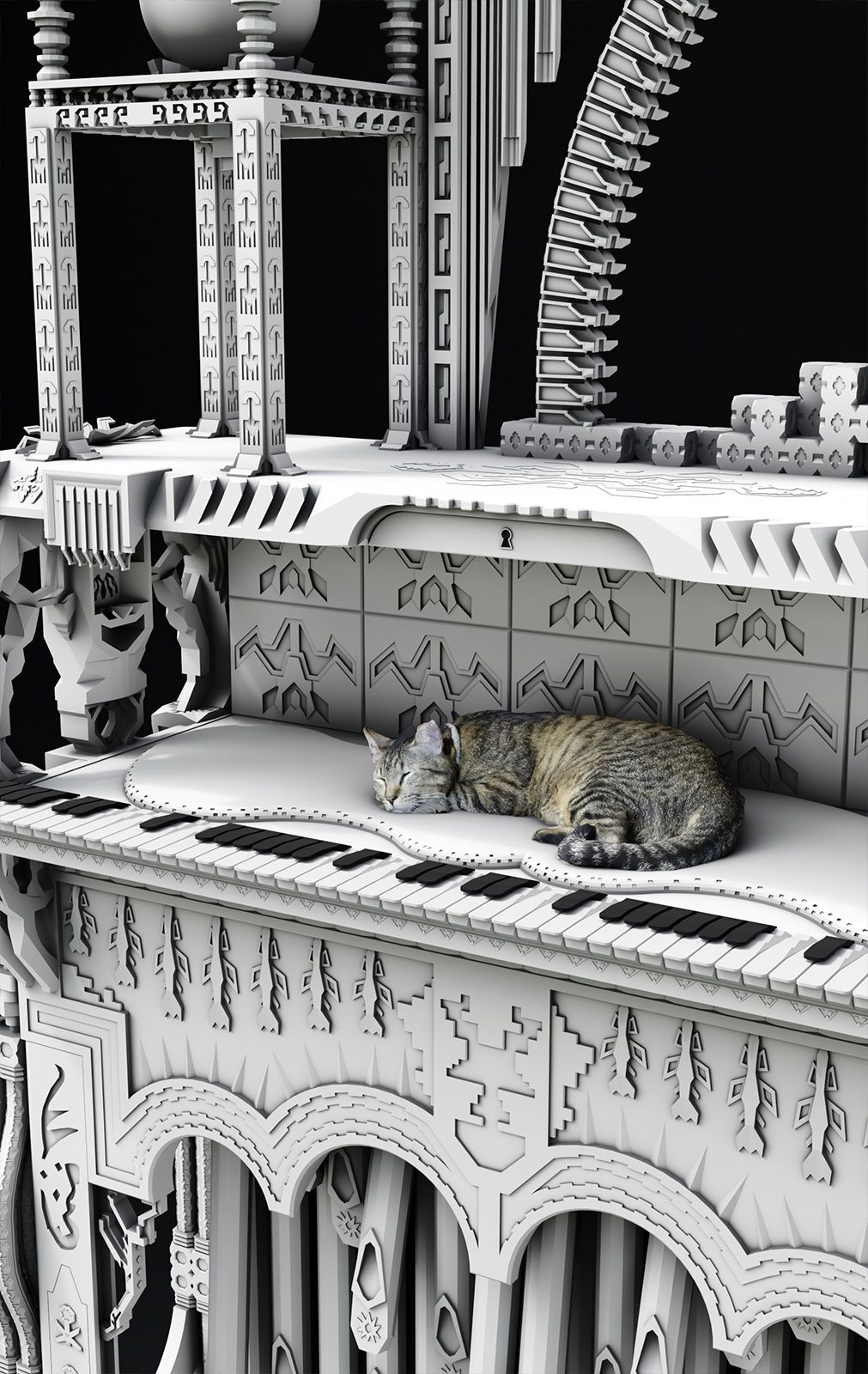
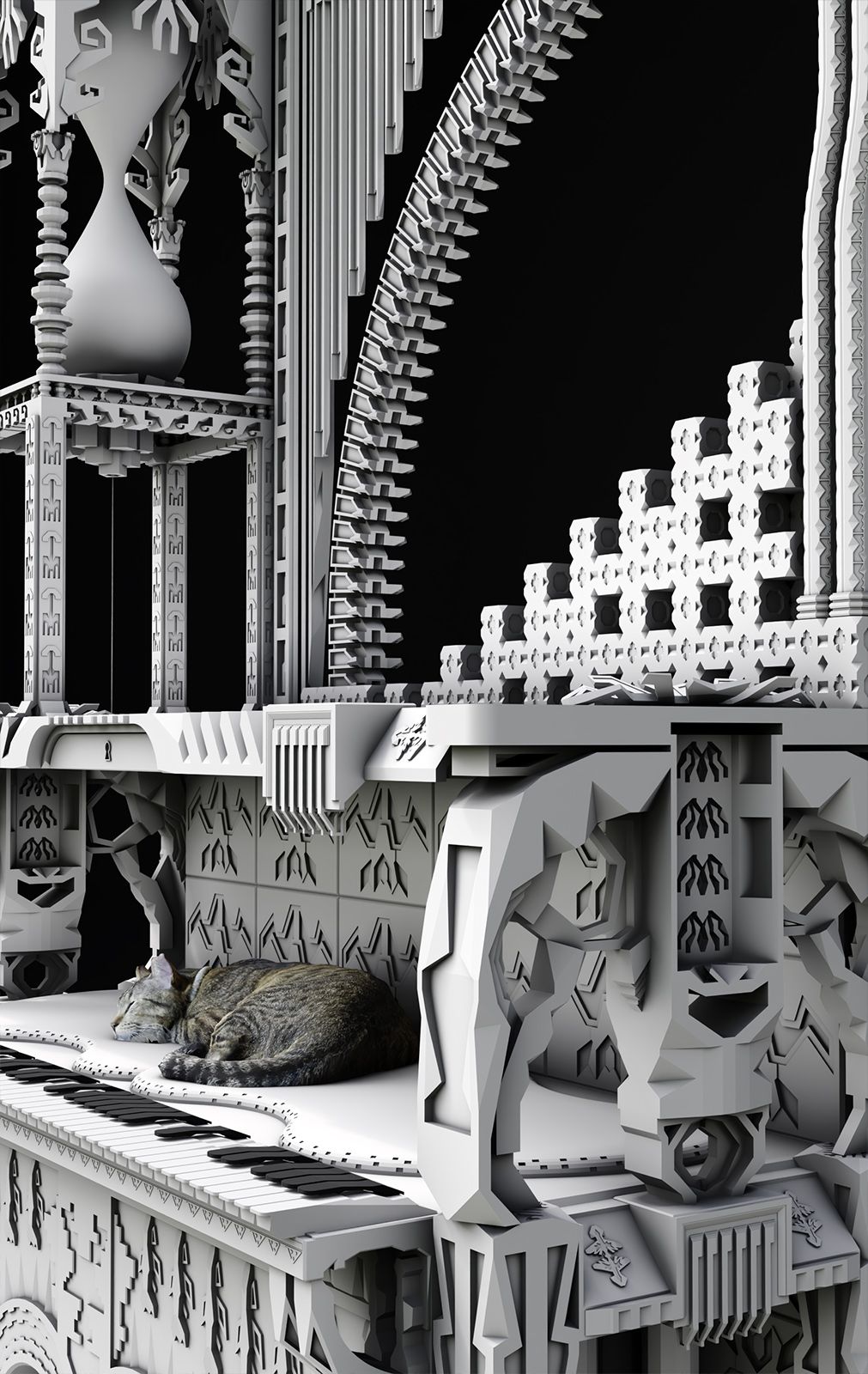
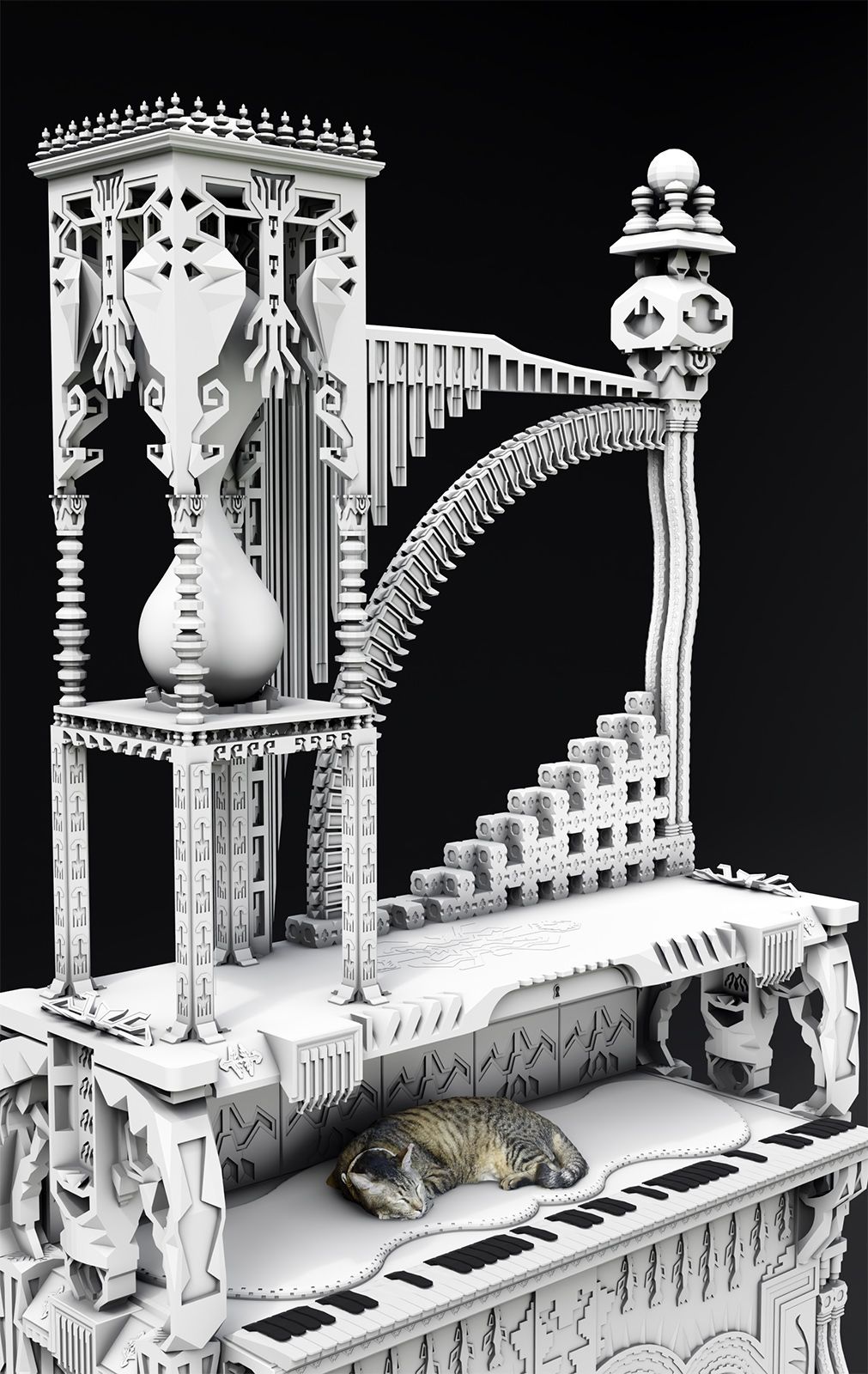
For fun, I made him an organ from a cabinet in the Denver museum. Photos taken by my friend Ross, a big thank you to him.
The first 3 images were made by AI from my 3d renderings. 95% moderating with Sketchup.
You can download them in large at this link https://www.mediafire.com/file/ul9a3f67r4wh42d/OrgueSilence.zip/fileIA pictures from my renders
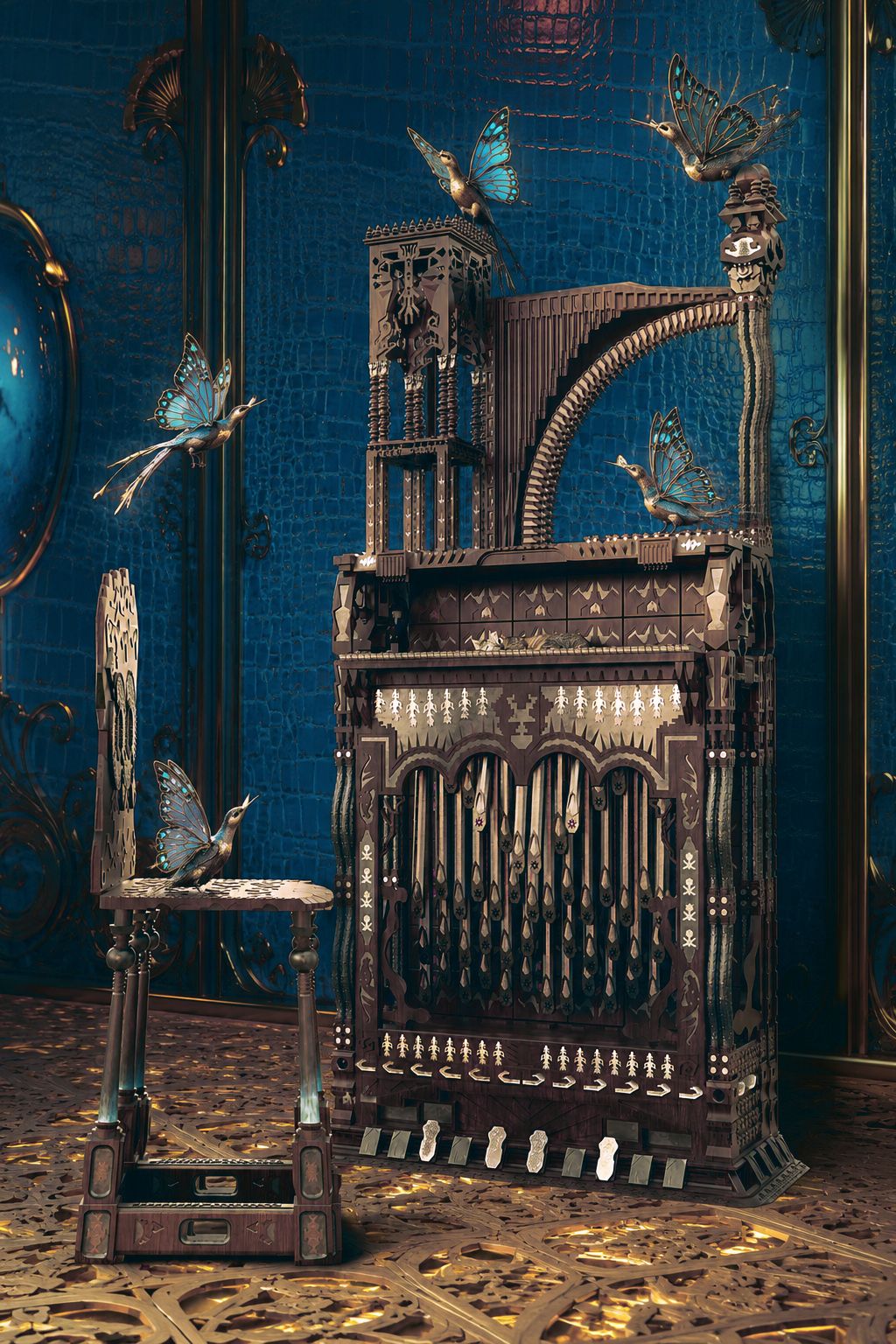
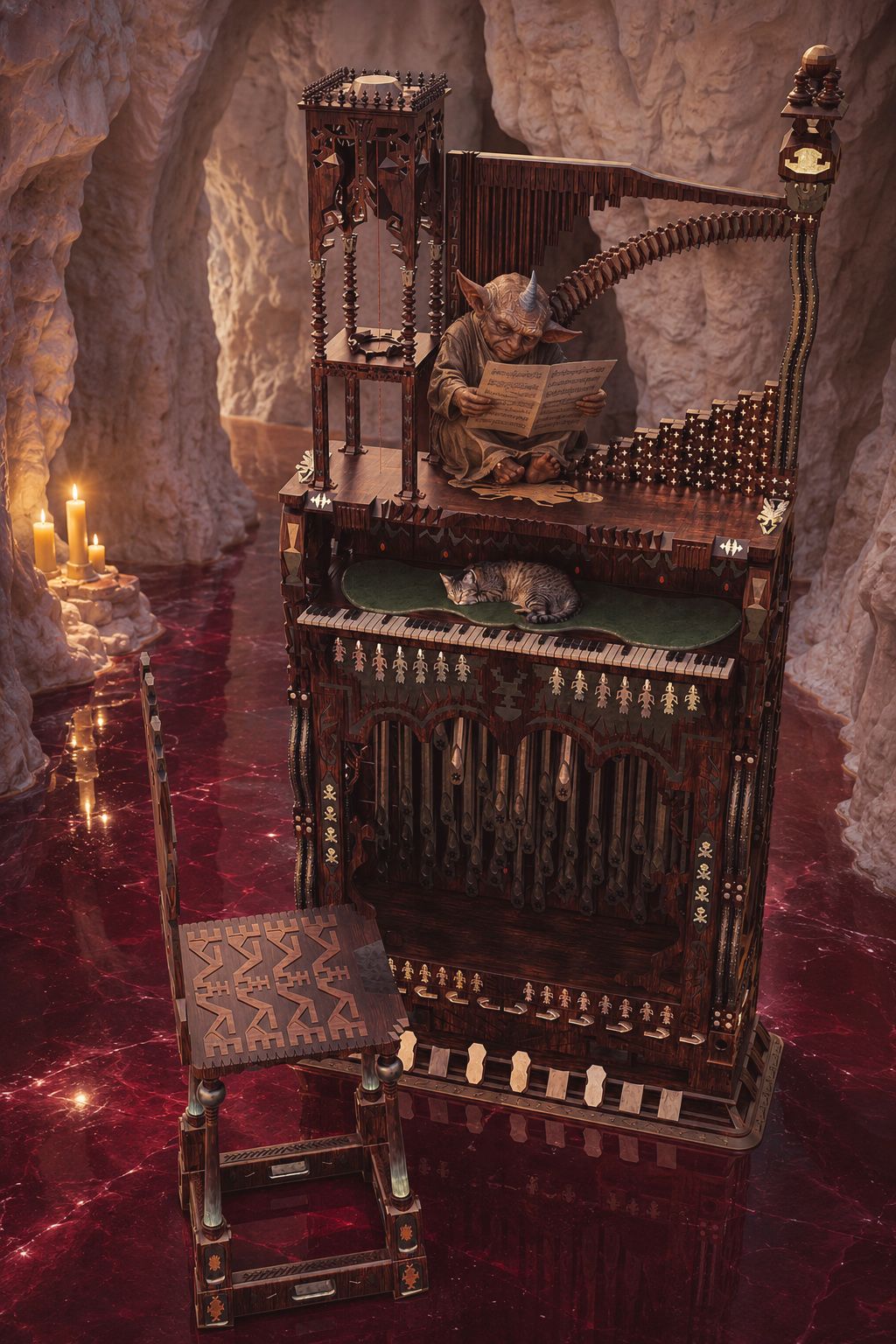
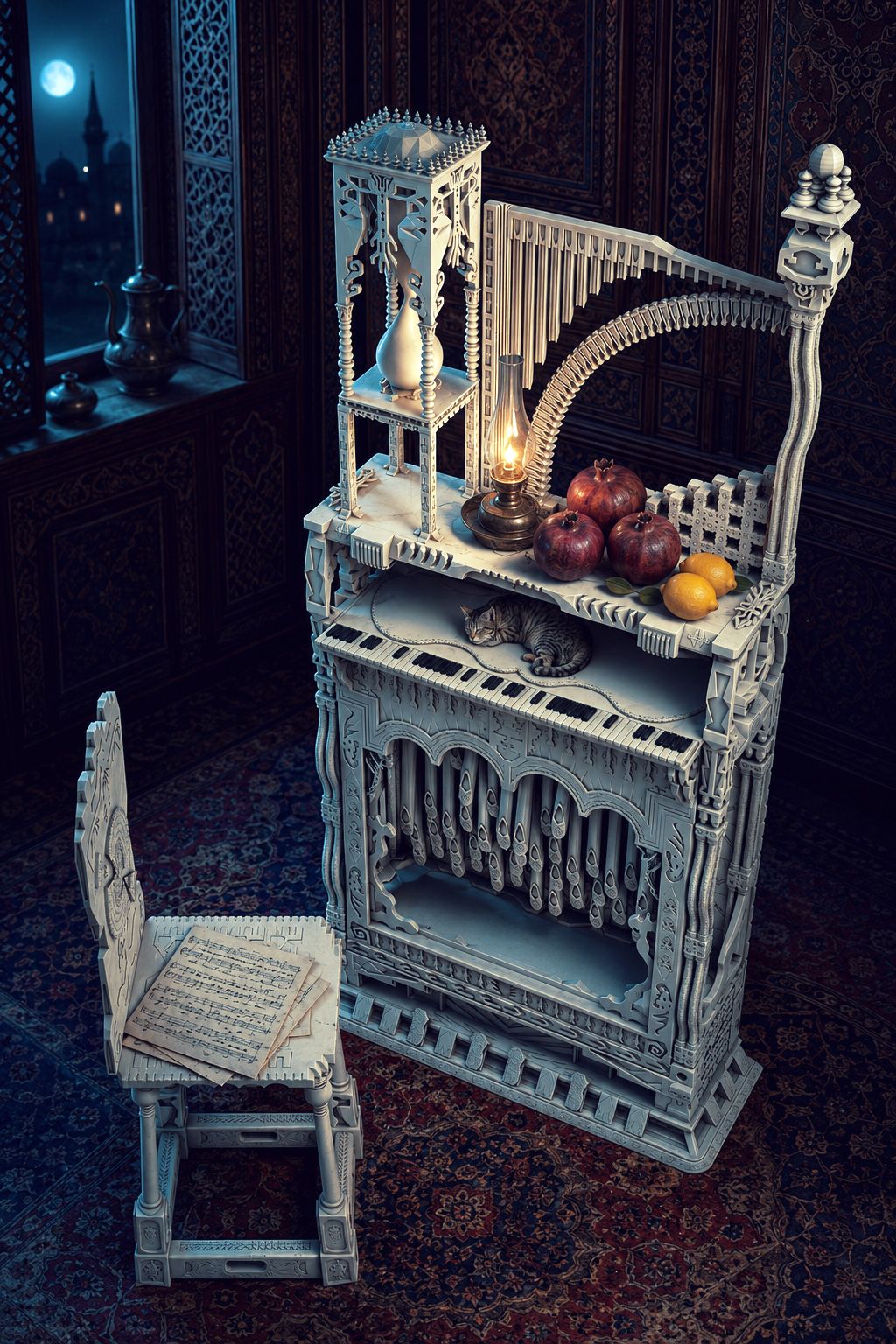
Beauty renders
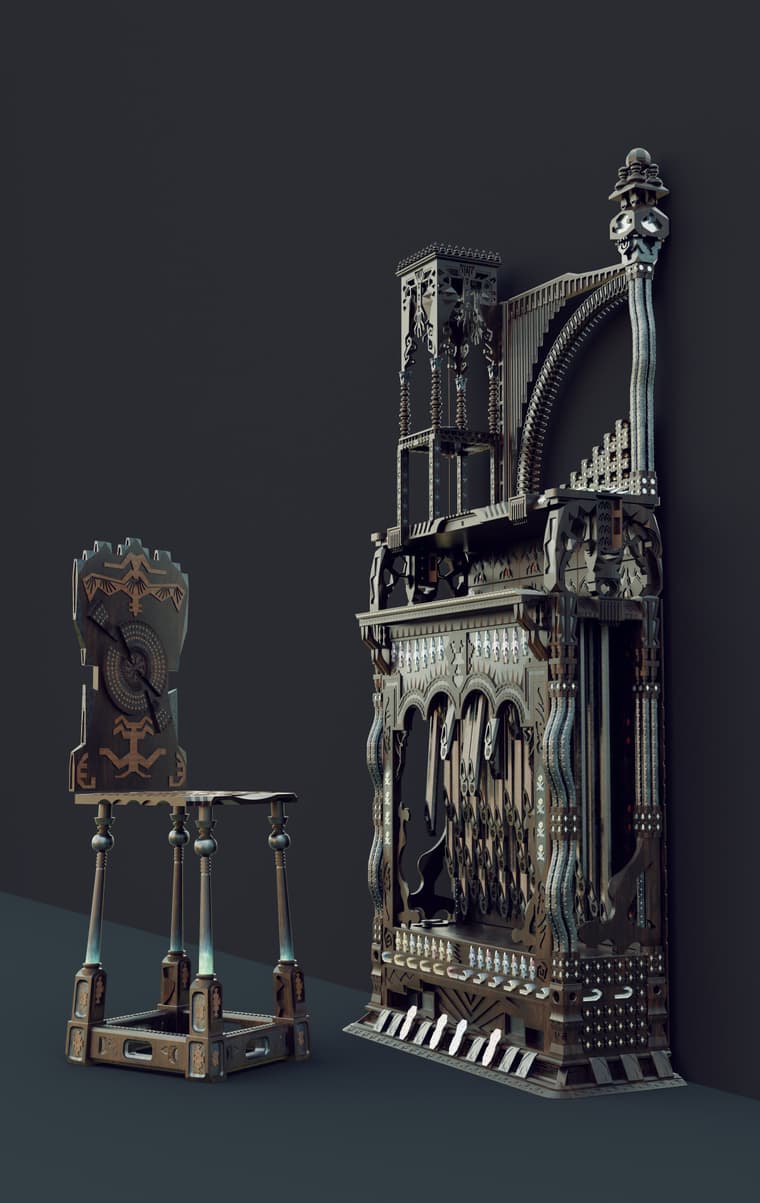
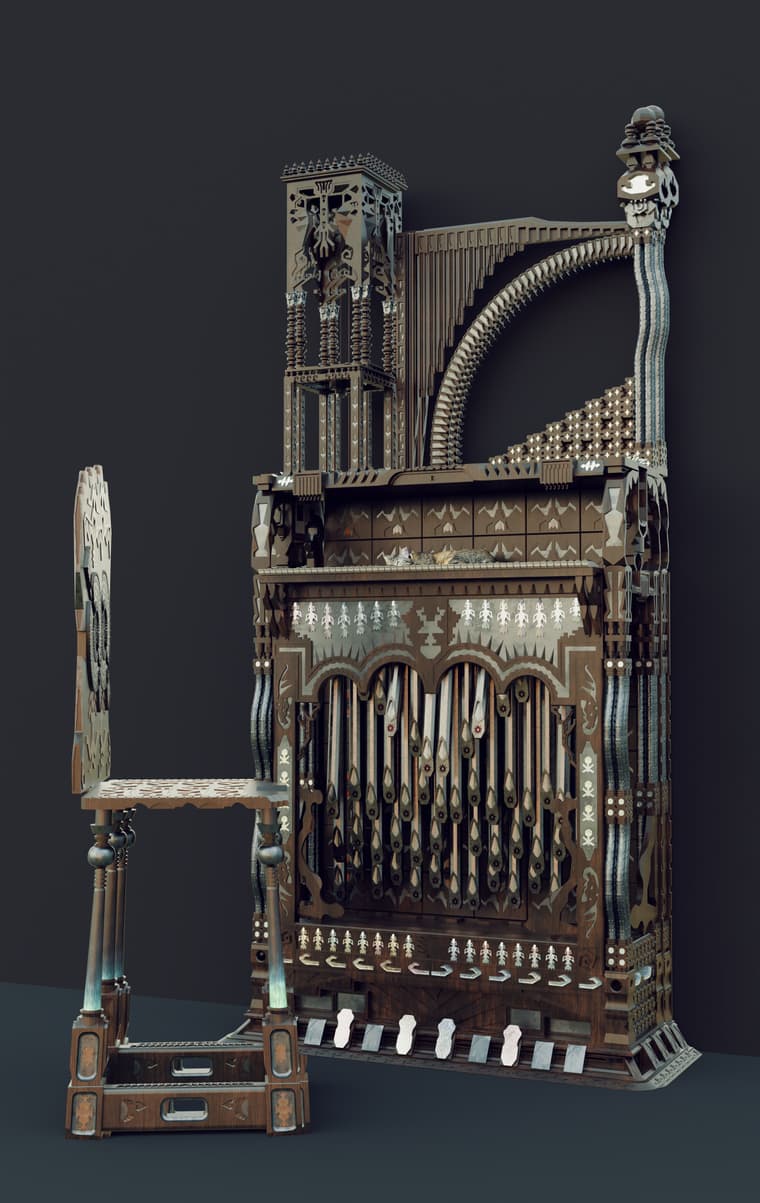
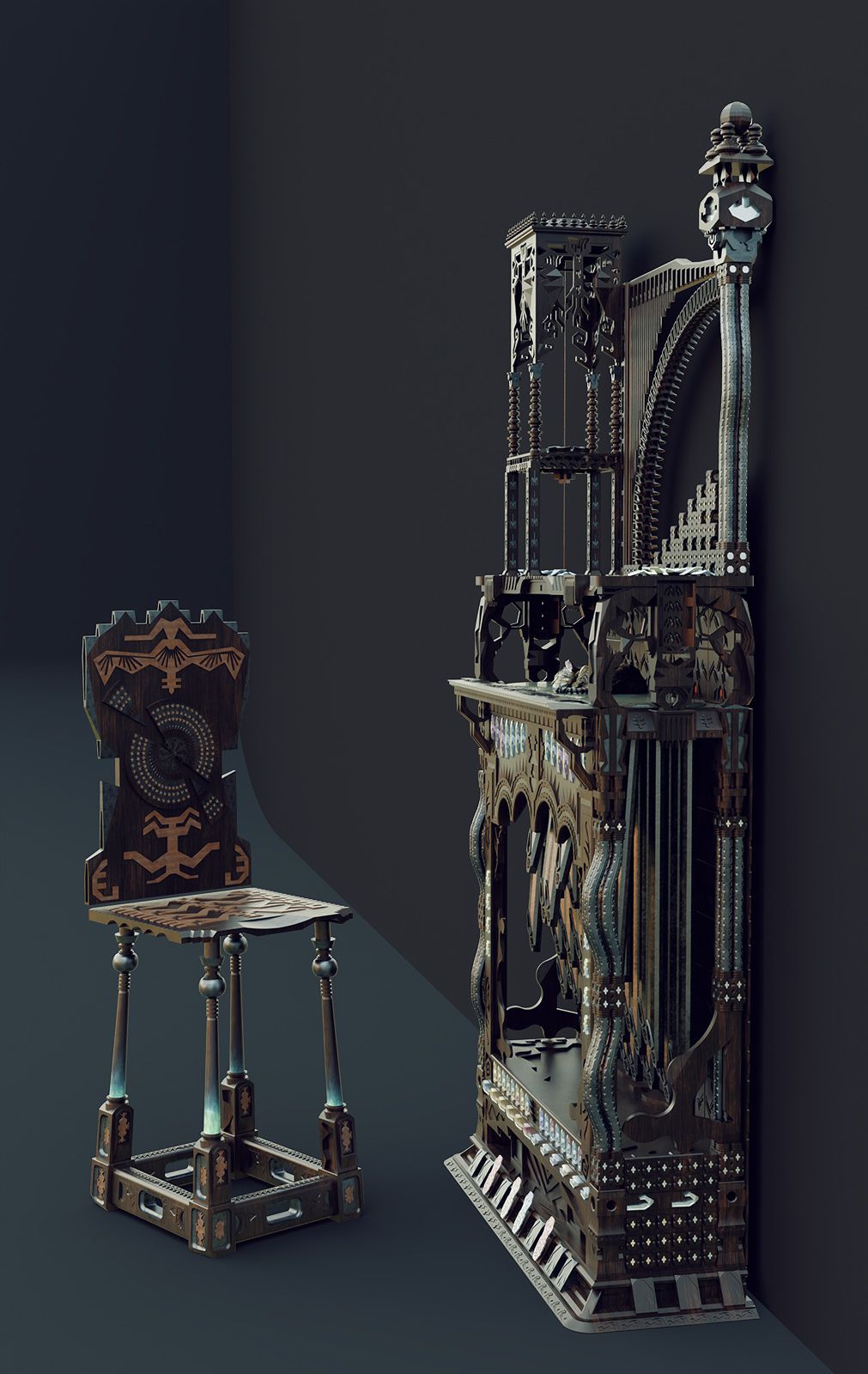
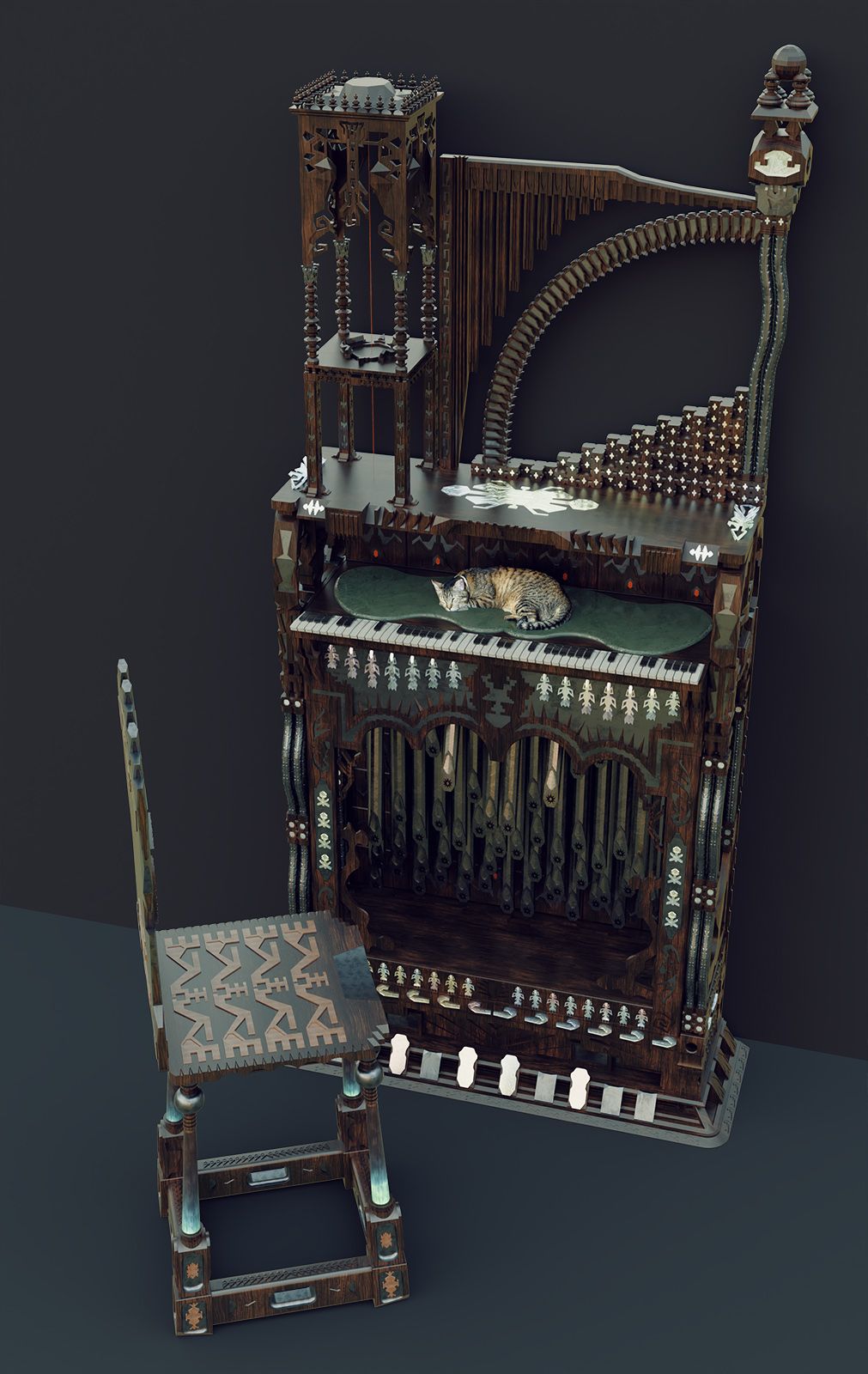
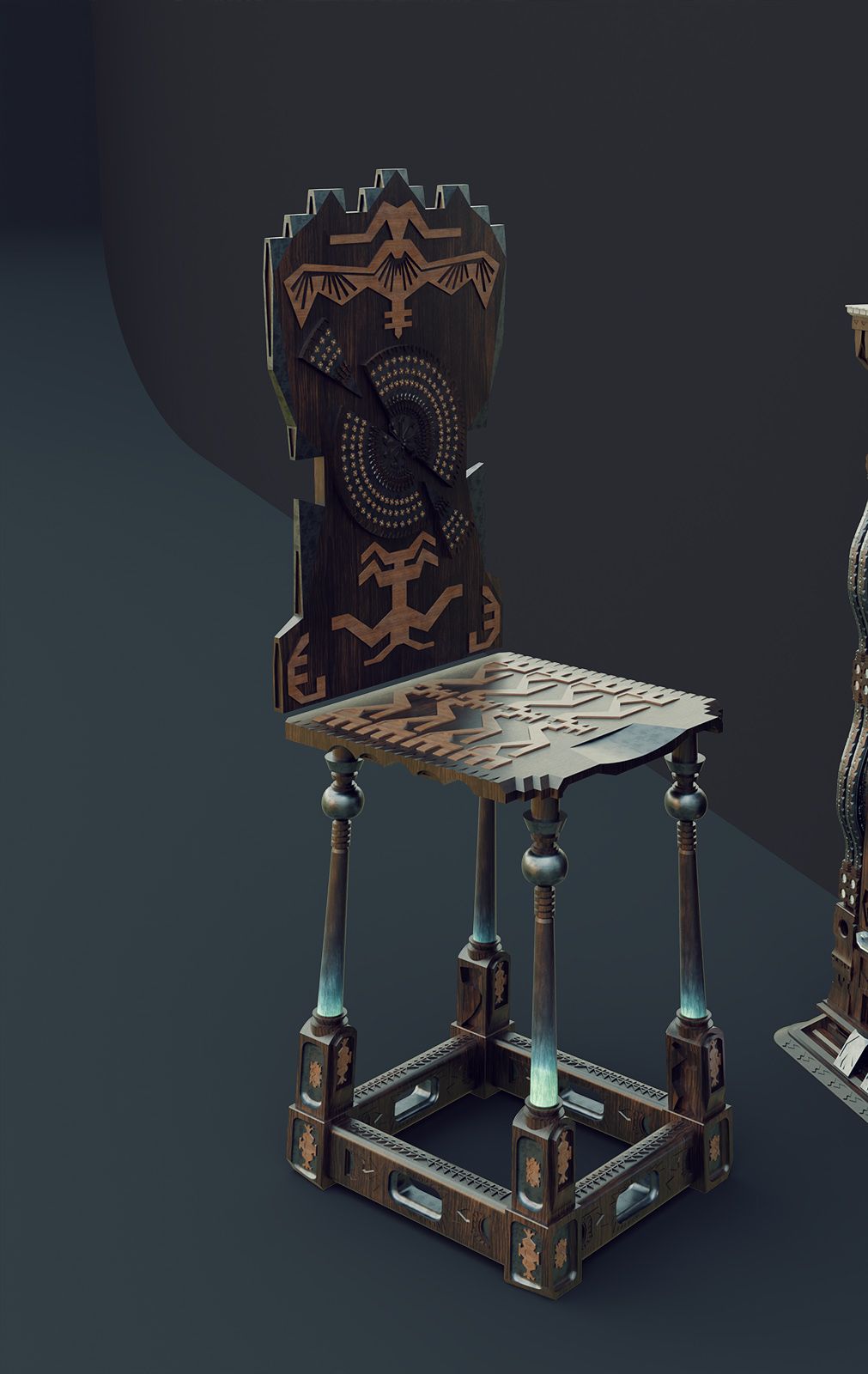
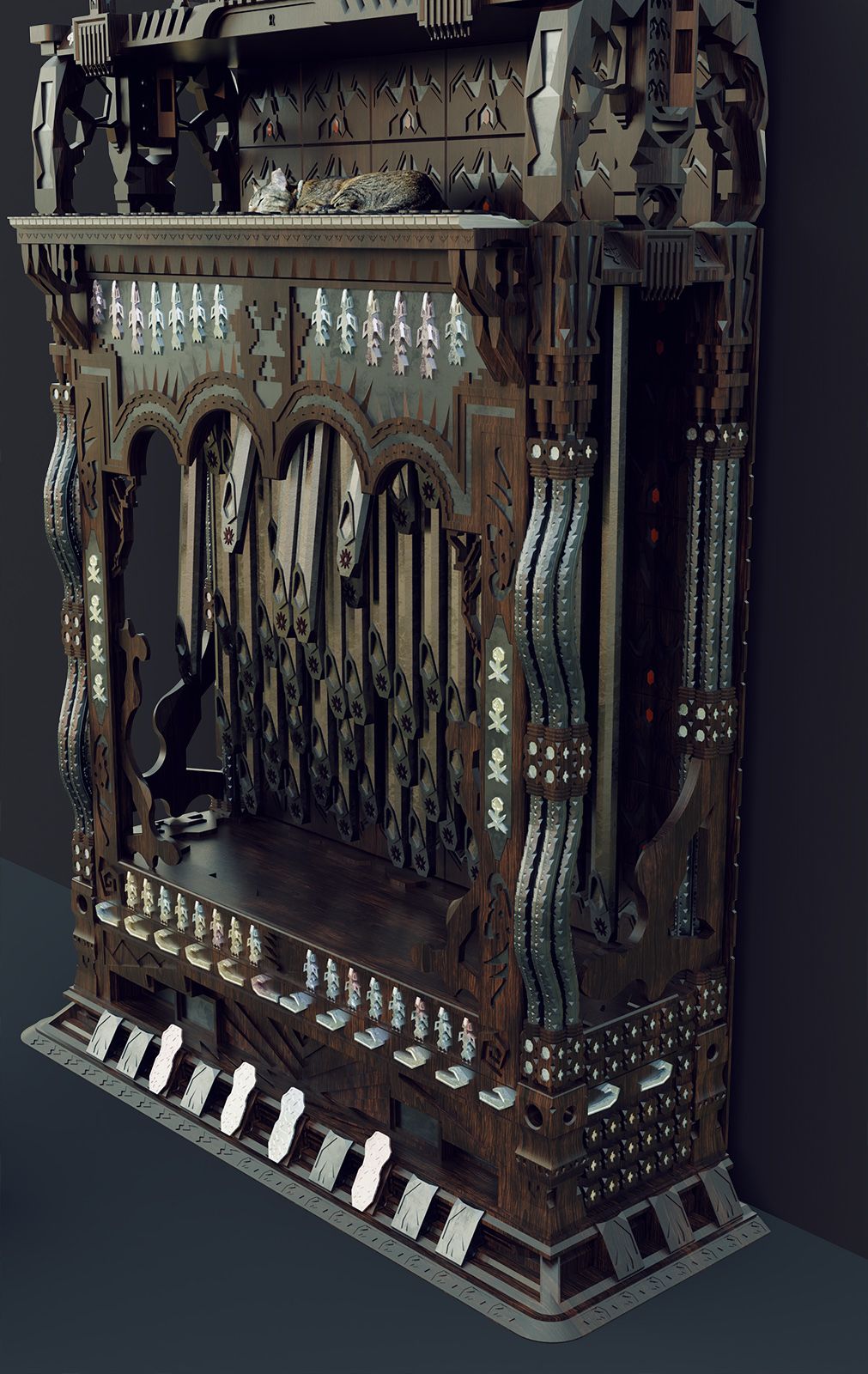
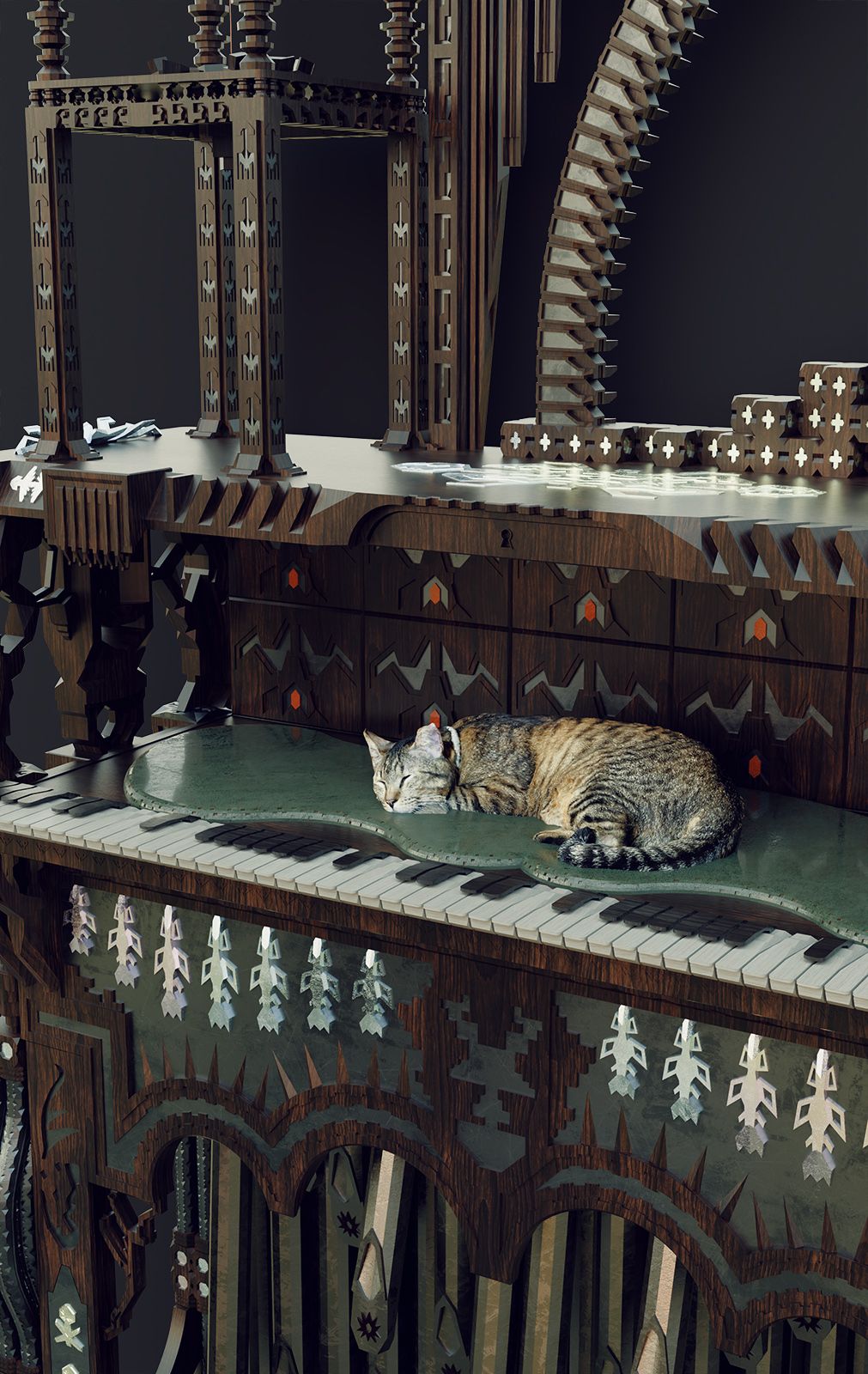
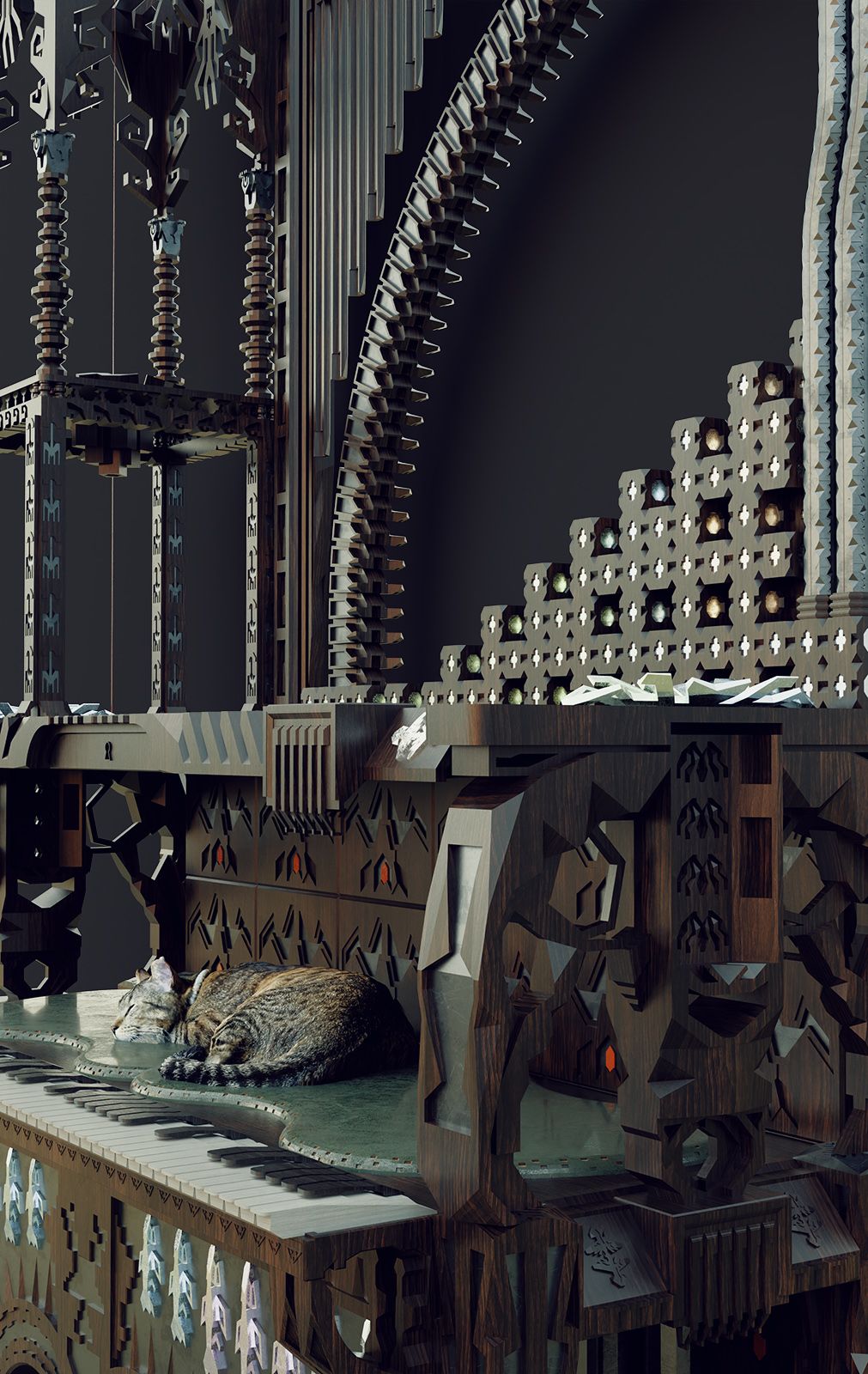
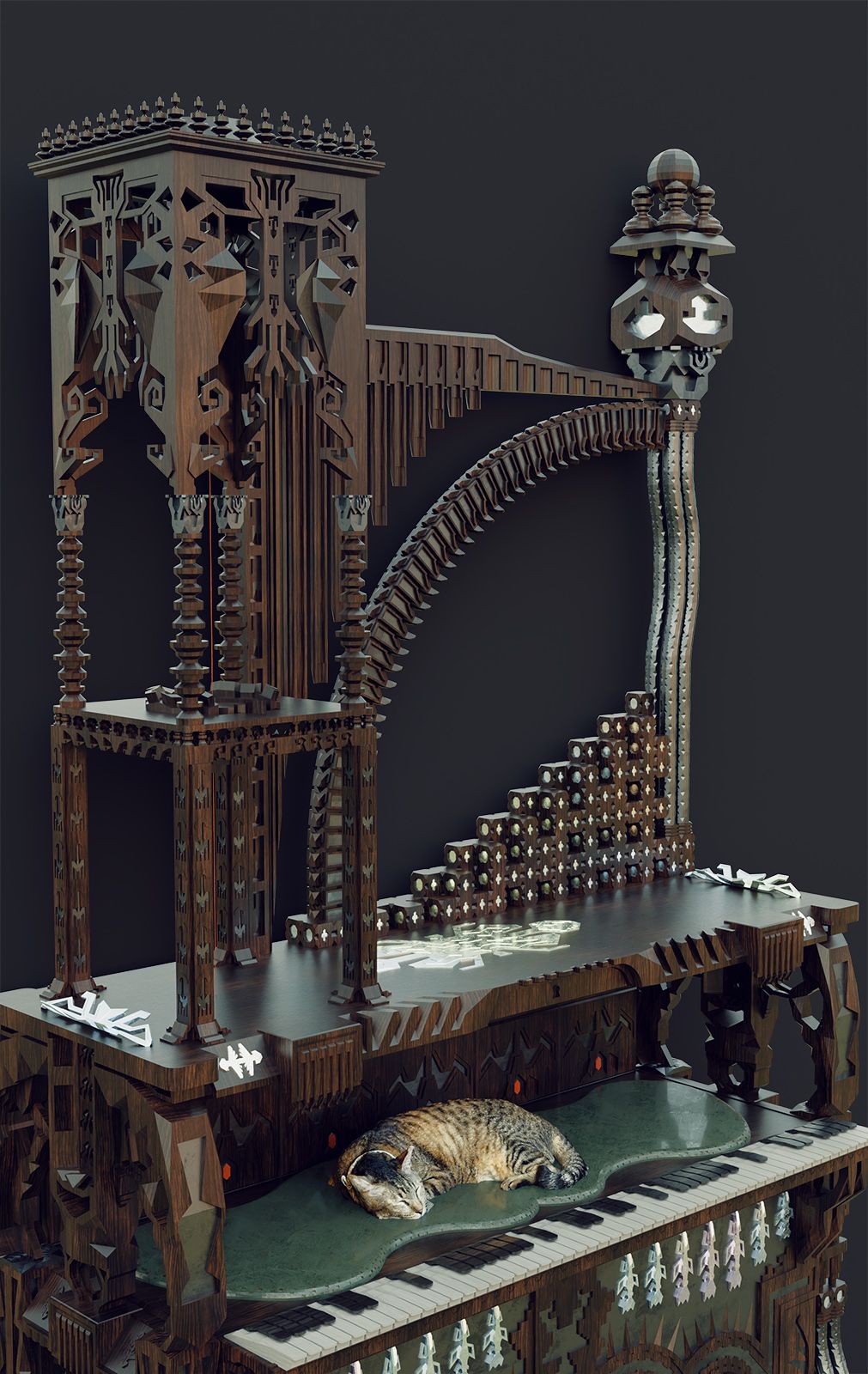
Clay renders
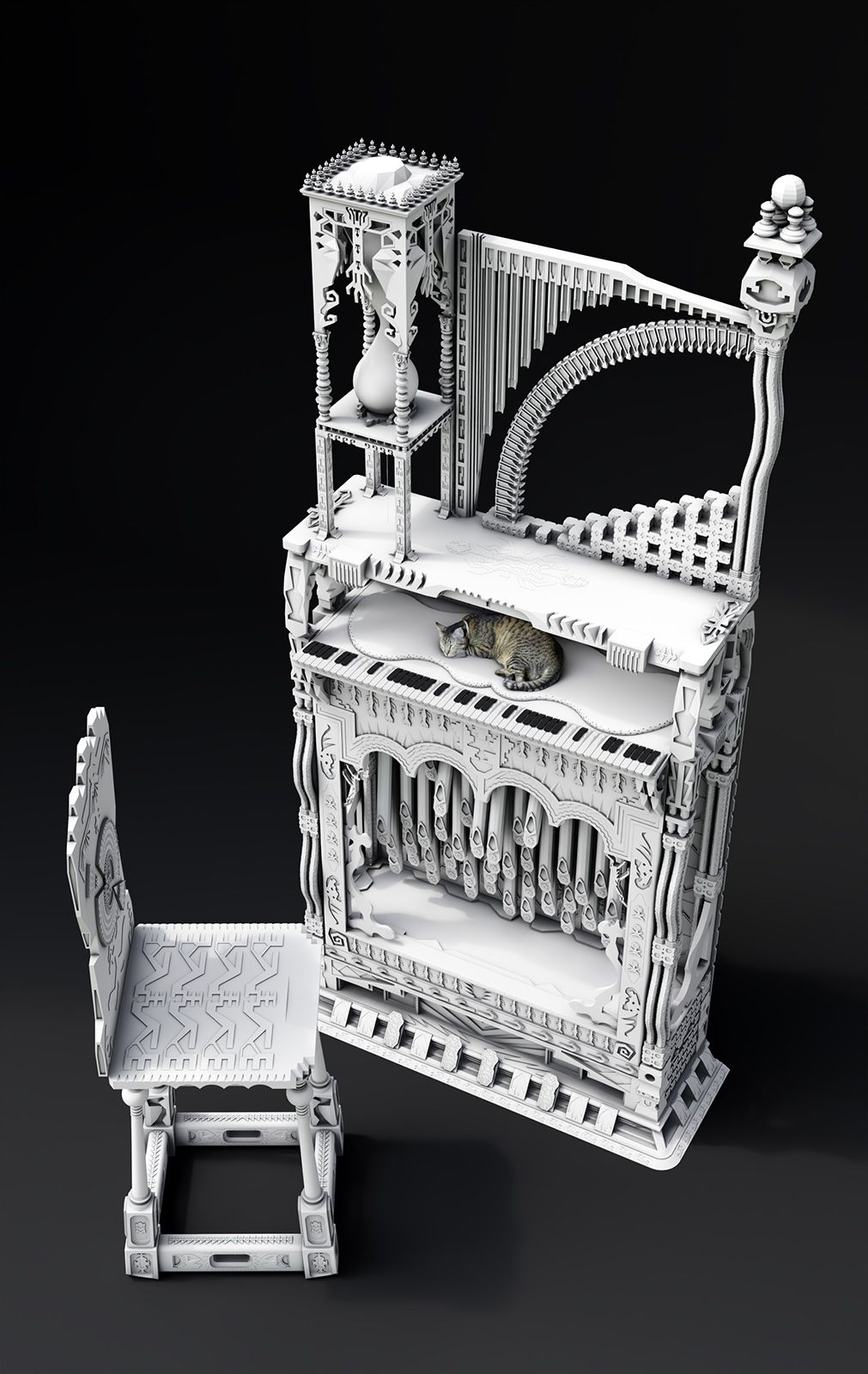
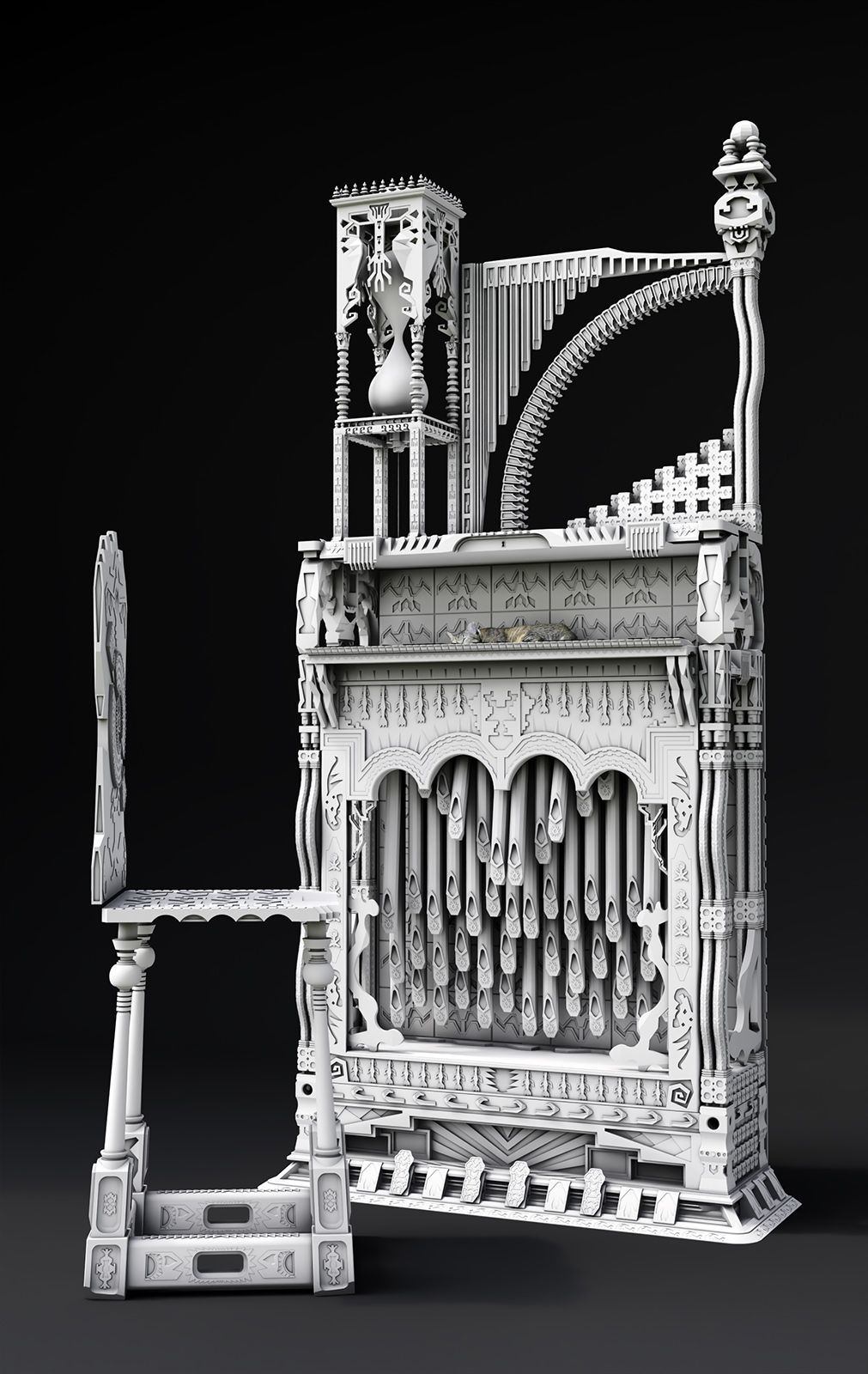
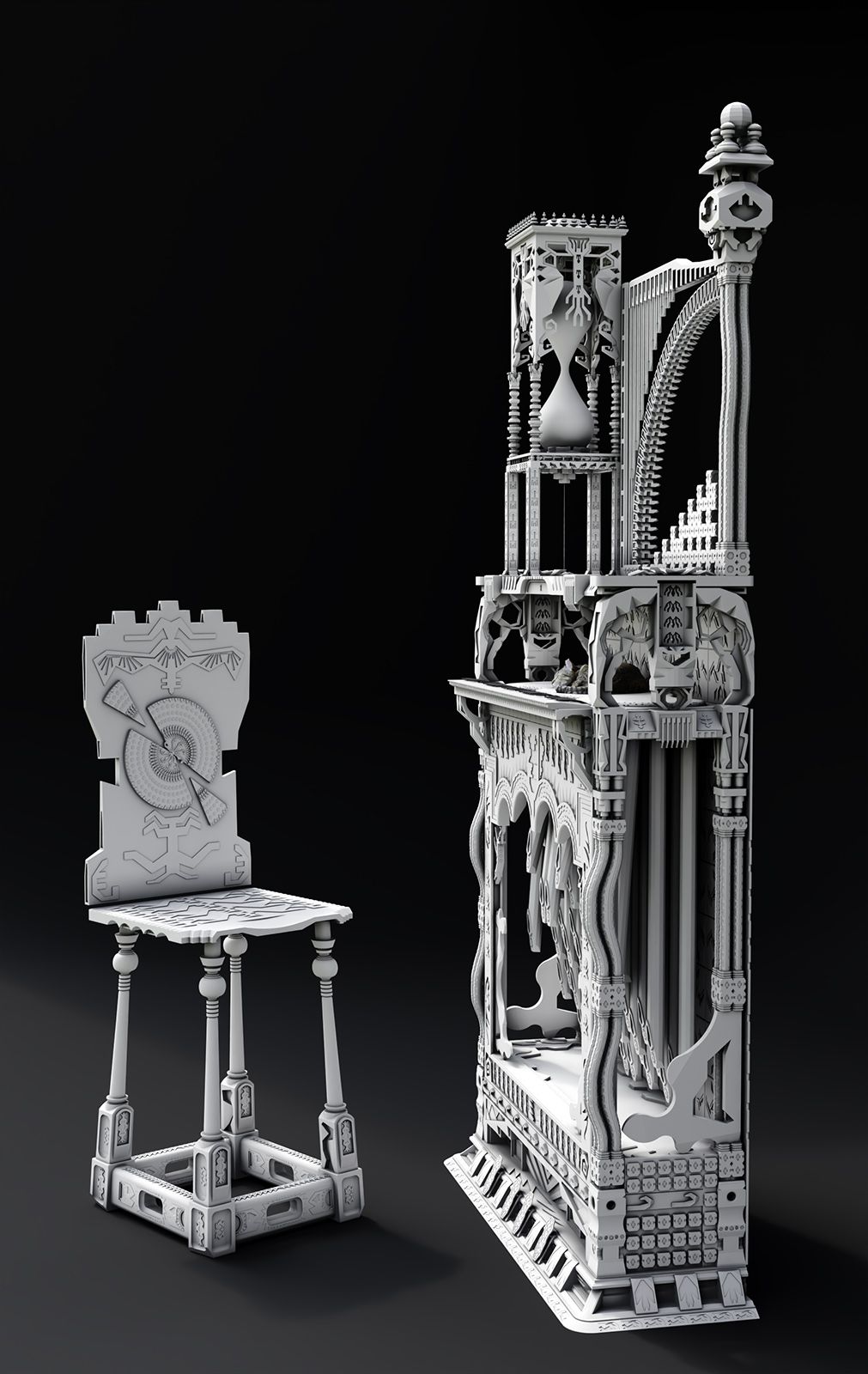
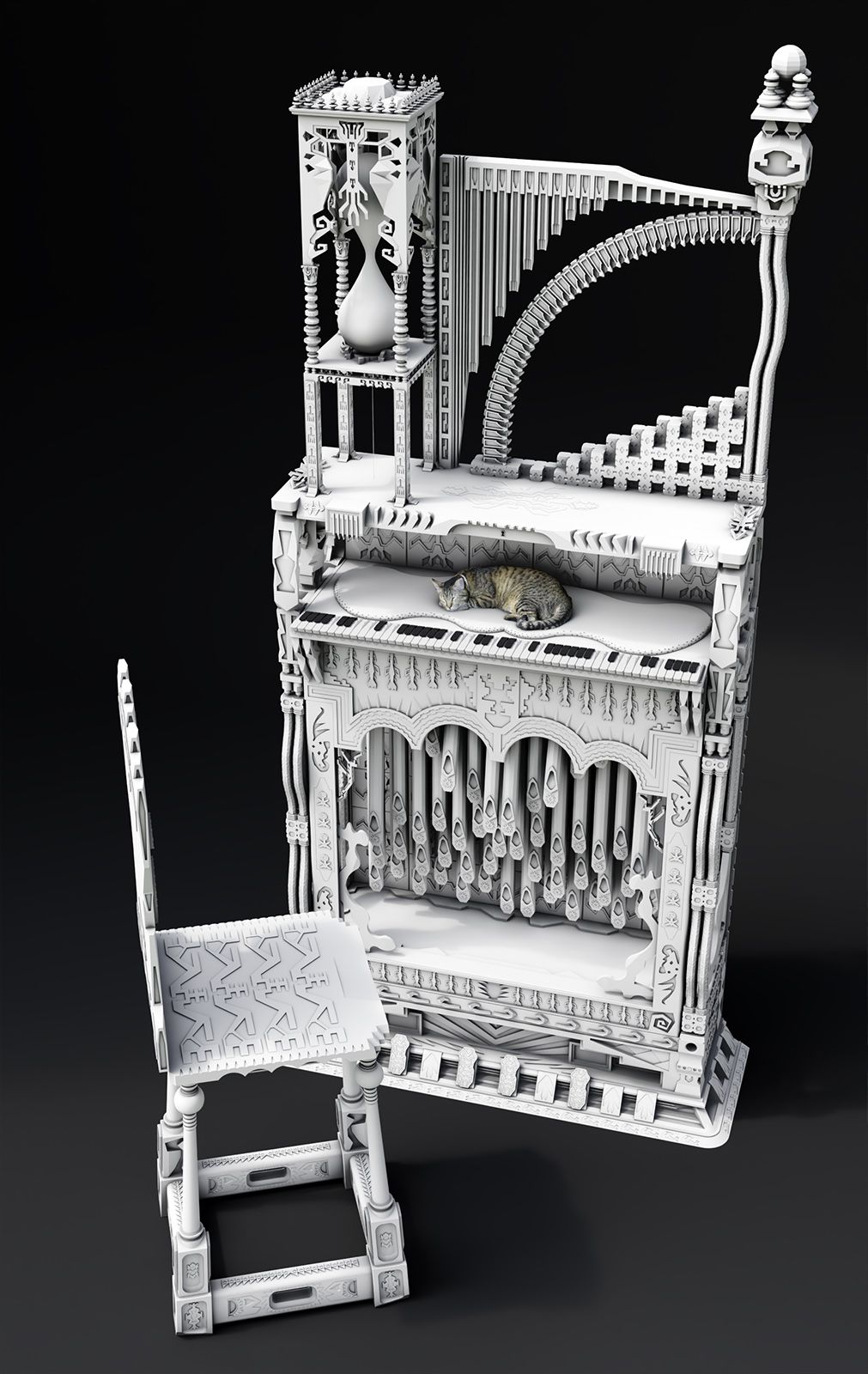
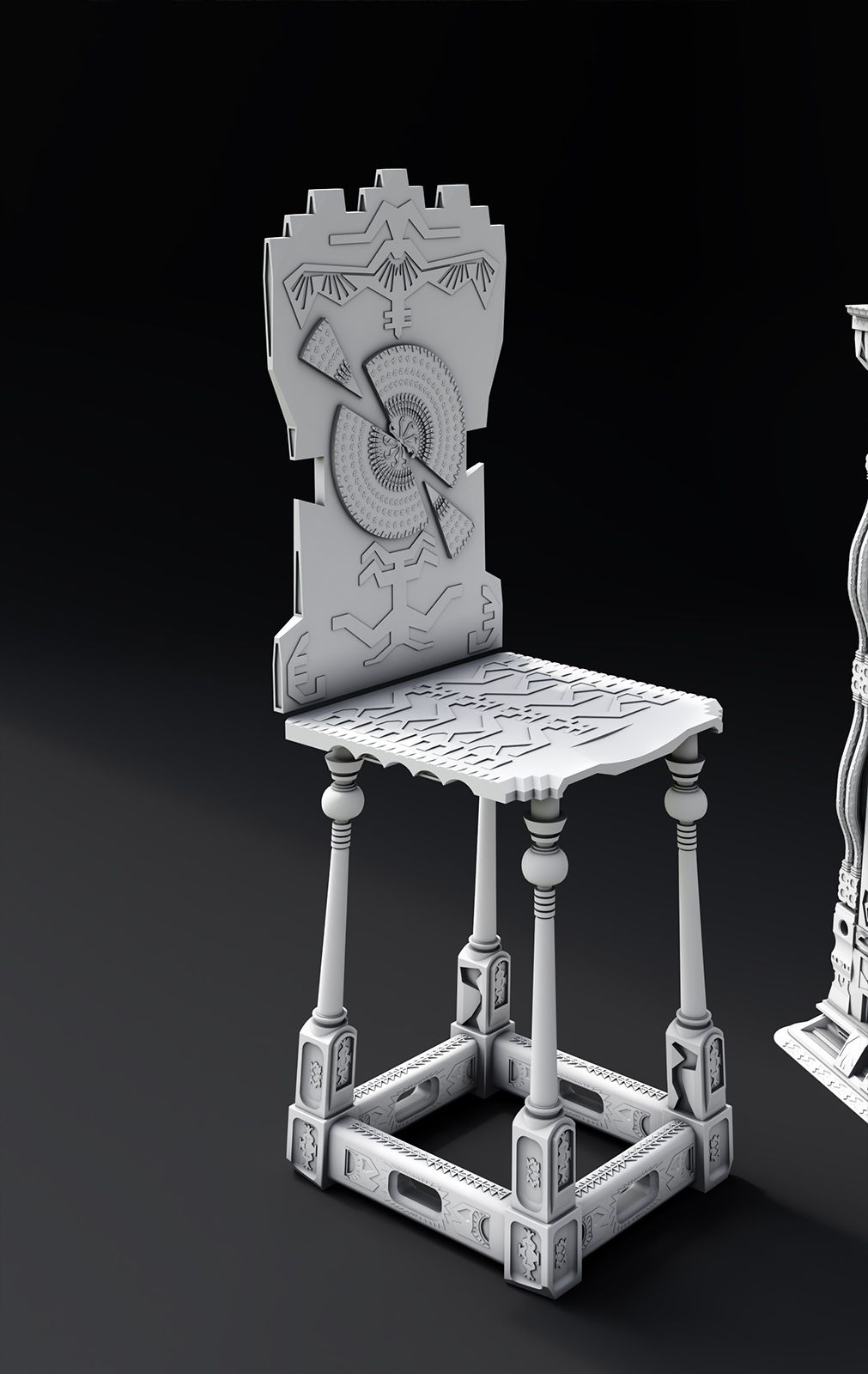
The references
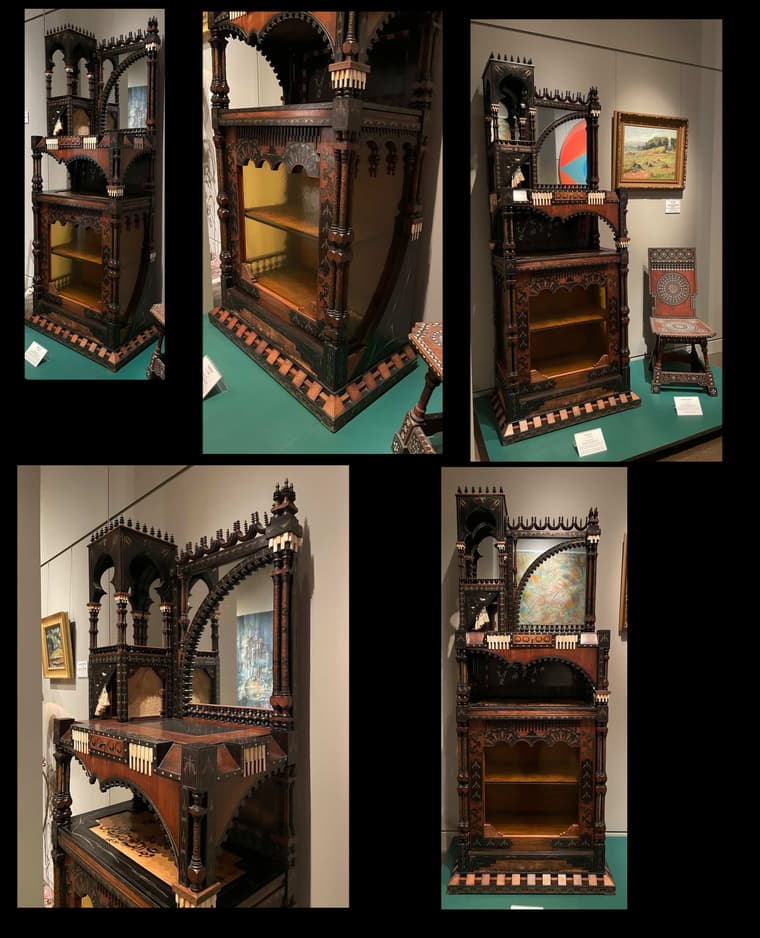
-
Magic.
-
@mike-amos thanks a lot
text IA
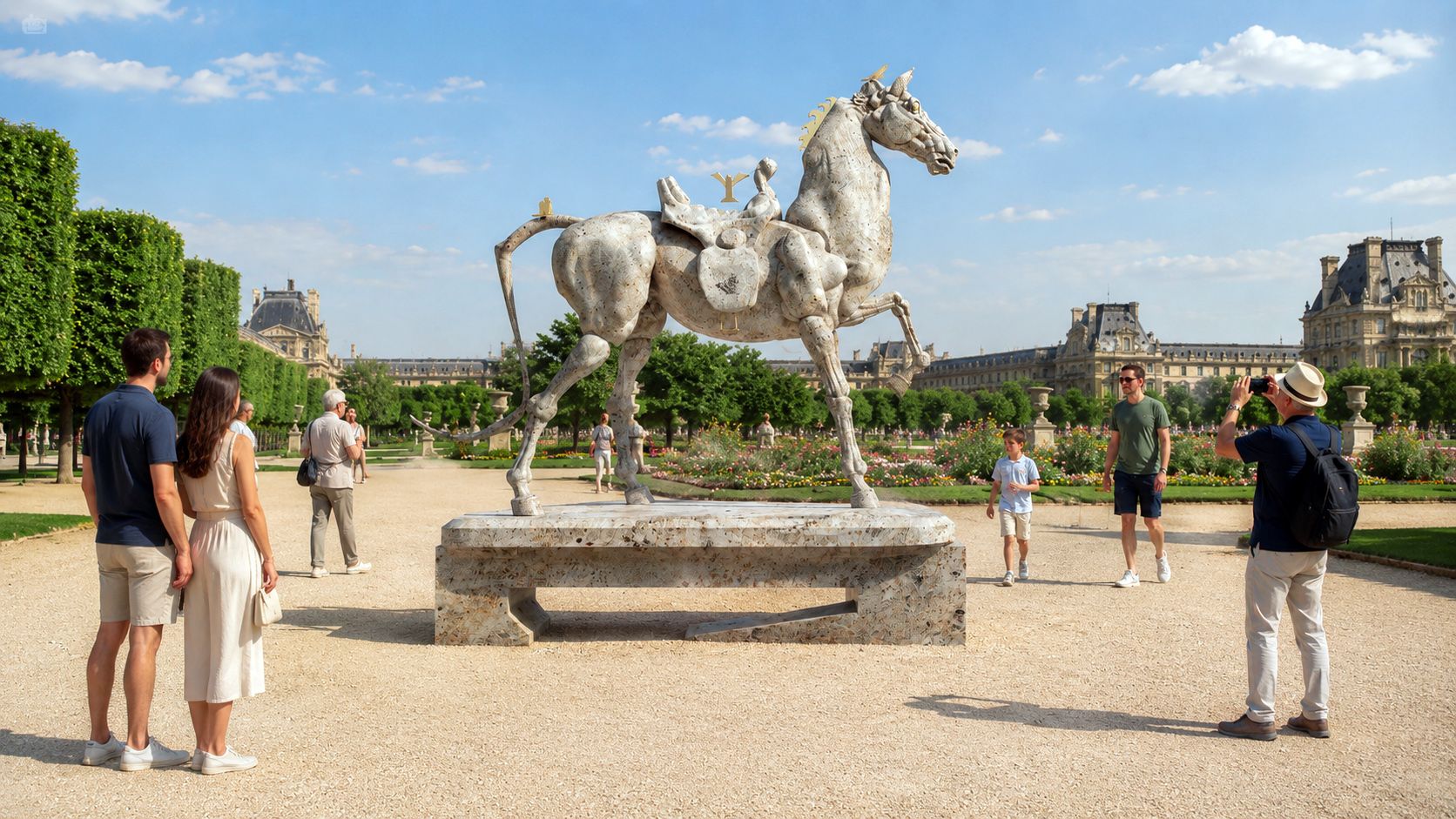
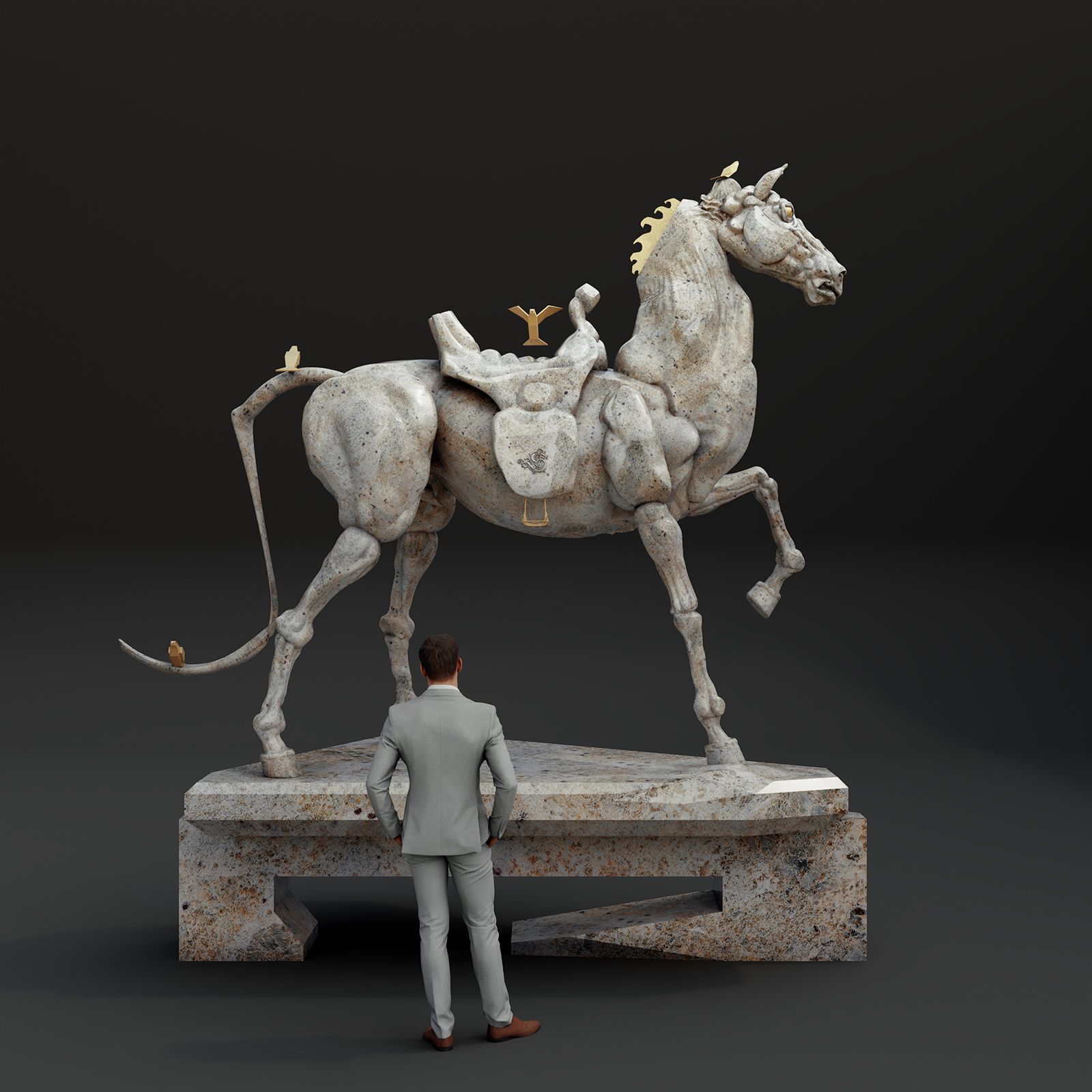
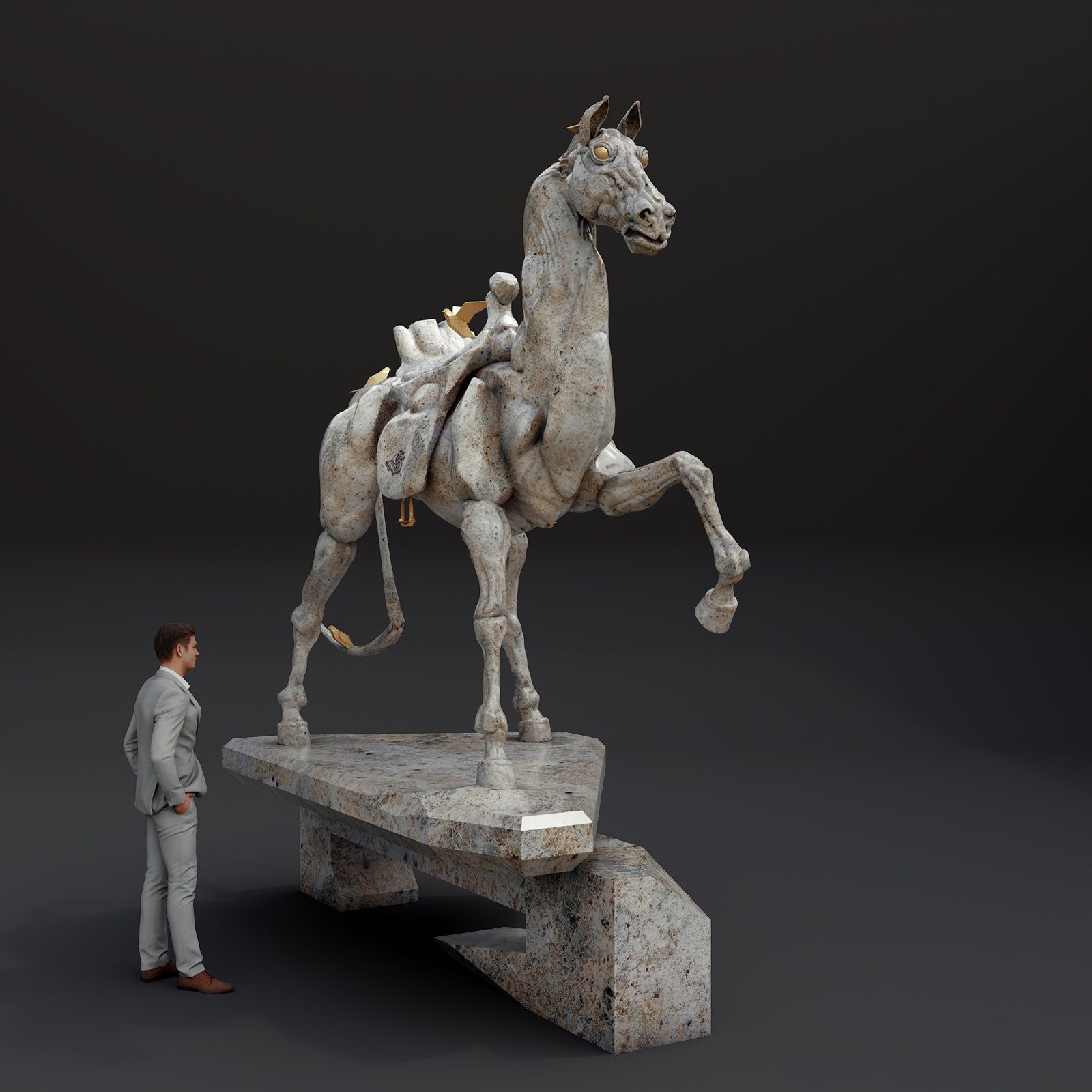
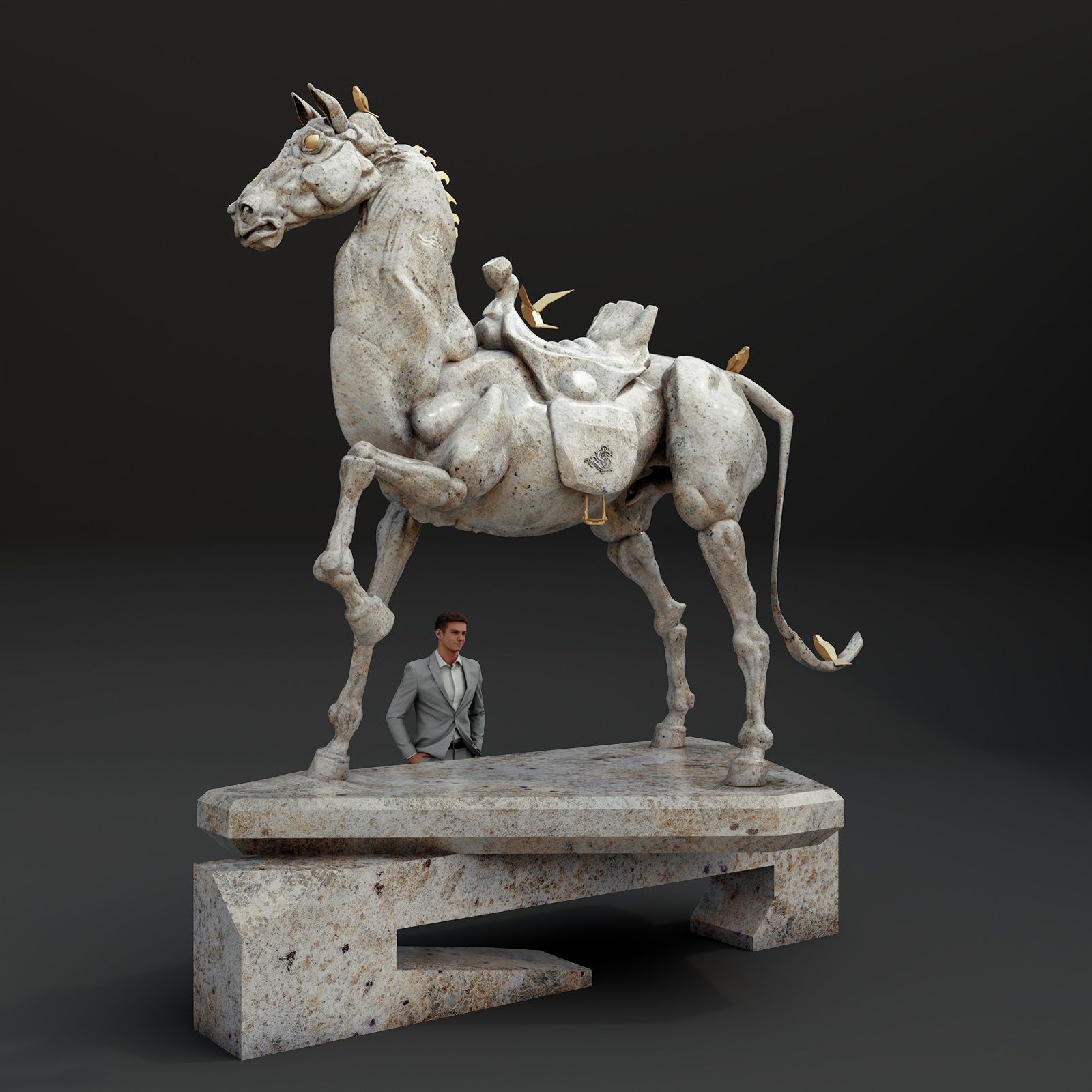
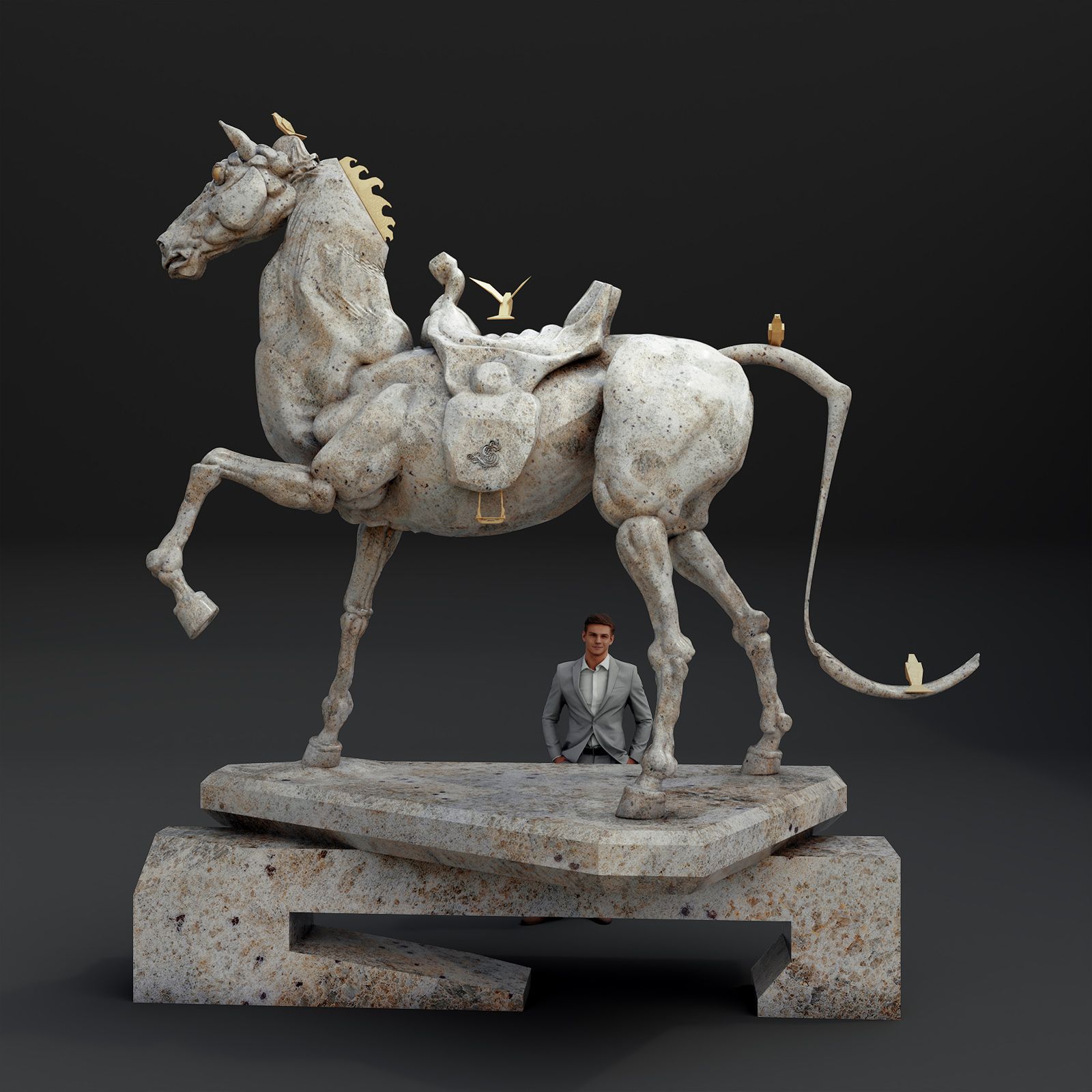
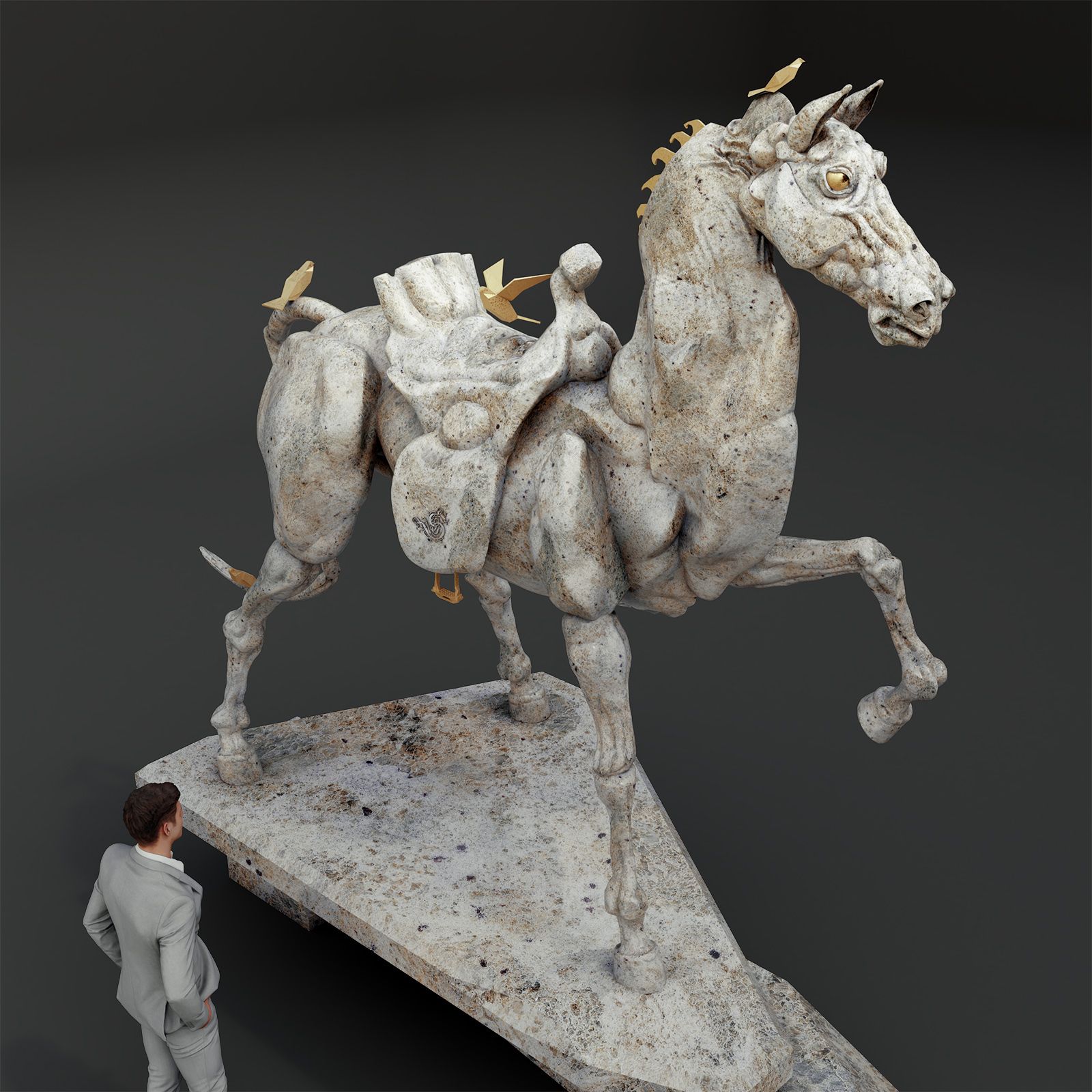
For my Knight Silence project, I worked this time on a proposal for an equestrian statue.
The idea was not to create a realistic horse, or even a simple stylized horse. The animal is deliberately surrealist: it retains the nobility and posture of a classic equestrian statue, but its anatomy is out of place, almost impossible, as if the silence itself had distorted the shape of the horse. He becomes a ceremonial creature, at once a mount, a reliquary and an apparition.
The material evokes a light, ancient, slightly worn stone, like a sculpture that has already stood the test of time. I like this contrast between the very traditional monumentality of the base and the strange, almost mental, character of the animal.
An important detail is found on the cast of the saddle: an illuminated letter S, for Silence. I wanted this sign to be not just a logo, but almost a heraldic mark, a discreet clue that connects the statue to the world of the character.
I then integrated this 3D rendering into a scene in the Tuileries Gardens, on a beautiful summer day. The Parisian décor, luminous and very real, allows us to measure the discrepancy: an impossible sculpture, but installed as if it naturally belonged to the public space.
Personal 3D project — rendering and integration around the Silent Knight.
Sculpted with Nomad/Ipad, then Zbrush. Some elements have been made with sketchup.
First AI-generated image from a 3d rendering.
Larger on these links
Last image, AI-generated references
https://zupimages.net/up/26/22/sq5e.jpg
https://zupimages.net/up/26/22/dxgp.jpg
https://zupimages.net/up/26/22/fhzd.jpg
https://zupimages.net/up/26/22/2cx2.jpg
https://zupimages.net/up/26/22/vh39.jpgReferences by IA
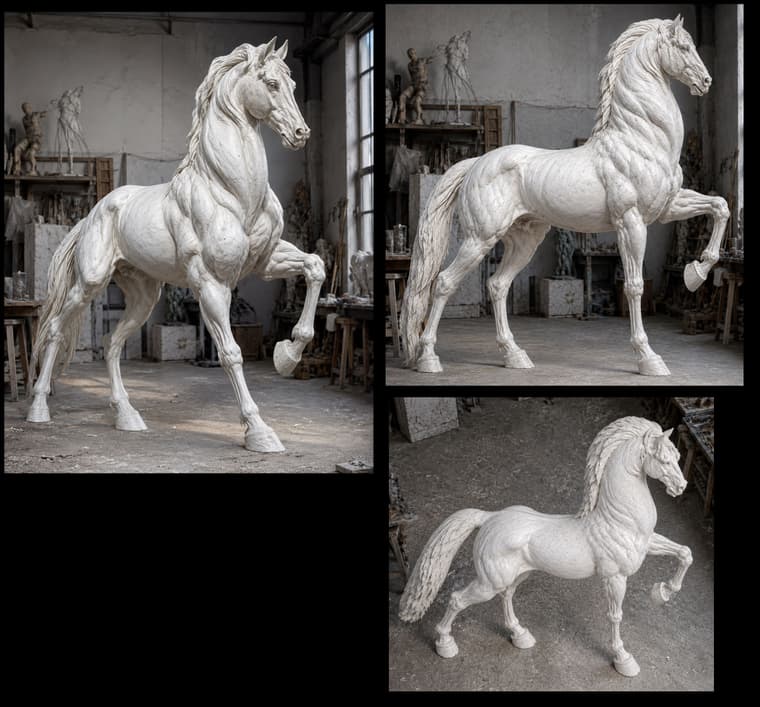
IA picture from a 3d render
3d renders
-
Un remake du cheval de César (le sculpteur)
(en plus académique
Pour ton orgue du chat tu ne peux rater le mien! https://moiscript.weebly.com/ziclaviers.html -
Merci Pipile, on peut voir ça comme ça en effet
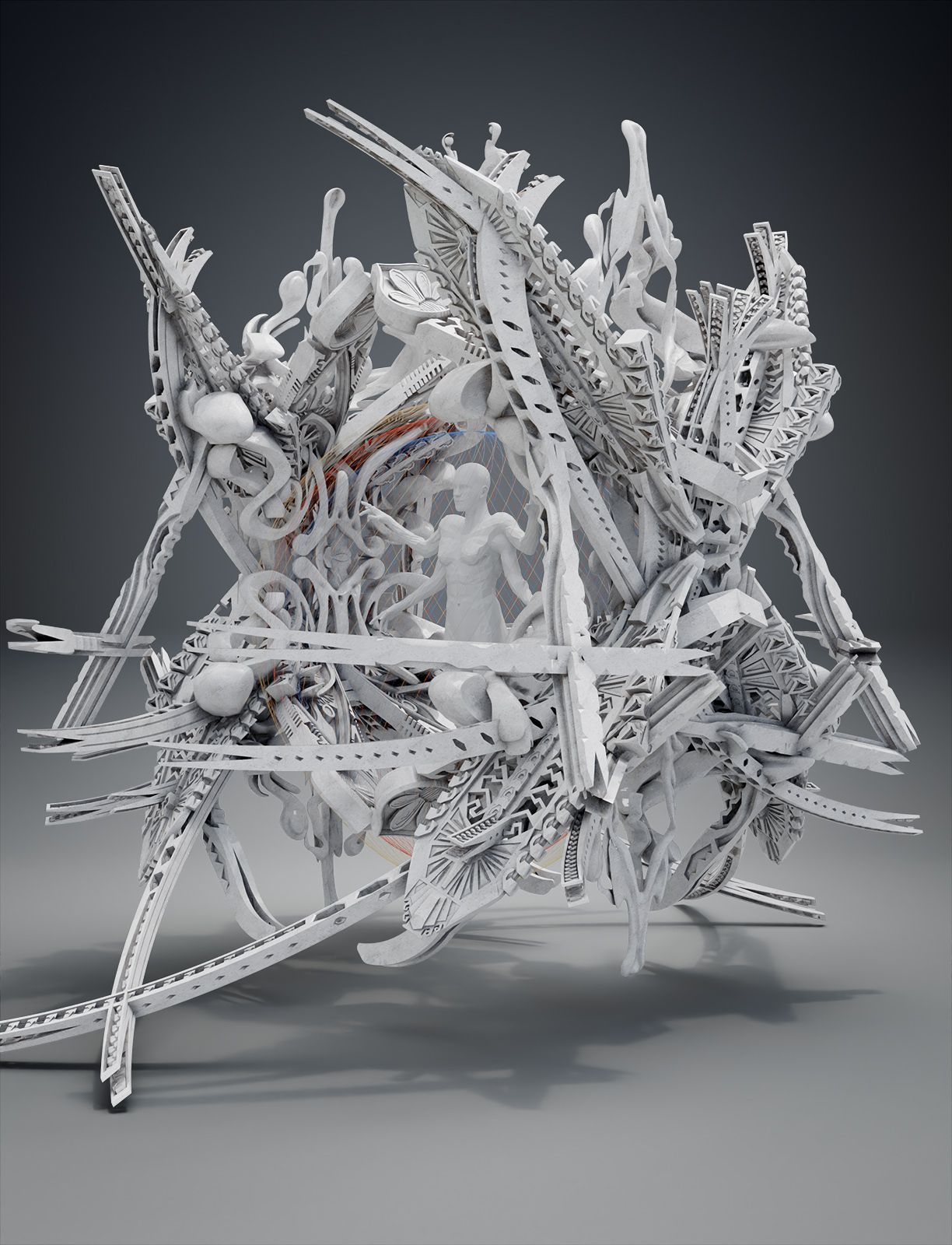
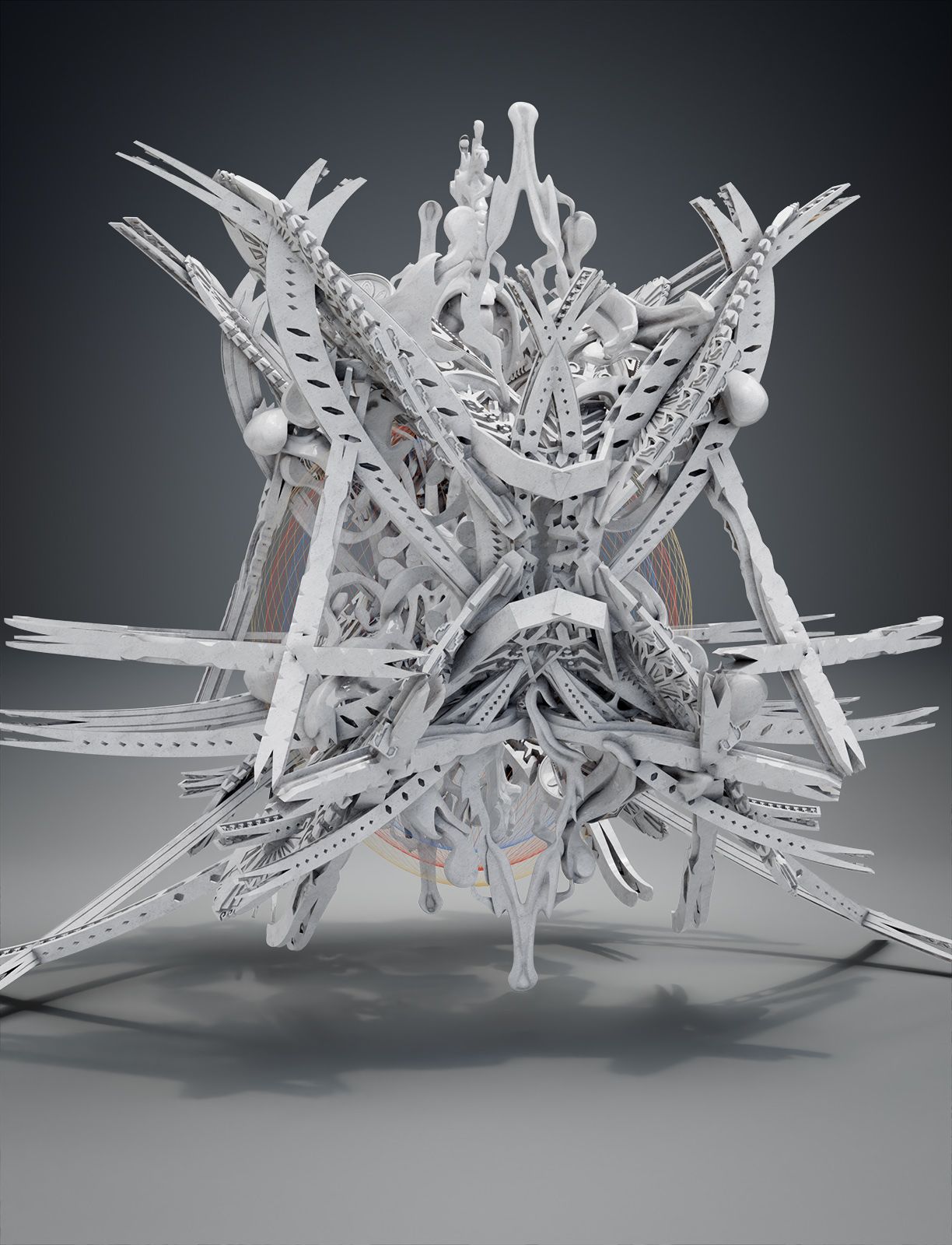
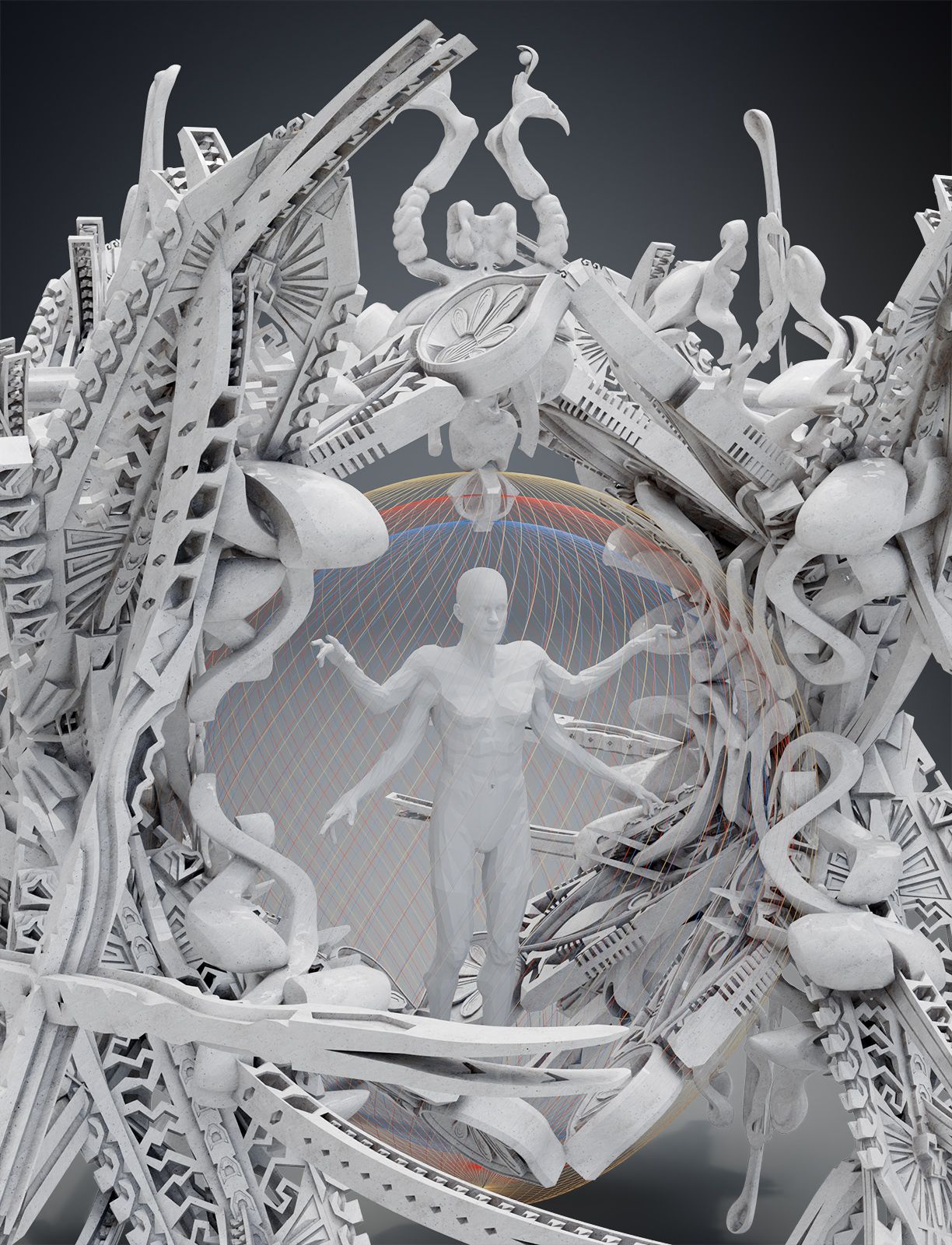
The Celestial Harp — Knight Silence project
Here are some early 3D renders of the harp designed for my character, the Knight Silence.
The figure in the center is only a temporary mannequin for now. It is there to show the scale of the instrument and where the knight will stand in relation to it.
The harp floats around the character like a sacred architecture: part musical instrument, part reliquary, part celestial mechanism. Its structure is complex, almost chaotic, with blades, tensions, hidden connections and ornamental fragments that seem to follow a logic we cannot fully read.
The instrument has three layers of strings, each one acting on a different spiritual layer. The idea is not simply that the knight plays music, but that the harp allows him to act upon invisible planes: matter, soul, memory and fate.
I imagine it as a kind of celestial chaos: not pure disorder, but a system of divine mechanisms, laws and hidden forces that remain beyond human understanding.
The harp was created using Nomad on iPad, SketchUp, ZBrush and Blender.
Bigger sizes here
https://zupimages.net/up/26/23/ohe5.jpg
https://zupimages.net/up/26/23/qois.jpg
https://zupimages.net/up/26/23/8cda.jpg
https://zupimages.net/up/26/23/weab.jpg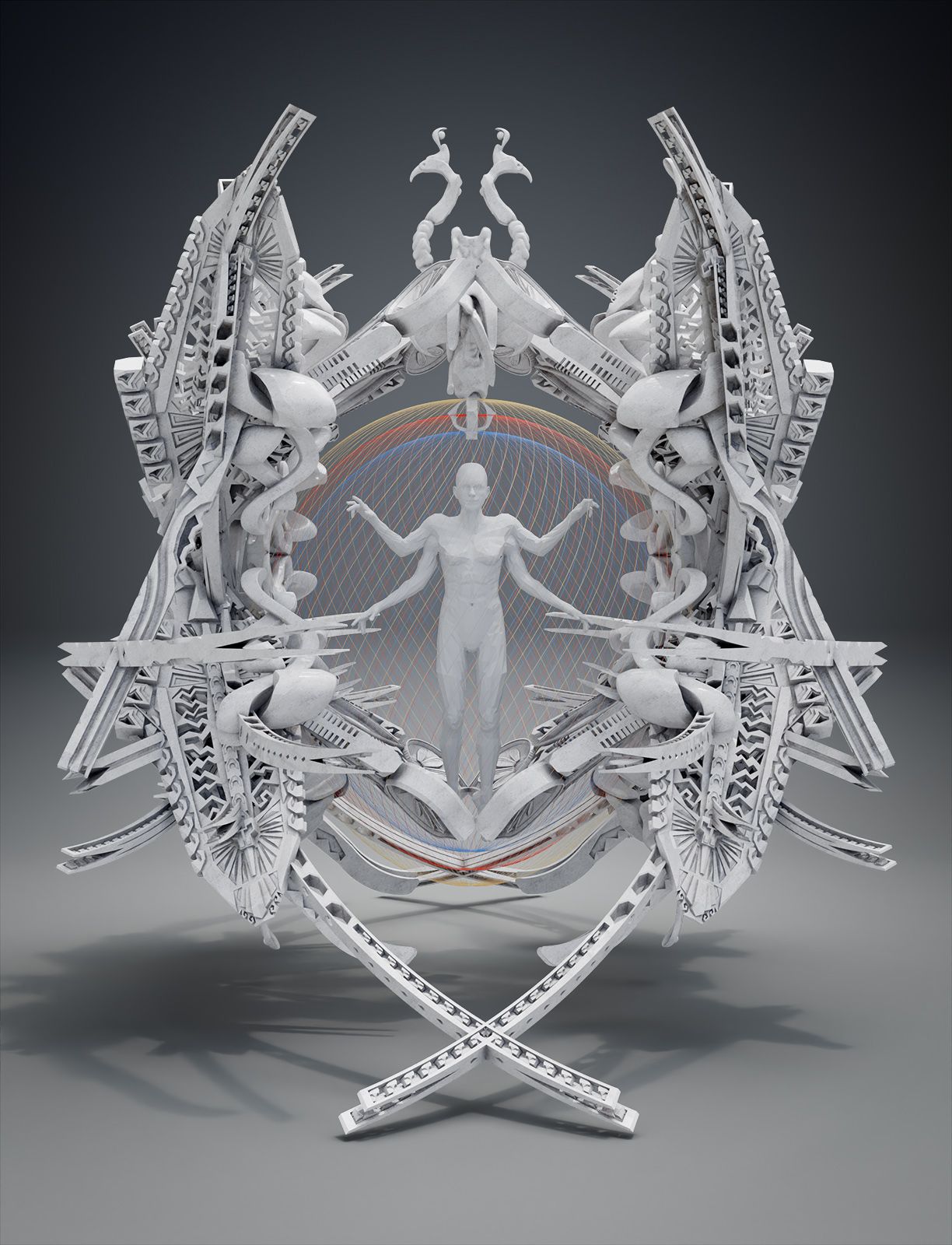
-
Hé dis donc ton site n'est pas sécurisé il faut que tu te débrouilles pour le passer en https sinon les navigateurs ne te chargent pas!
-
Solved. Some DNS issues. Thanks Pipile
-
Cracking. Always innovative and spectacular in execution. Tres bon.
-
Merci beaucoup Mike. Thanks a lot
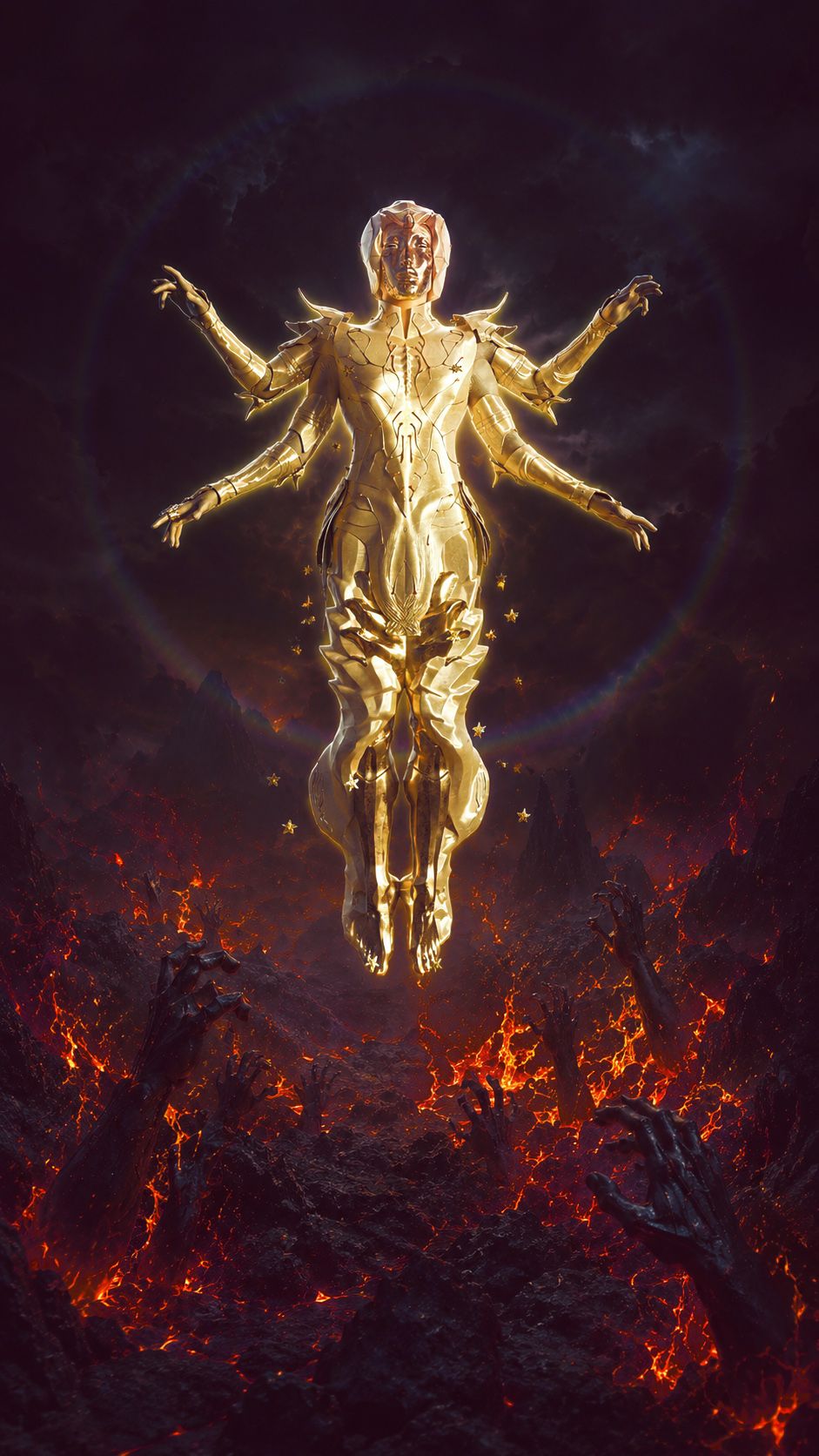
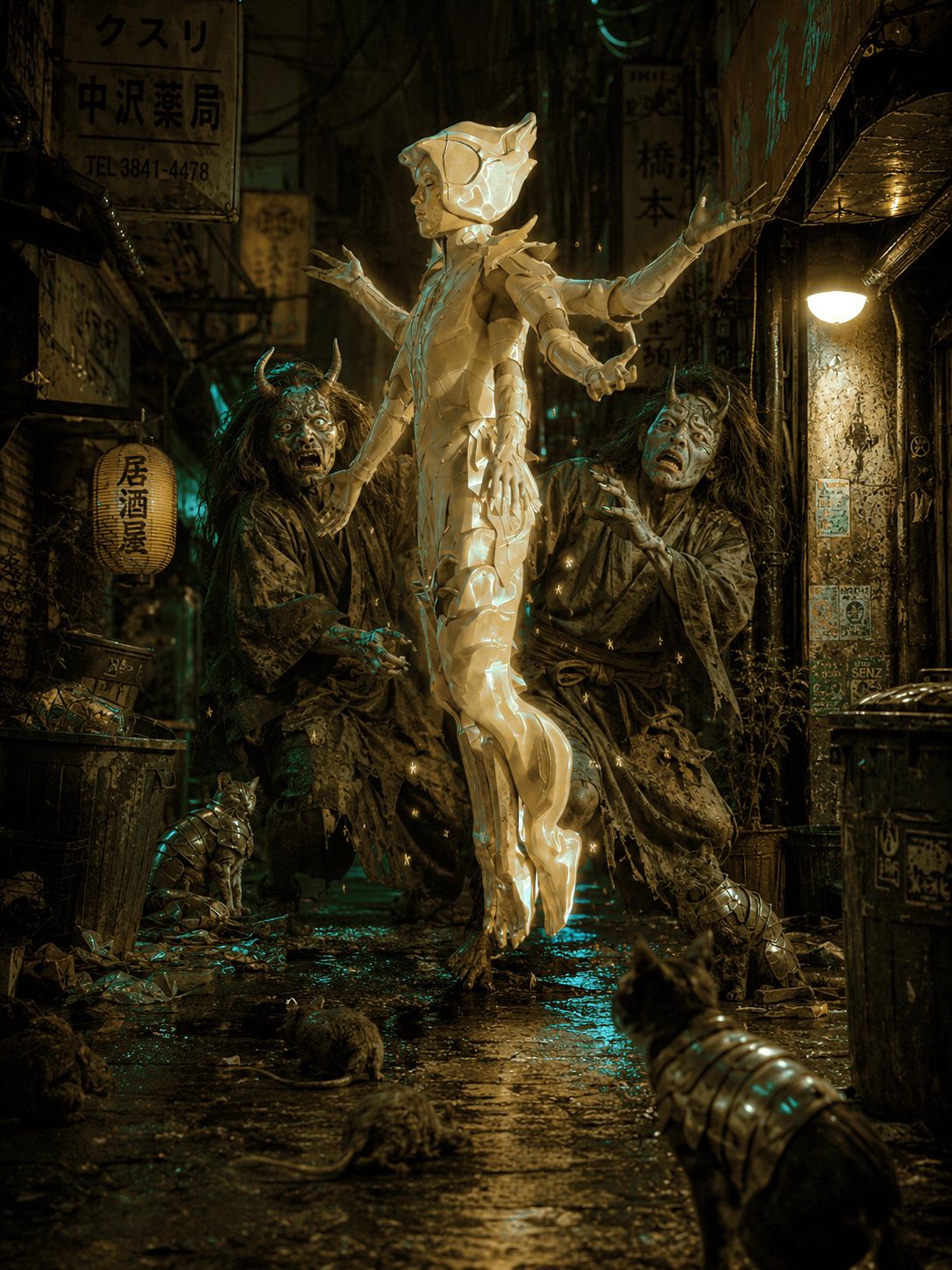
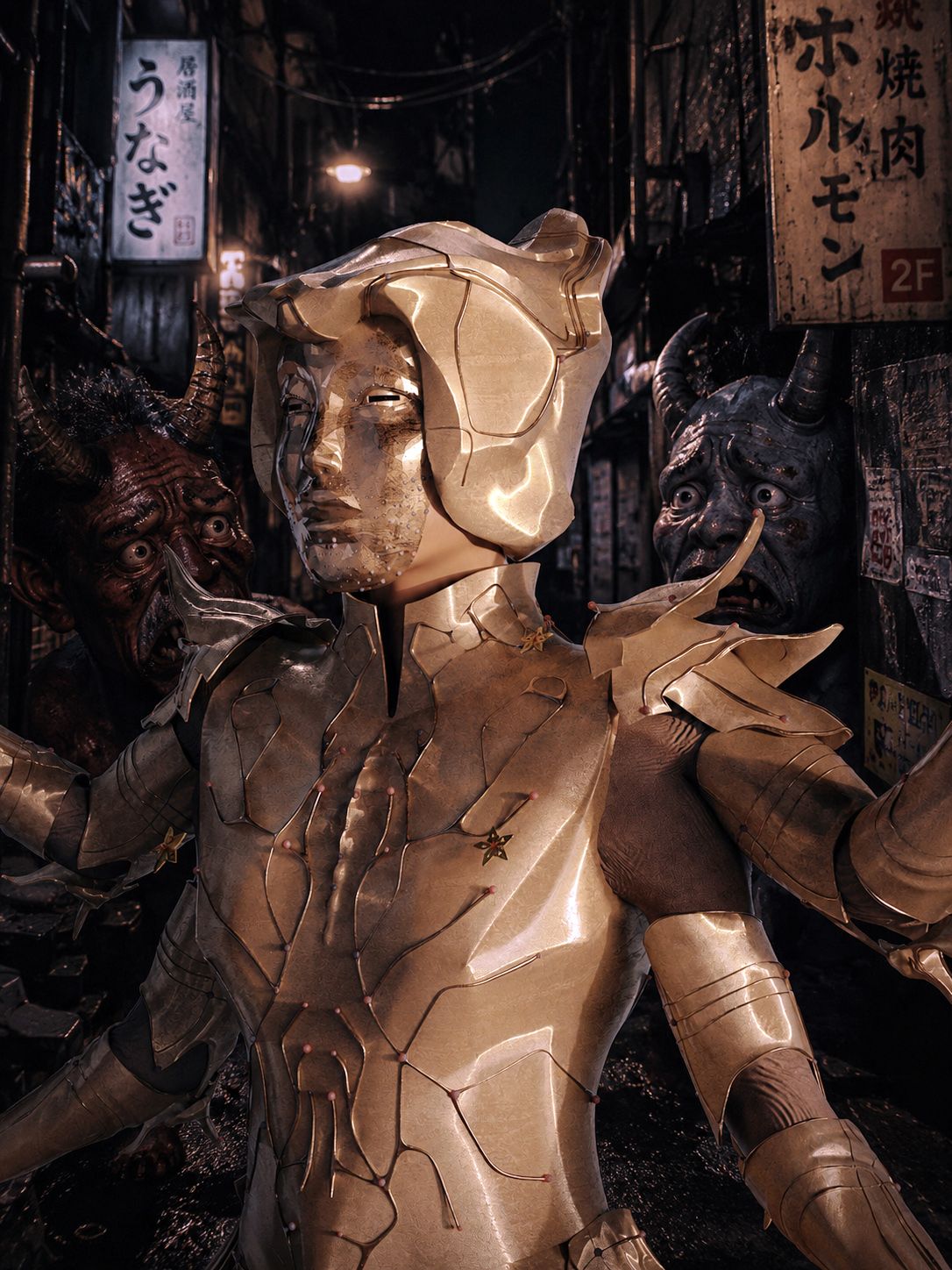
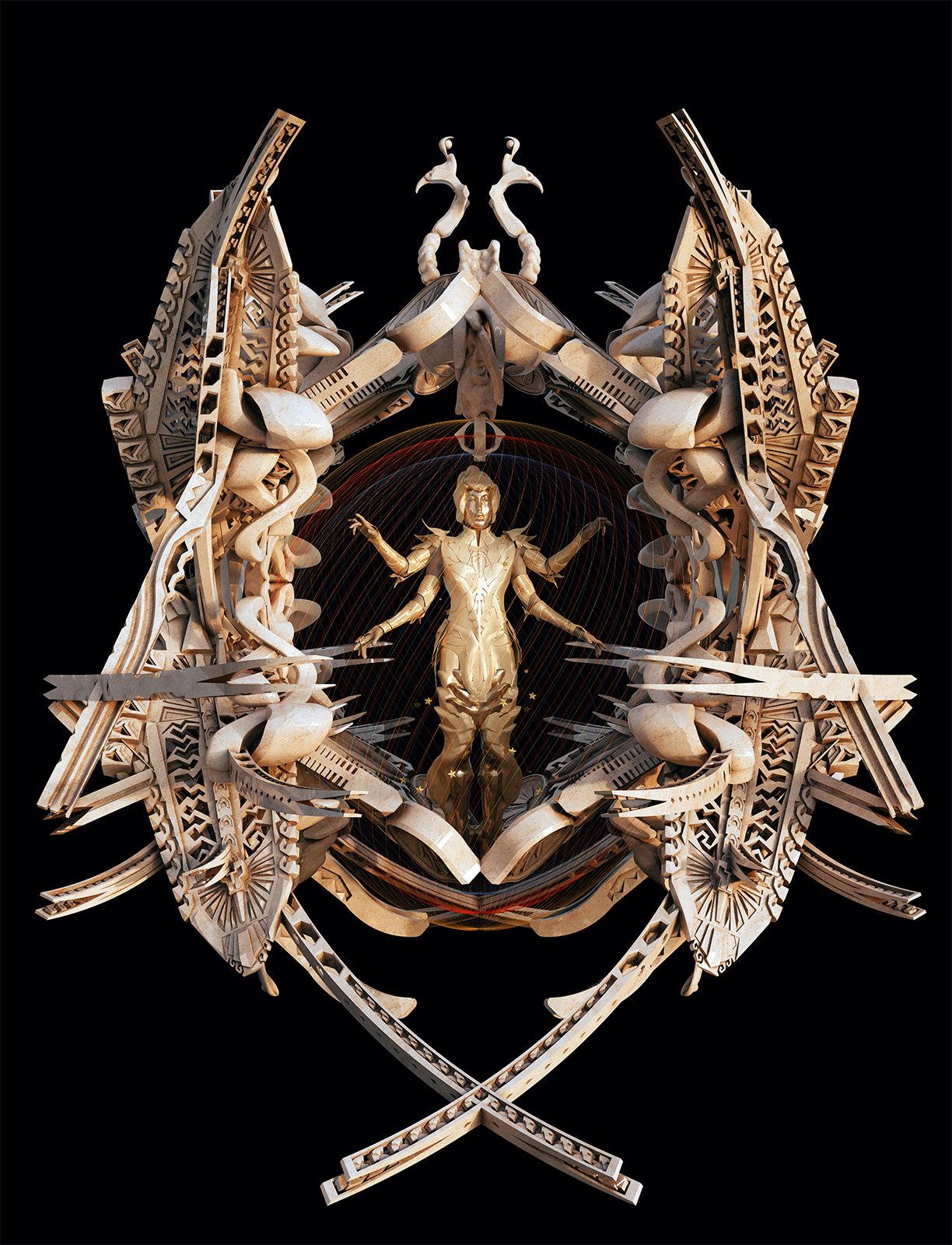
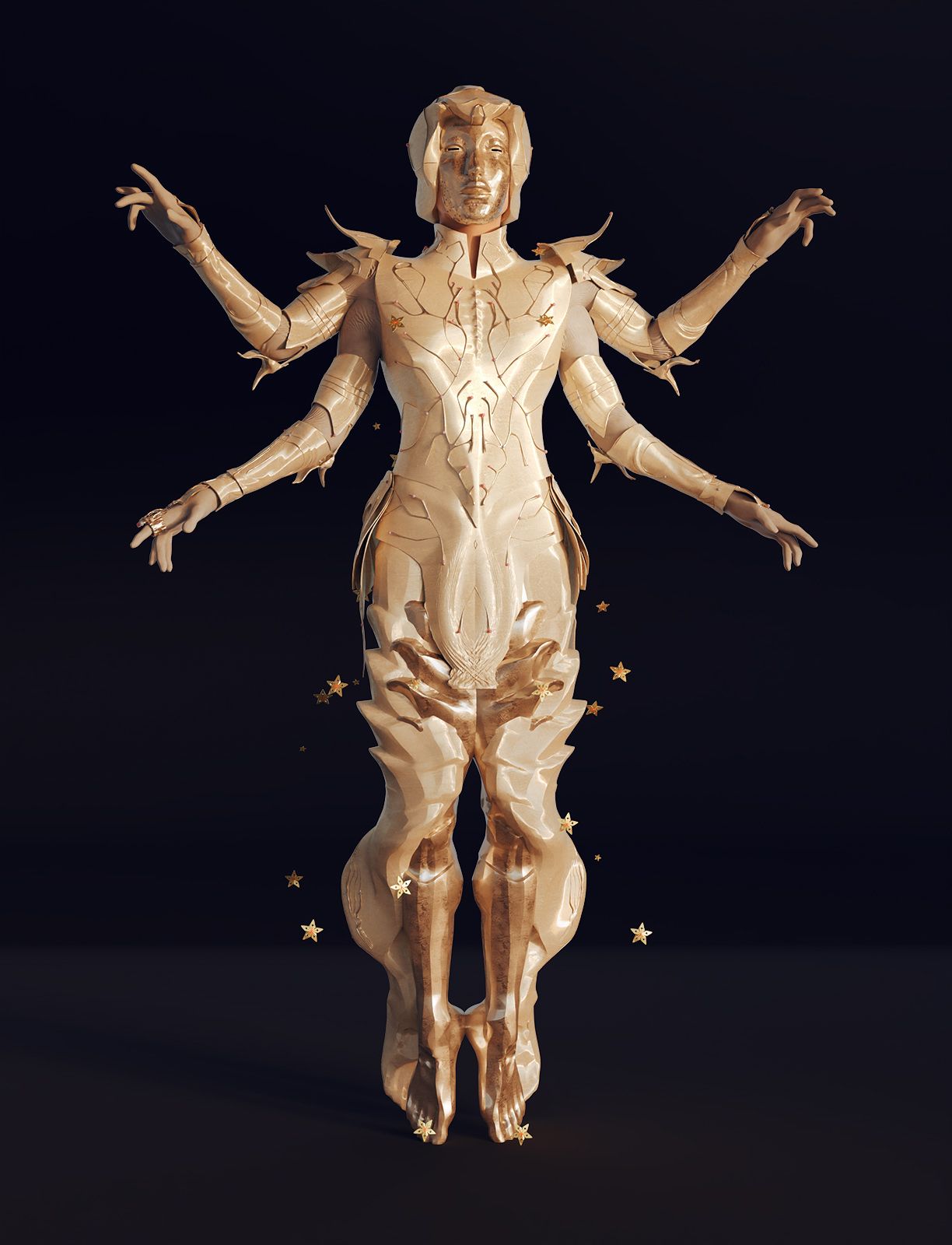
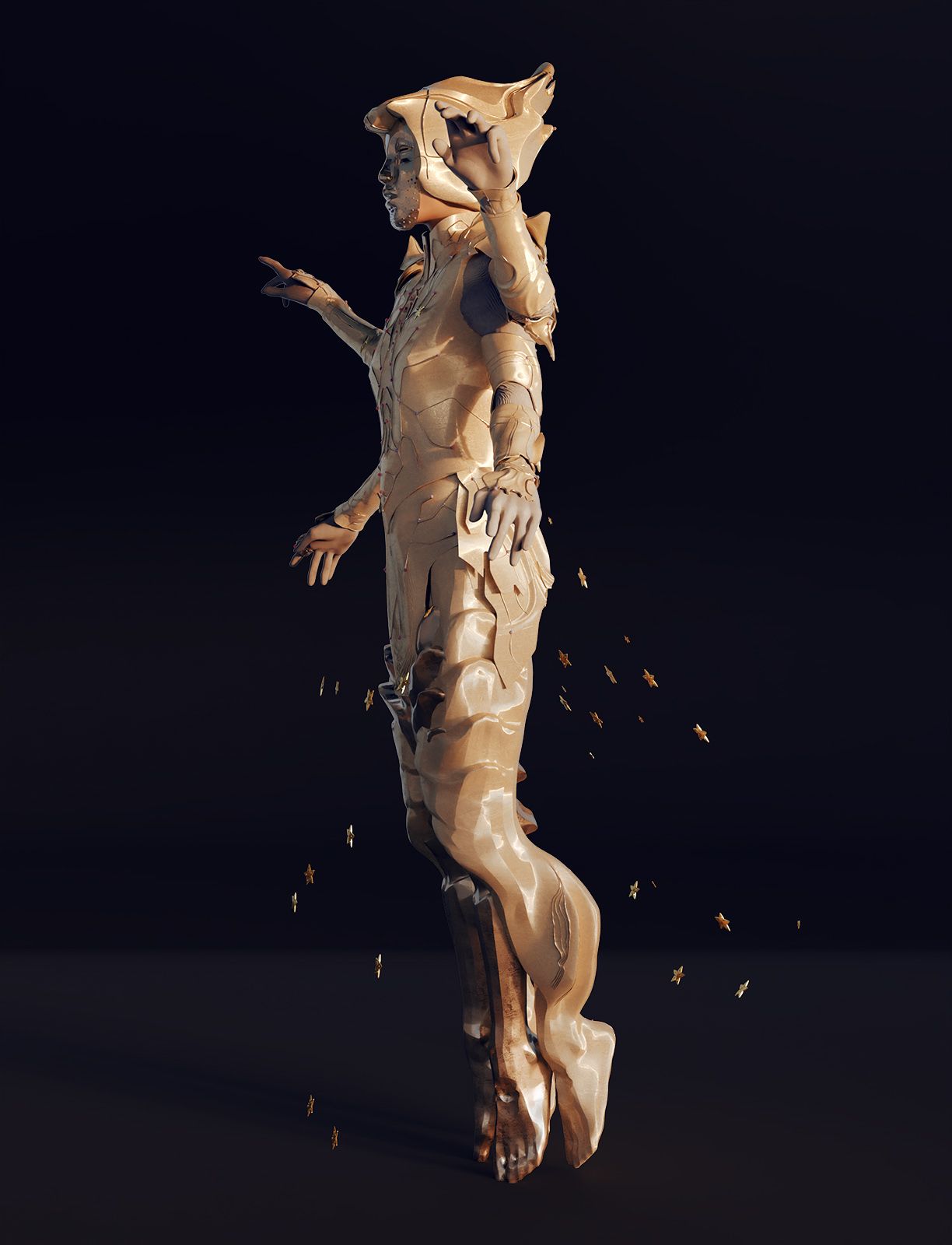
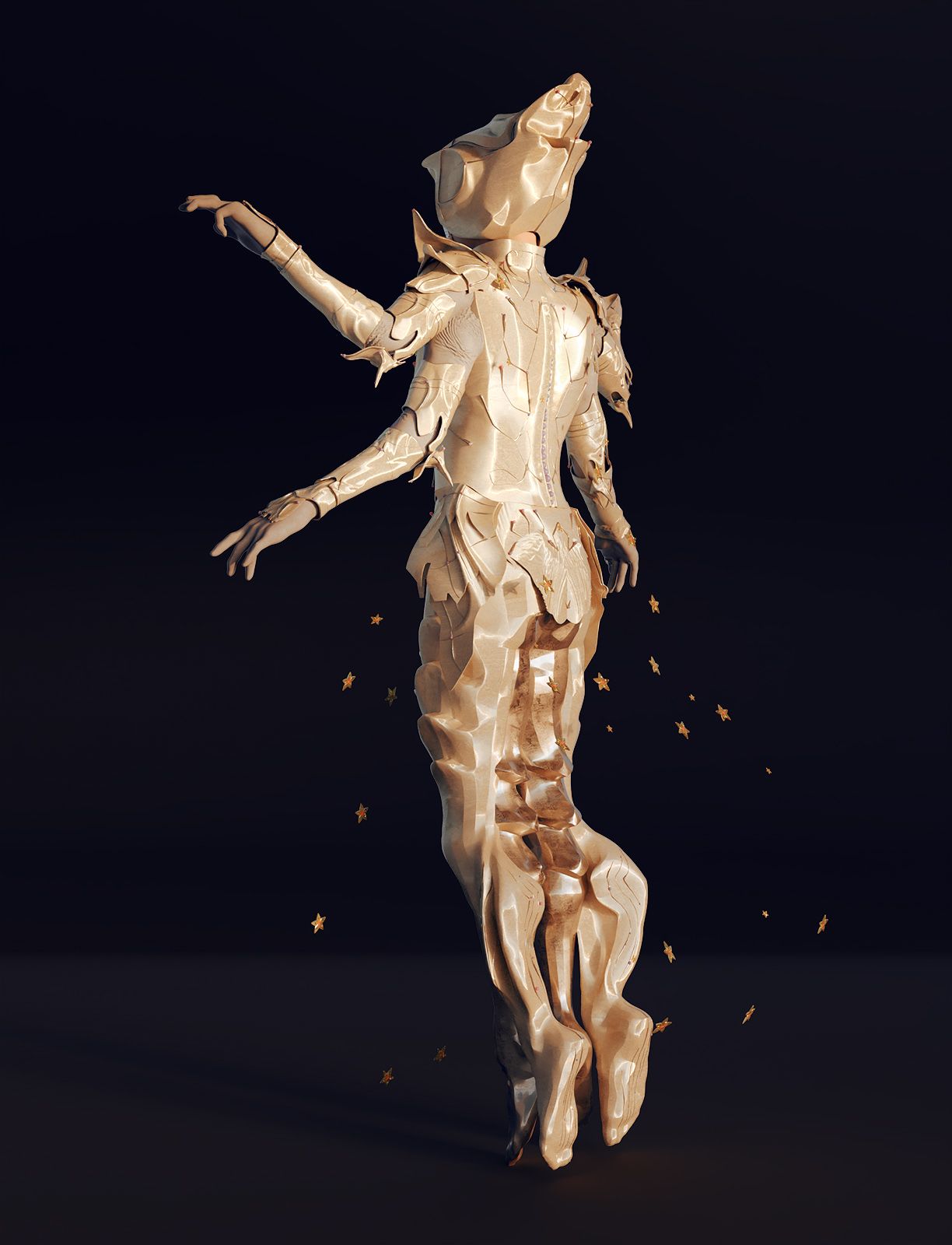
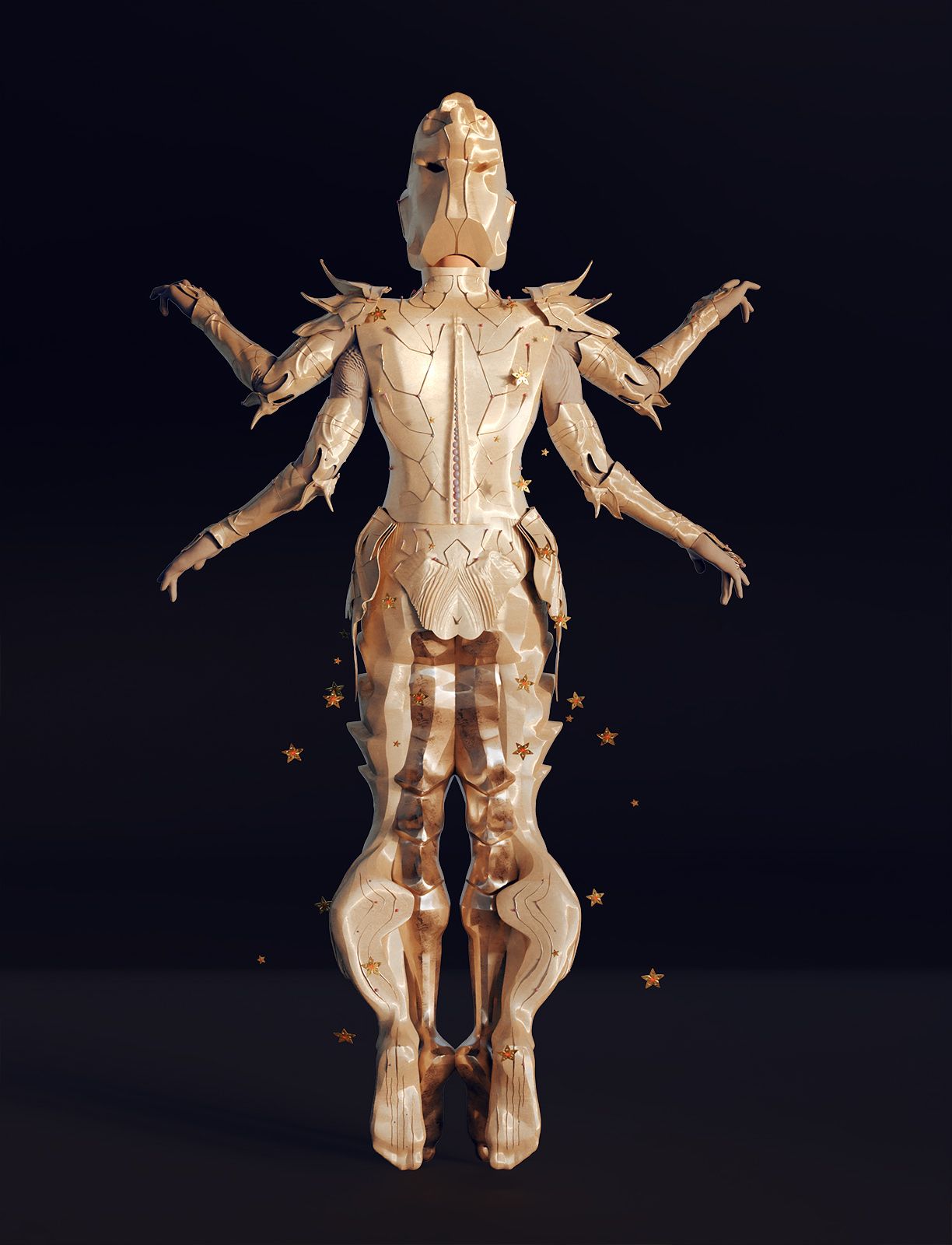
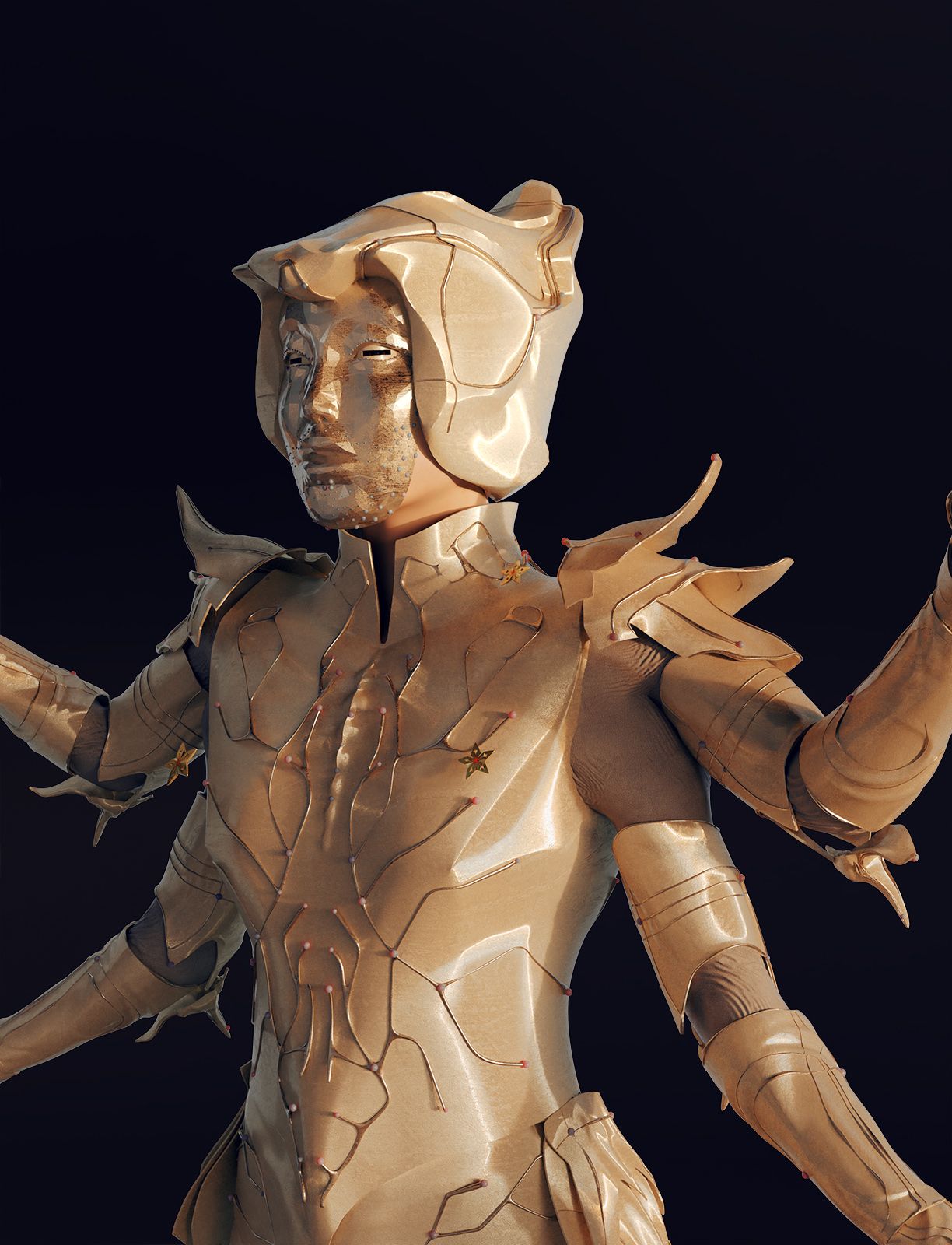
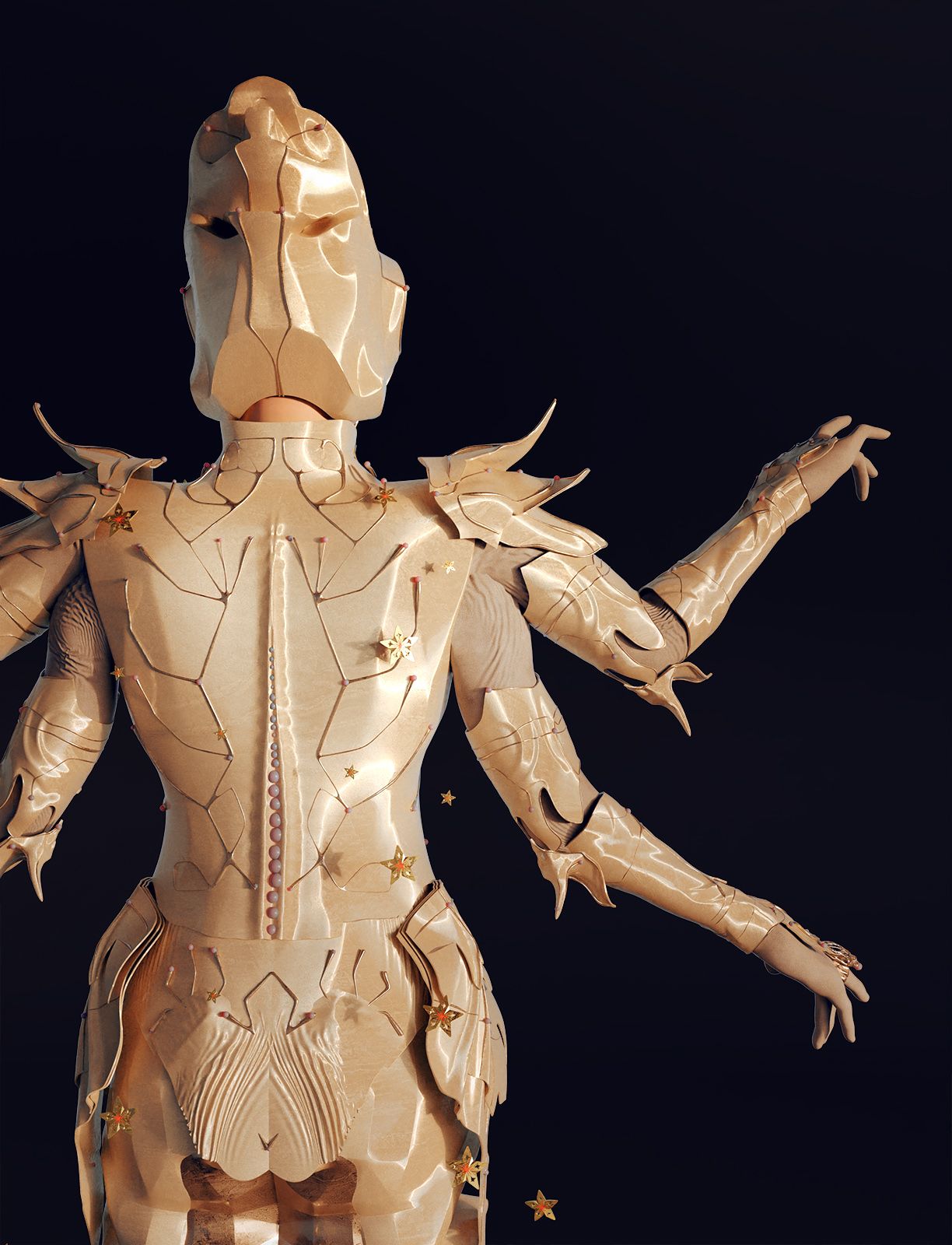
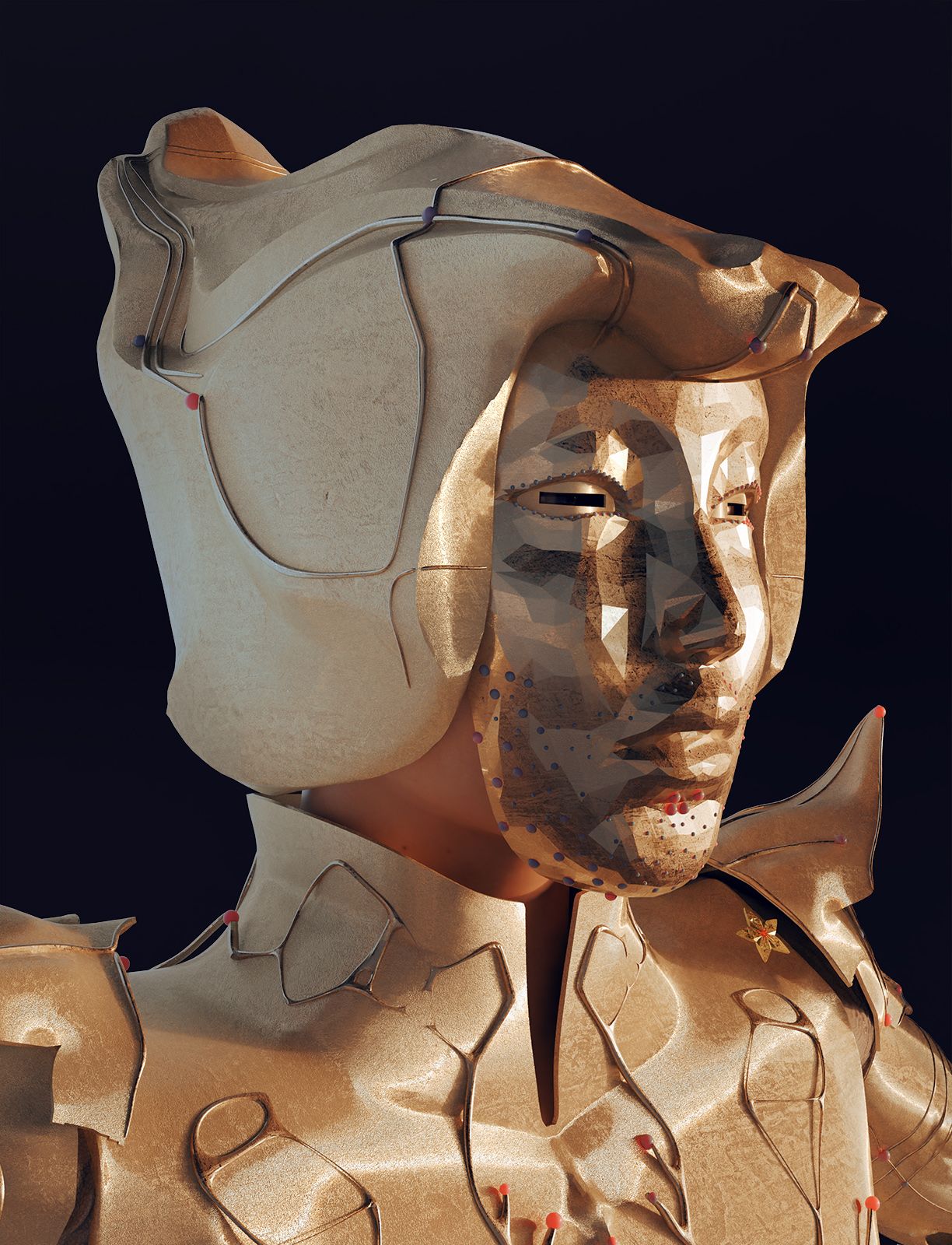
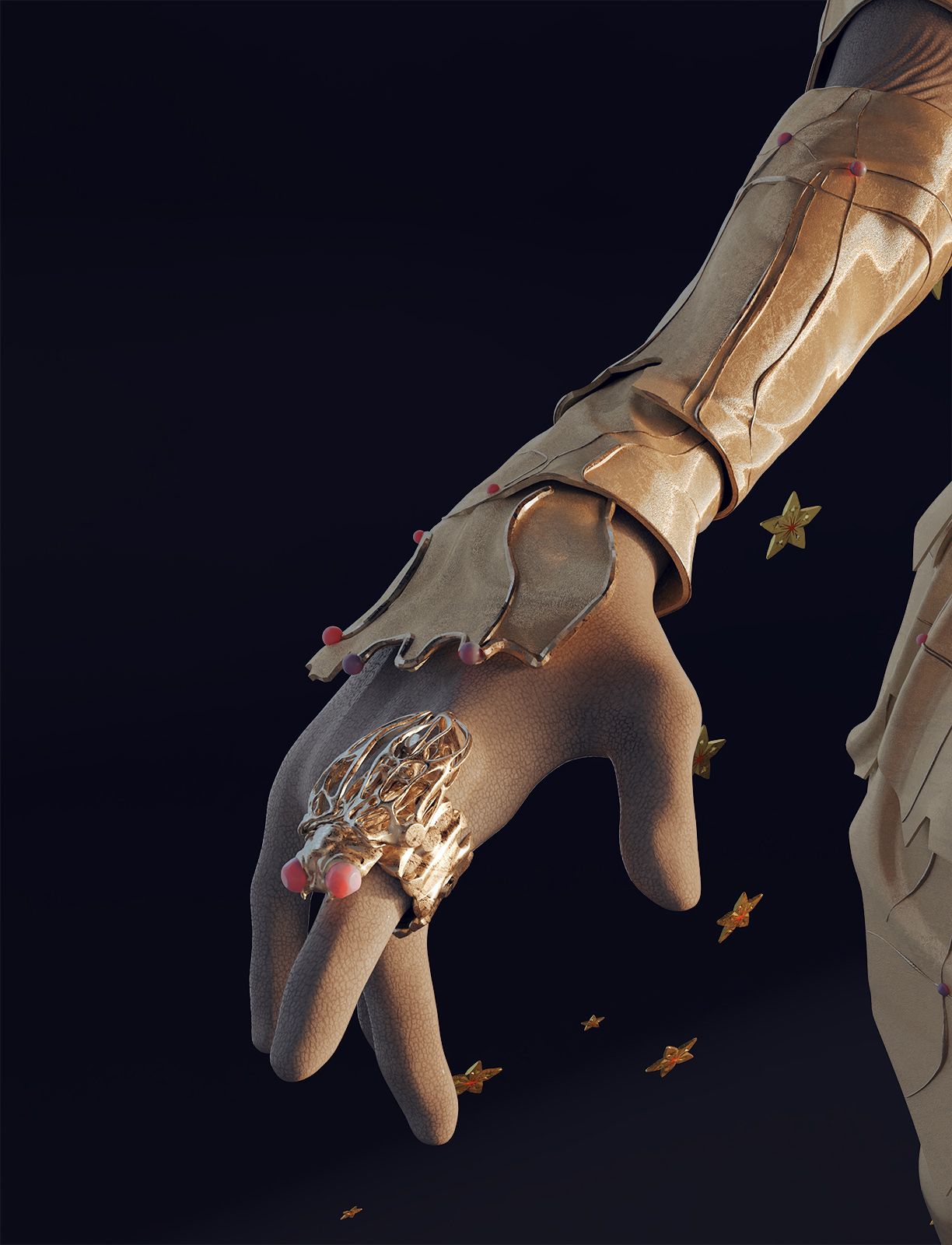
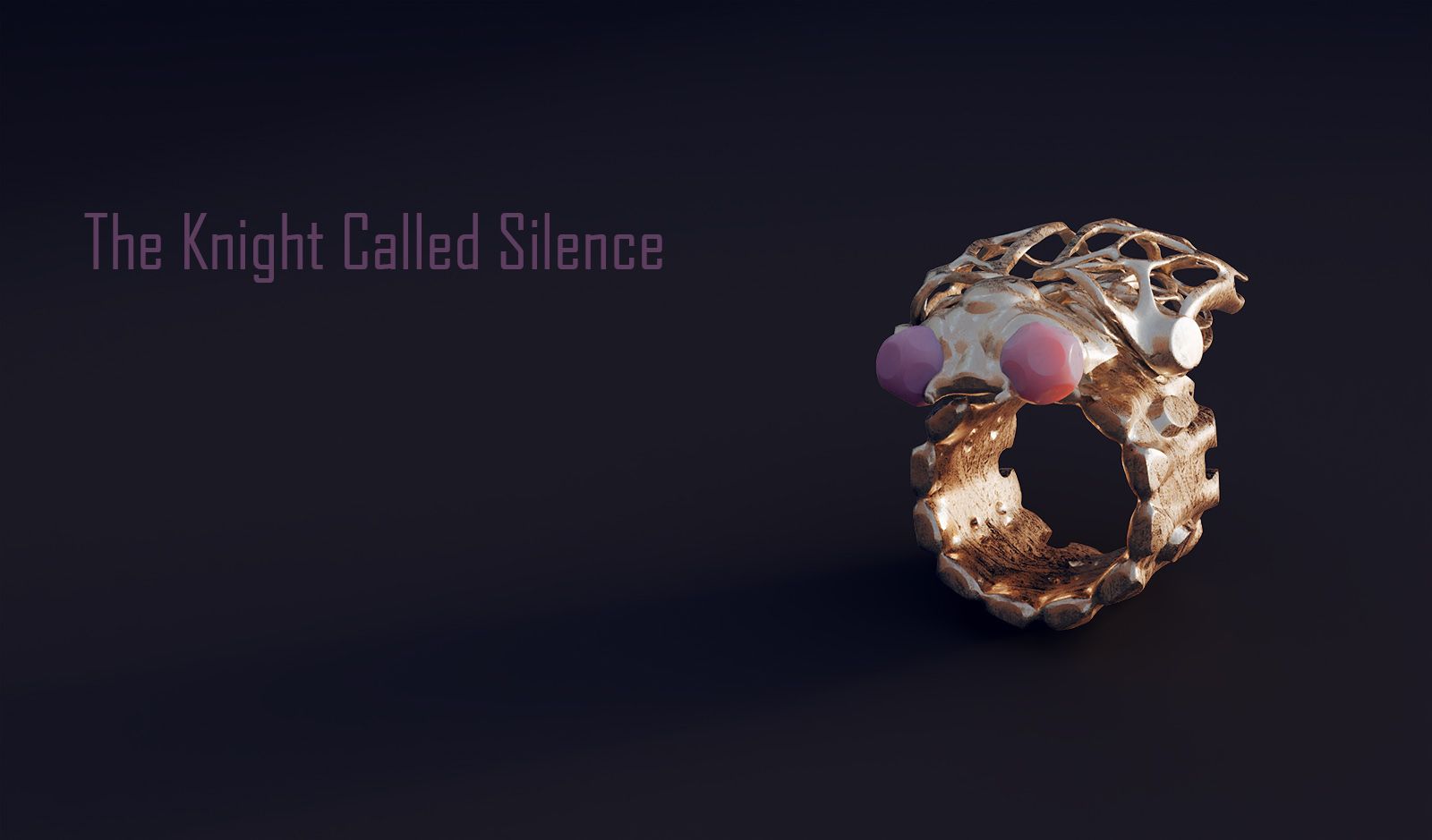
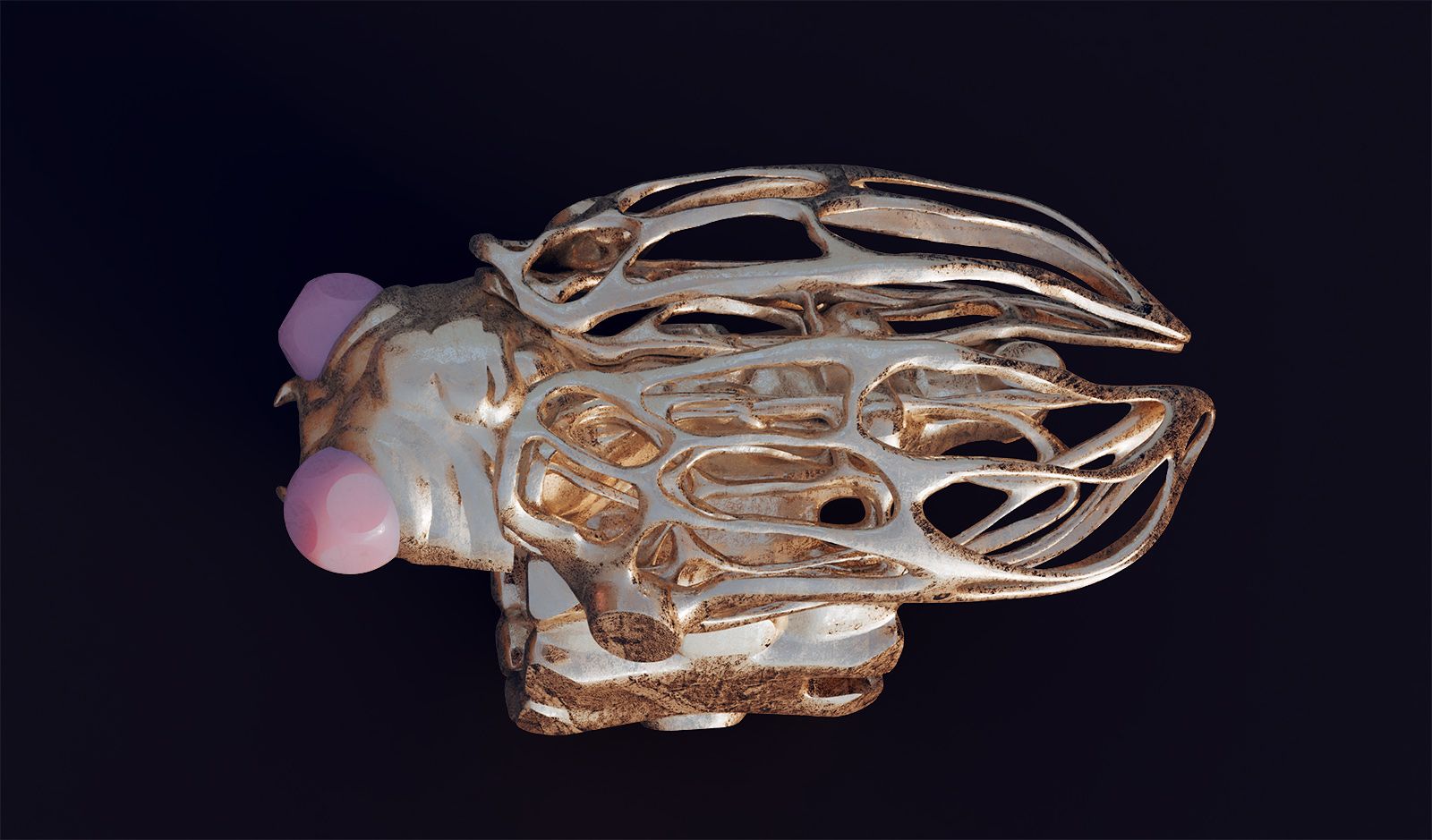
The Knight Called Silence, the final version.
The first three images were generated with AI from 3D renders.
You can download the high-resolution images here:AI text, edited by me.
For some time now, I have been developing a 3D project around the Knight Called Silence, as a counterpart to the Four Horsemen of the Apocalypse I created previously.
Silence is an ambiguous character, somewhere between a medieval figure, a sacred apparition, and an almost mechanical being. In the legend, Silence is a woman raised and presented as a man: I wanted to preserve that tension in the design, with an androgynous, hieratic silhouette that is difficult to classify. The armor is not merely protection: it becomes a second skin, a ritual object, almost alive.
Around the character, I am building an entire universe.
First, there is the Celestial Harp, an immense structure surrounding the knight. It is not conceived as a simple instrument, but as a spiritual machine: its different layers of strings act on several invisible levels of reality, the Celestial Spheres. It represents a form of divine chaos, a system whose laws exist but remain hidden from humans.
The project was created in 3D using several tools: Nomad Sculpt on iPad, SketchUp, ZBrush, and Blender.
Silence is not merely a knight. It is an apparition. A calm force. A figure of passage between the visible and the invisible, between gender, the sacred, war, music, and metamorphosis.
-
The Lion, larger version available here:
https://www.mediafire.com/file/bz4vs0w0u8p6wzv/Lion.zip/fileAI text
After Aries, I’m continuing my series of Stands (Jojo bizarre"s adventure, Crusaders) inspired by the European zodiac signs with Leo.
The idea remains the same: to imagine each sign not simply as a personification, but as an autonomous entity, a Stand with its own presence, energy, and visual logic.
For this Leo, I wanted to move away from the classic heroic or solar feline. The character became a kind of cat-warrior, at once elegant, martial, and slightly unsettling. It is shown in the momentum of a spectacular kick, facing a head suspended in mid-air.
This head represents a major capitalist boss, caricatured as a massive, sardonic face wearing a top hat and smoking a large cigar. This is the figure the Stand is fighting: a deliberately theatrical, satirical, and symbolic image.
The character’s model is inspired by a friend’s cat, which gives the project a more personal starting point. The cat’s body comes from MakeHuman. The rest was created with Nomad on iPad, SketchUp, ZBrush, and Filter Forge for the textures and patterns.
The final render, set in a post-apocalyptic cyberpunk environment, comes from AI work based on a photo and 3D renders of the project.
As often, AI is not the sole starting point here, but rather a staging step: it allows me to place the sculpture back into a broader narrative context, like a poster or a scene taken from an imaginary universe.
Astrological Stand — Leo.
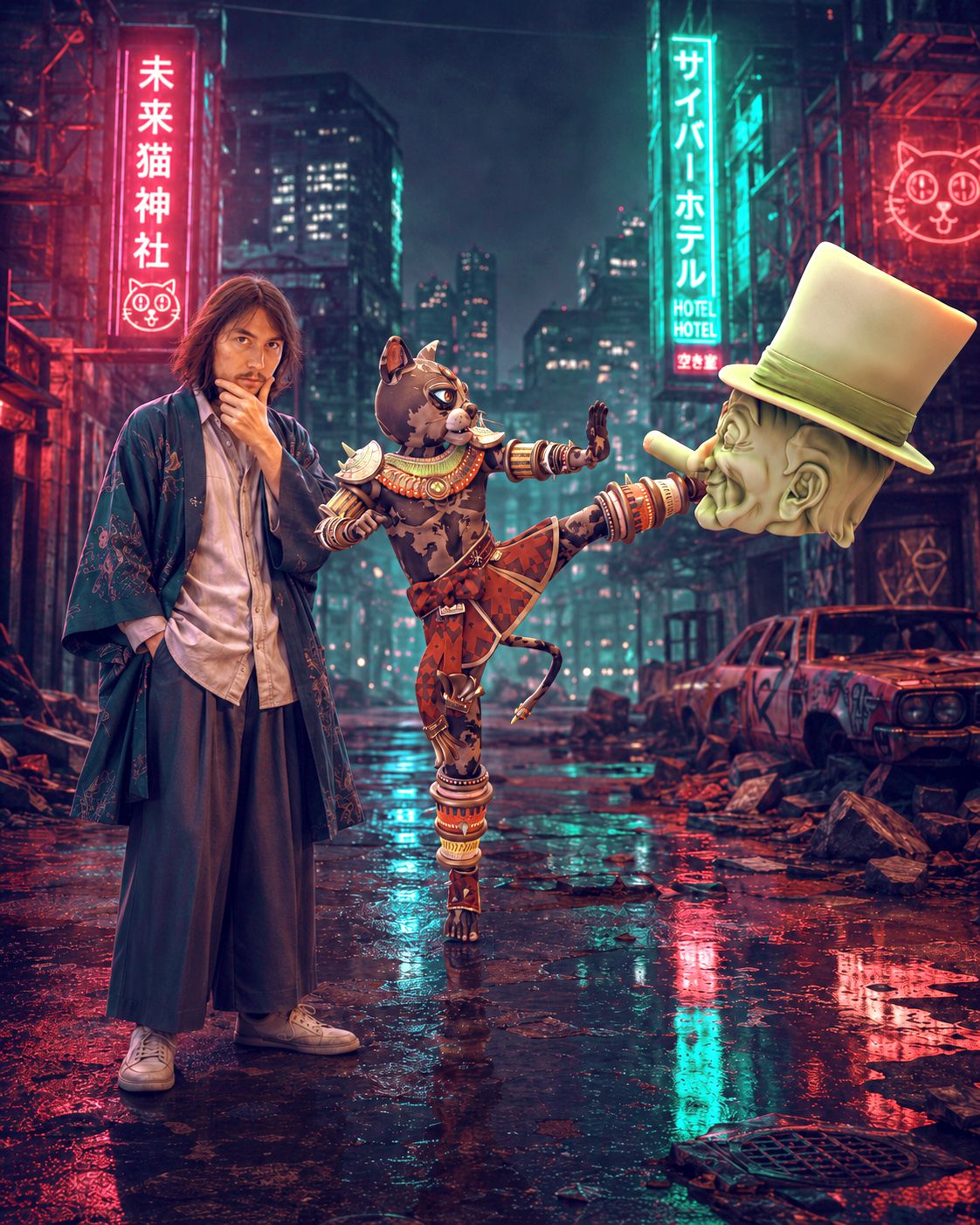
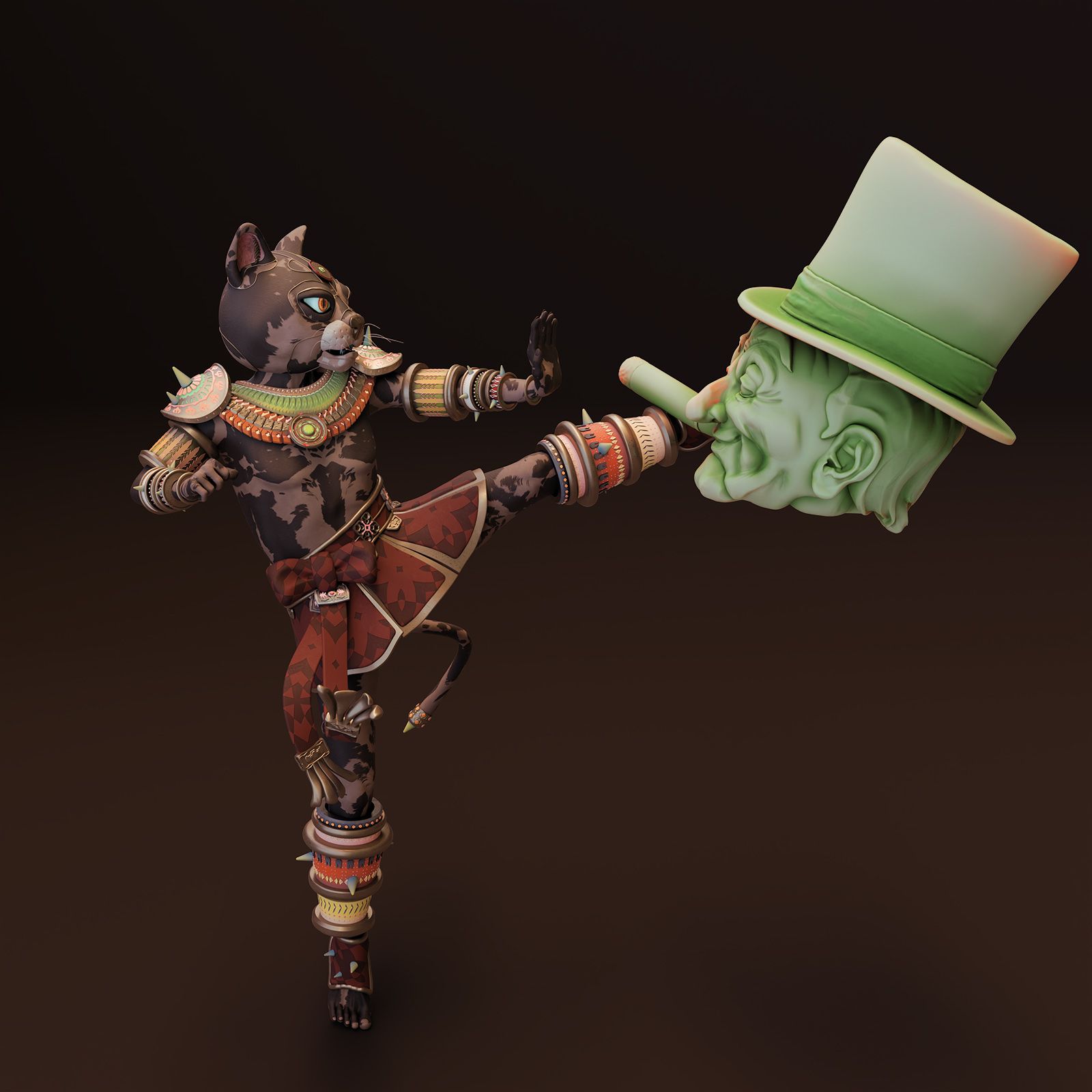
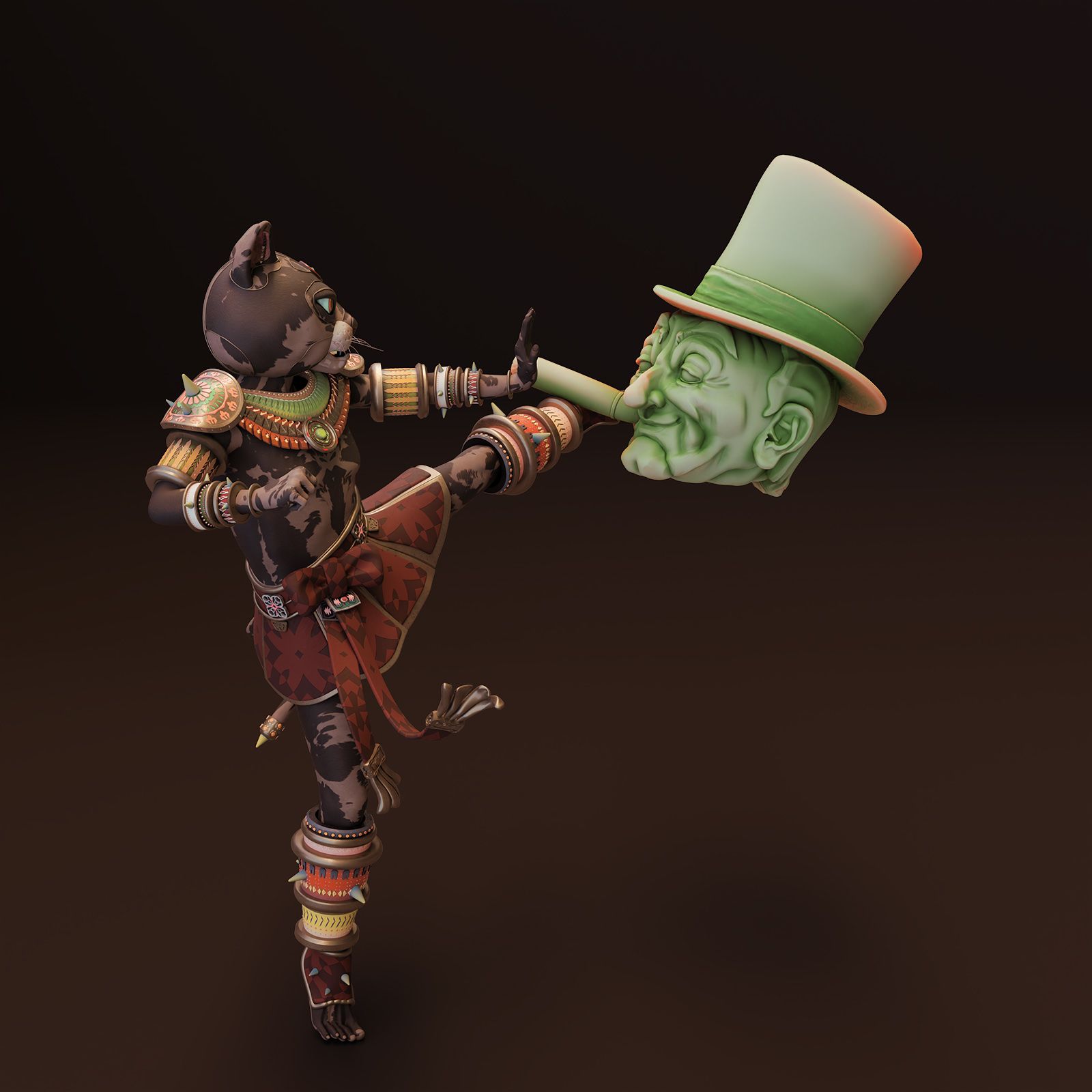
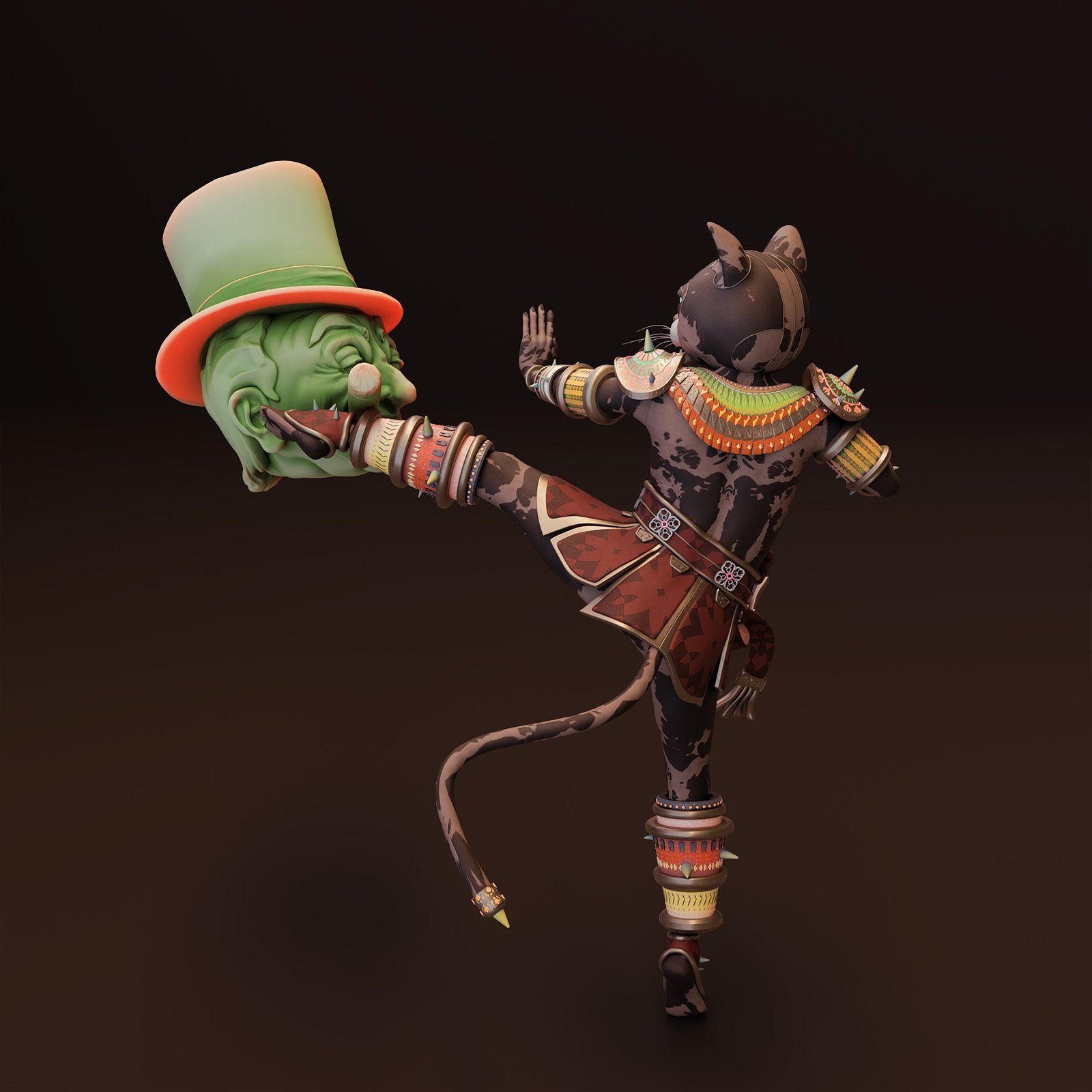
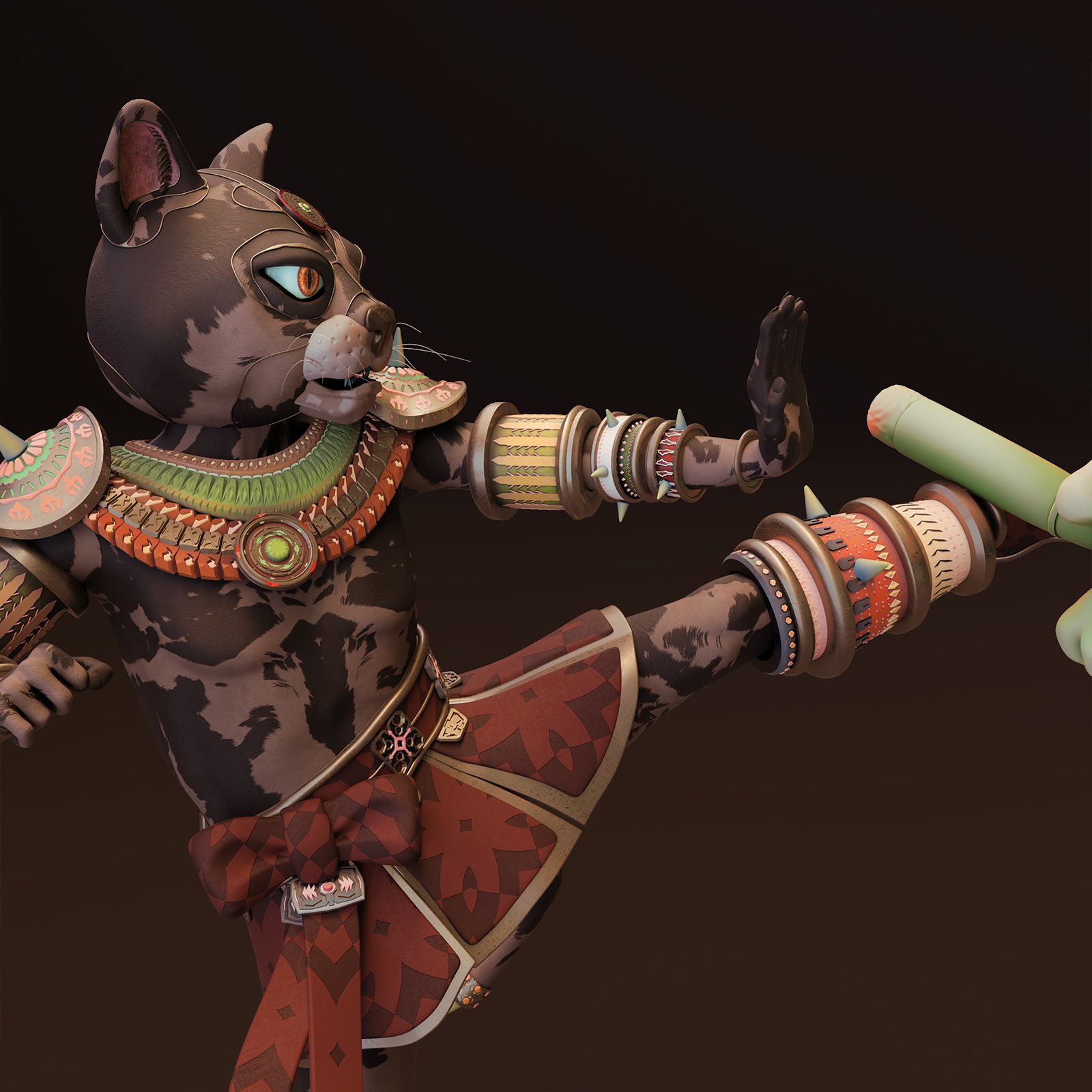
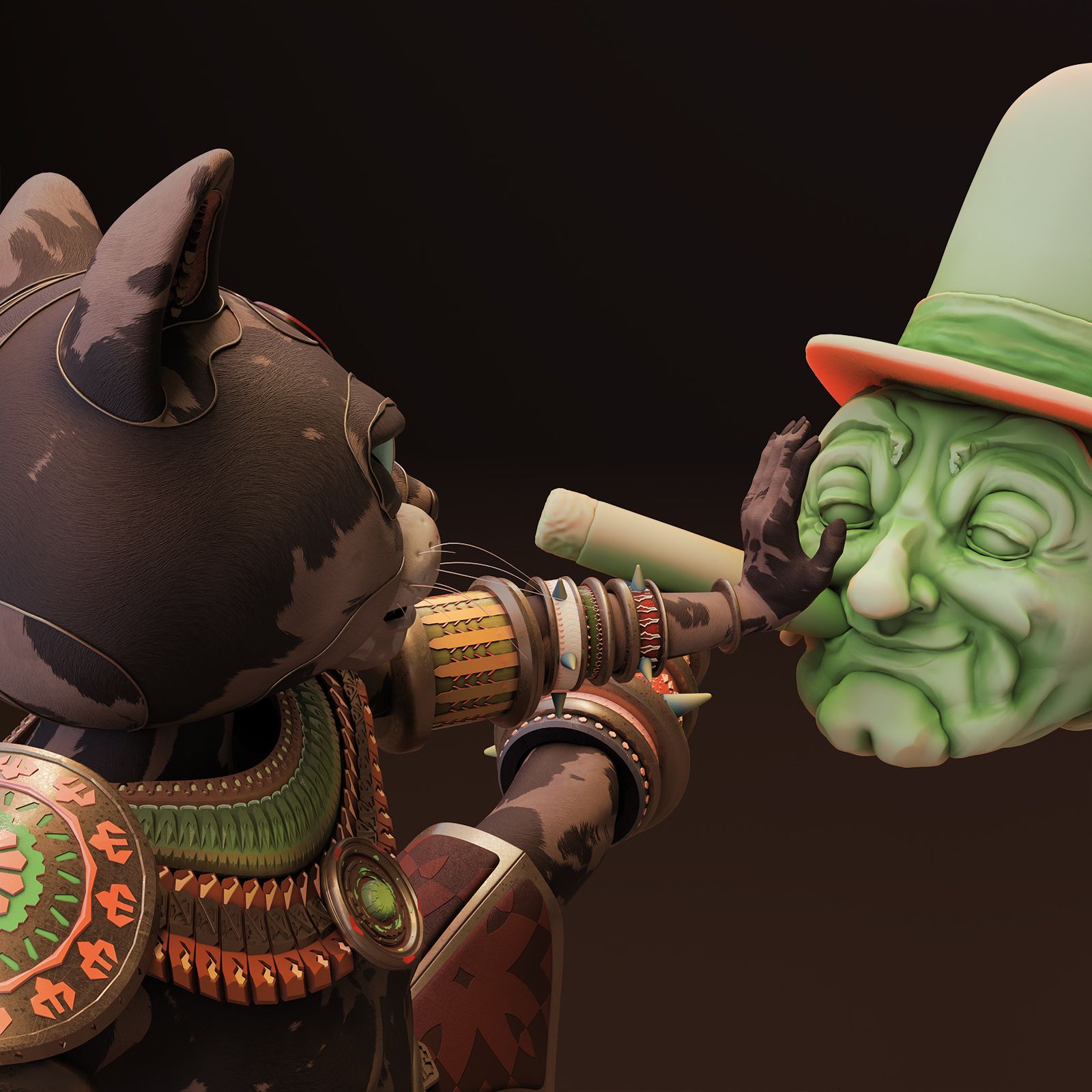
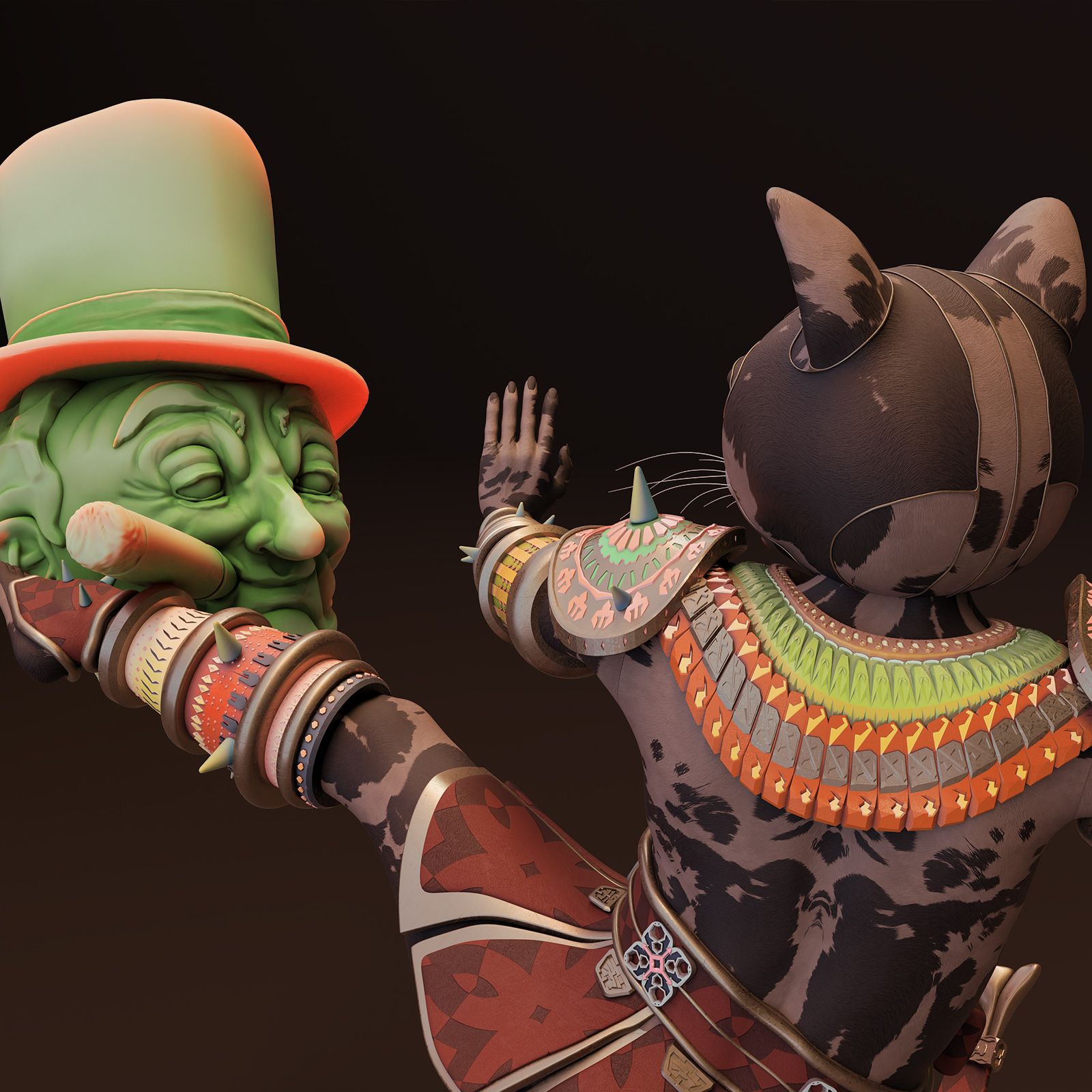
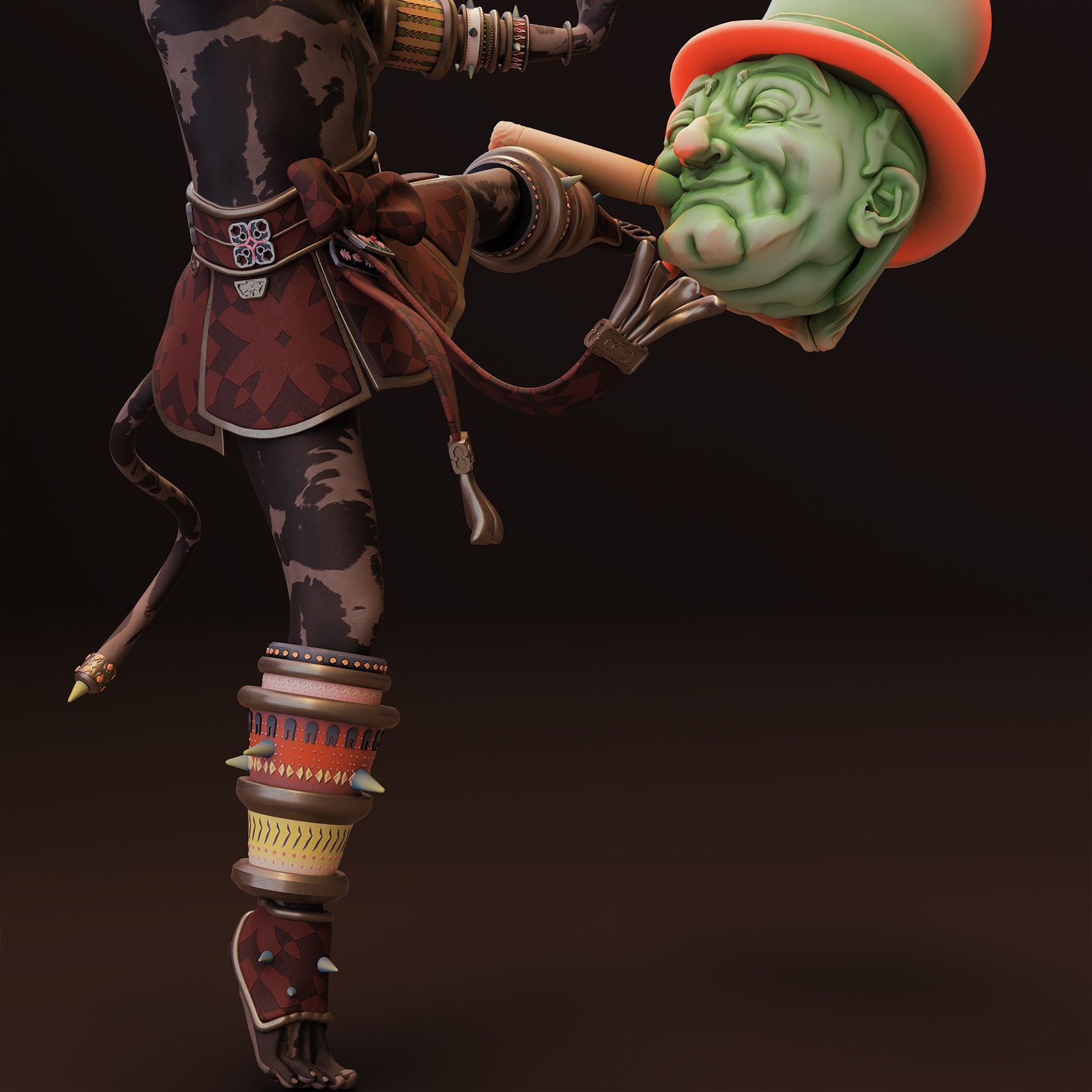
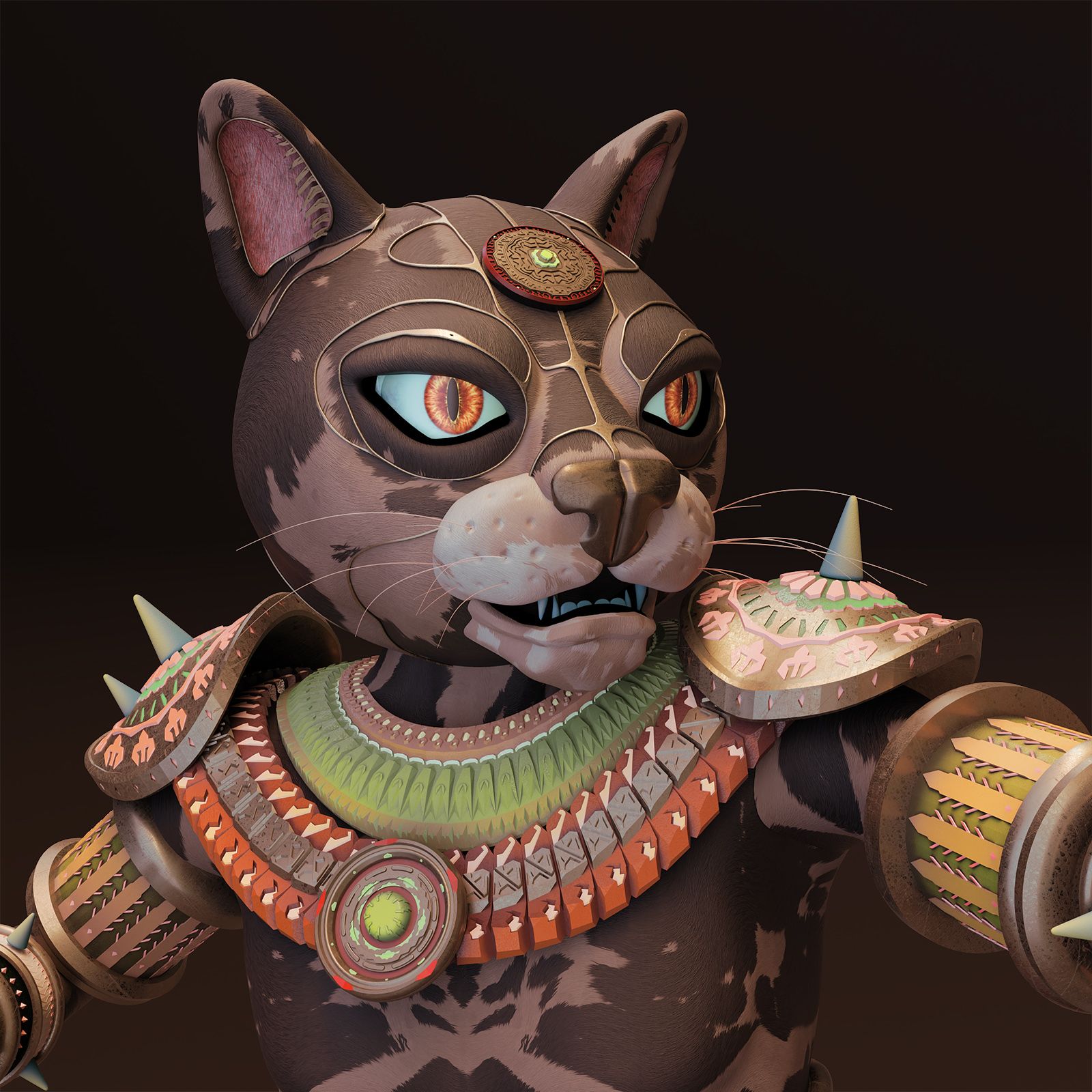
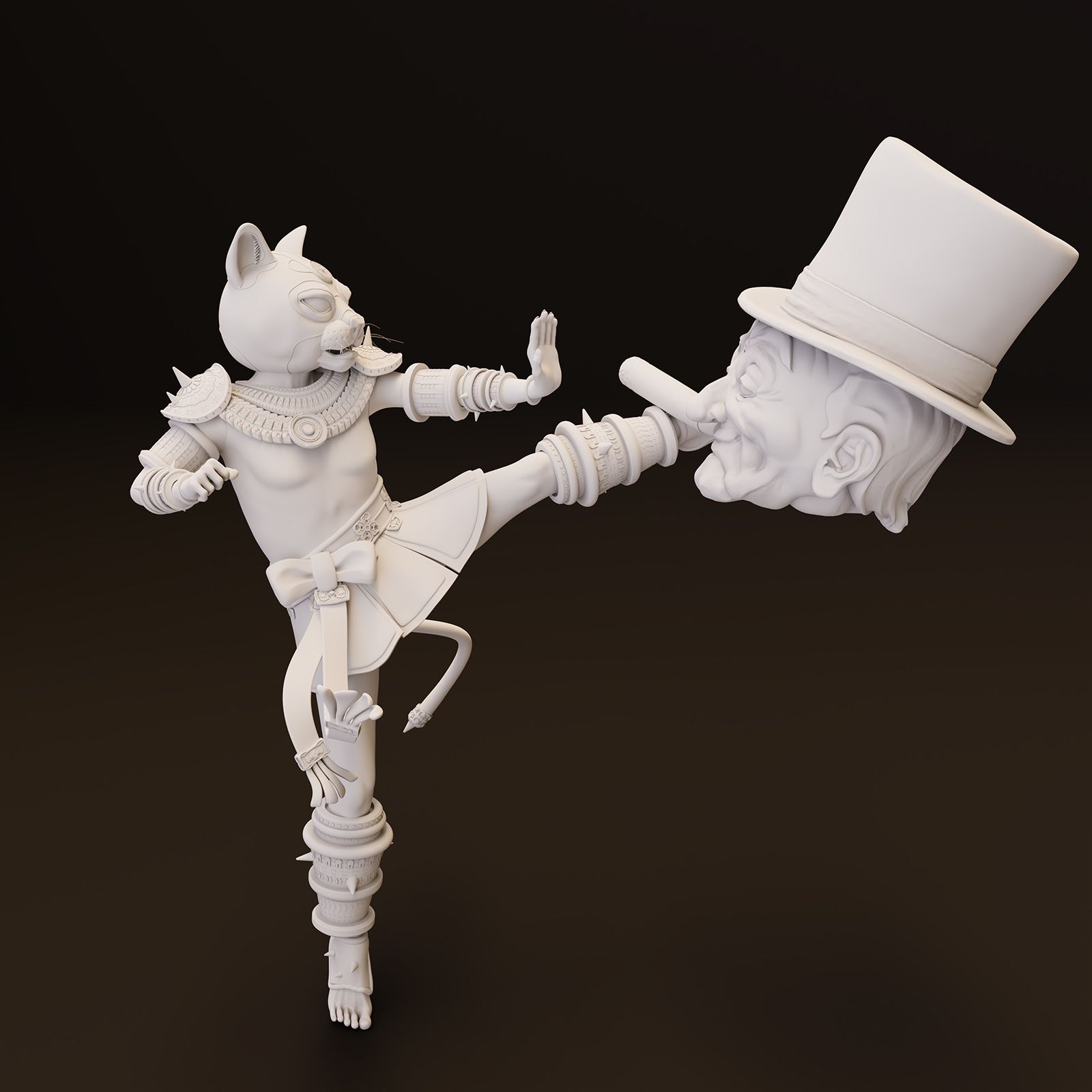
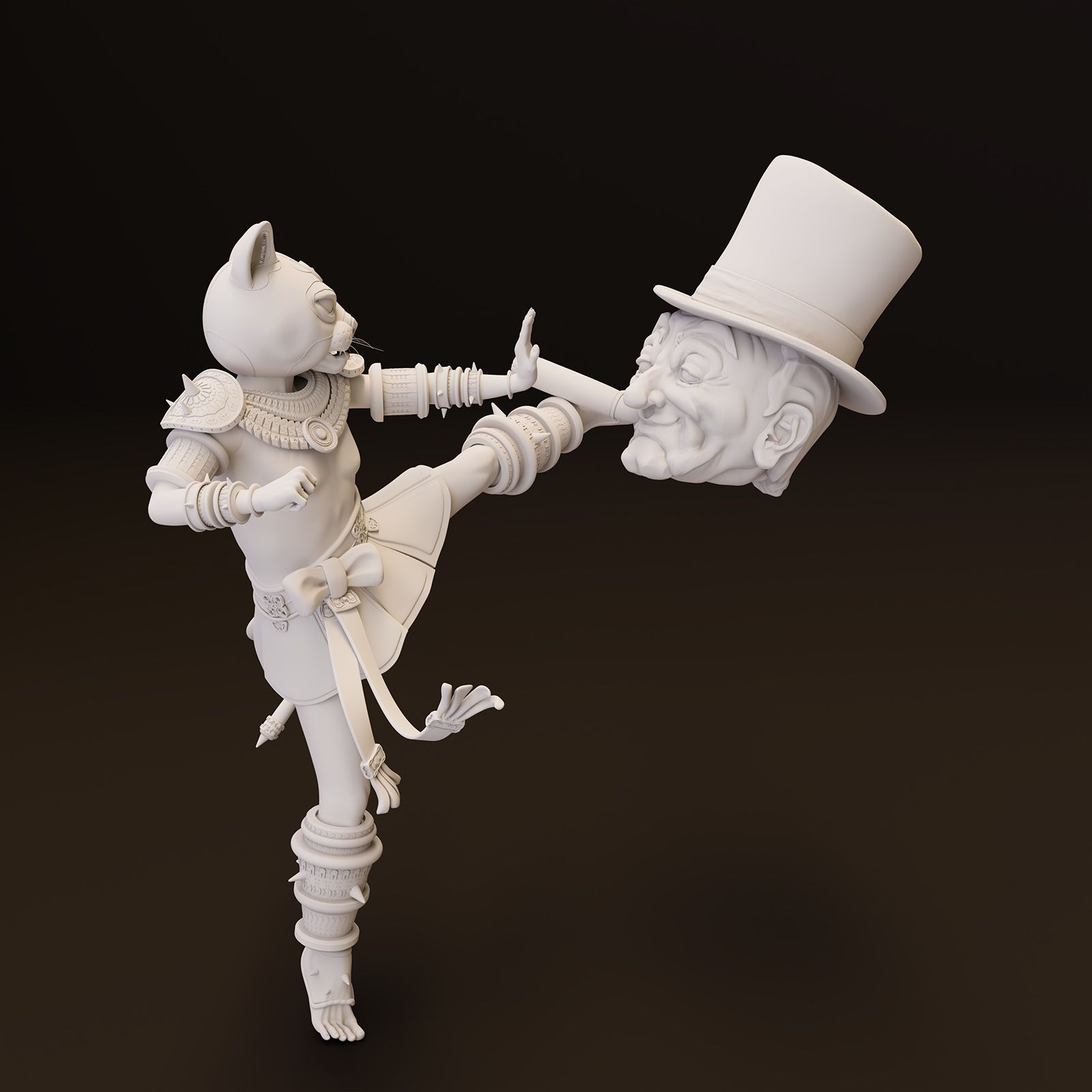
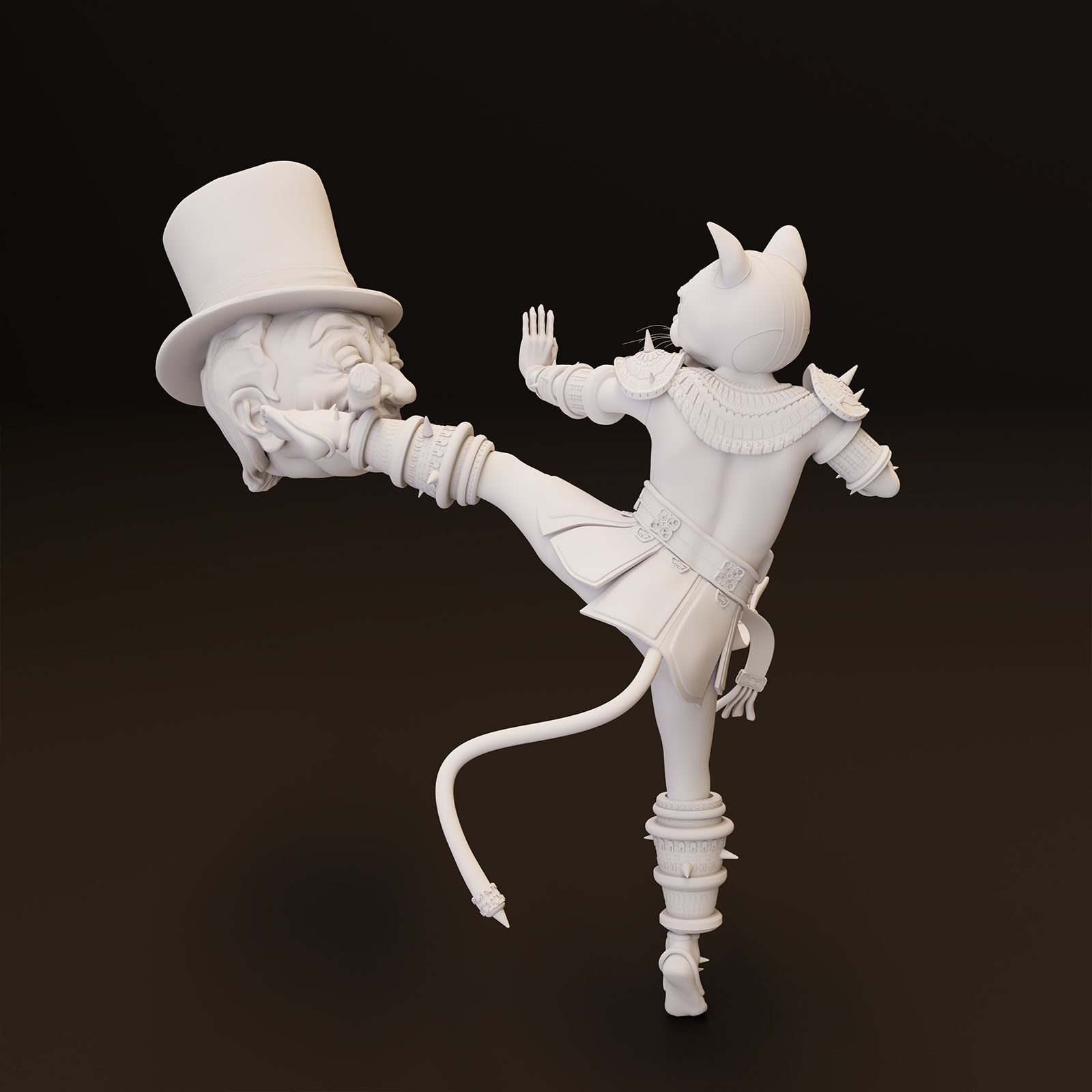
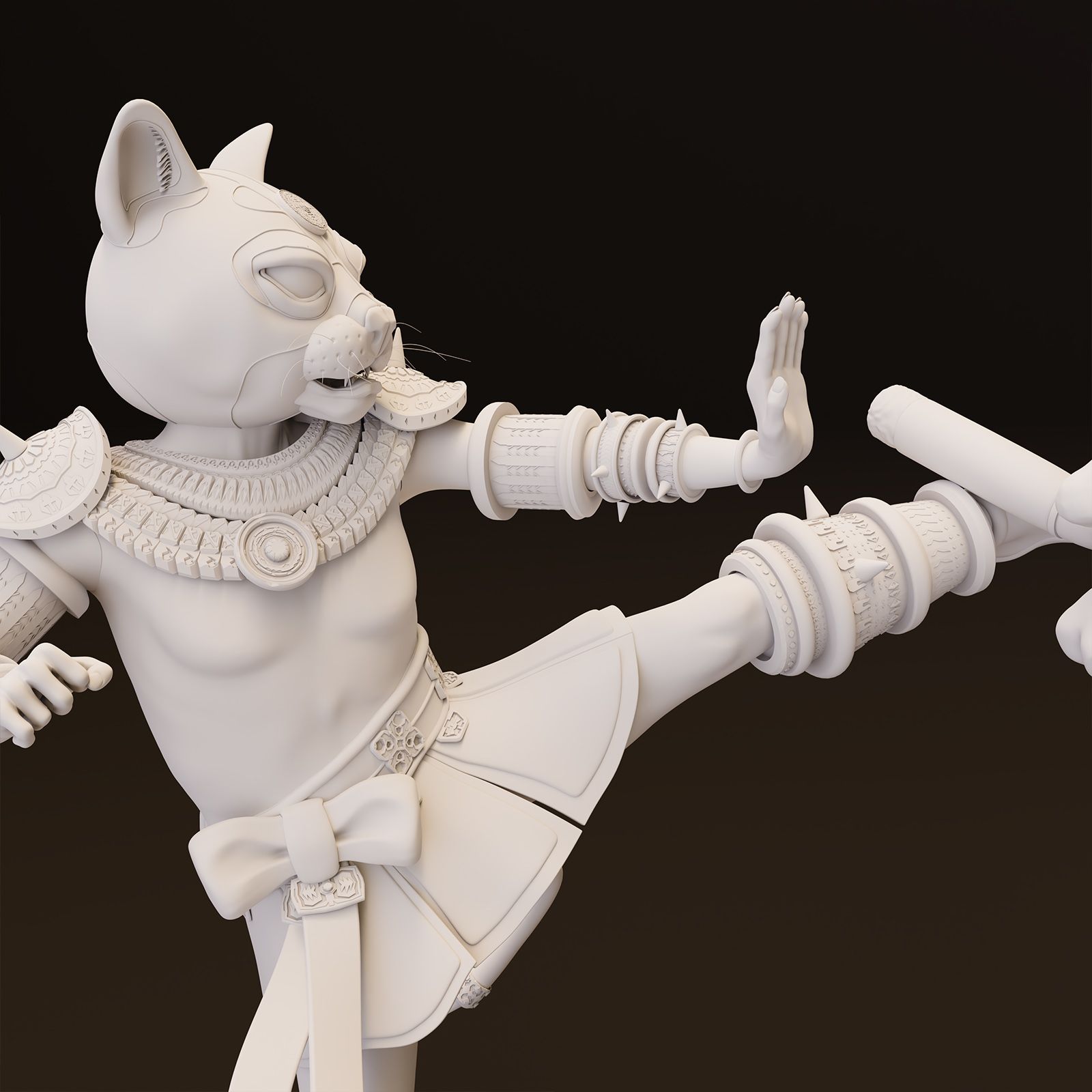
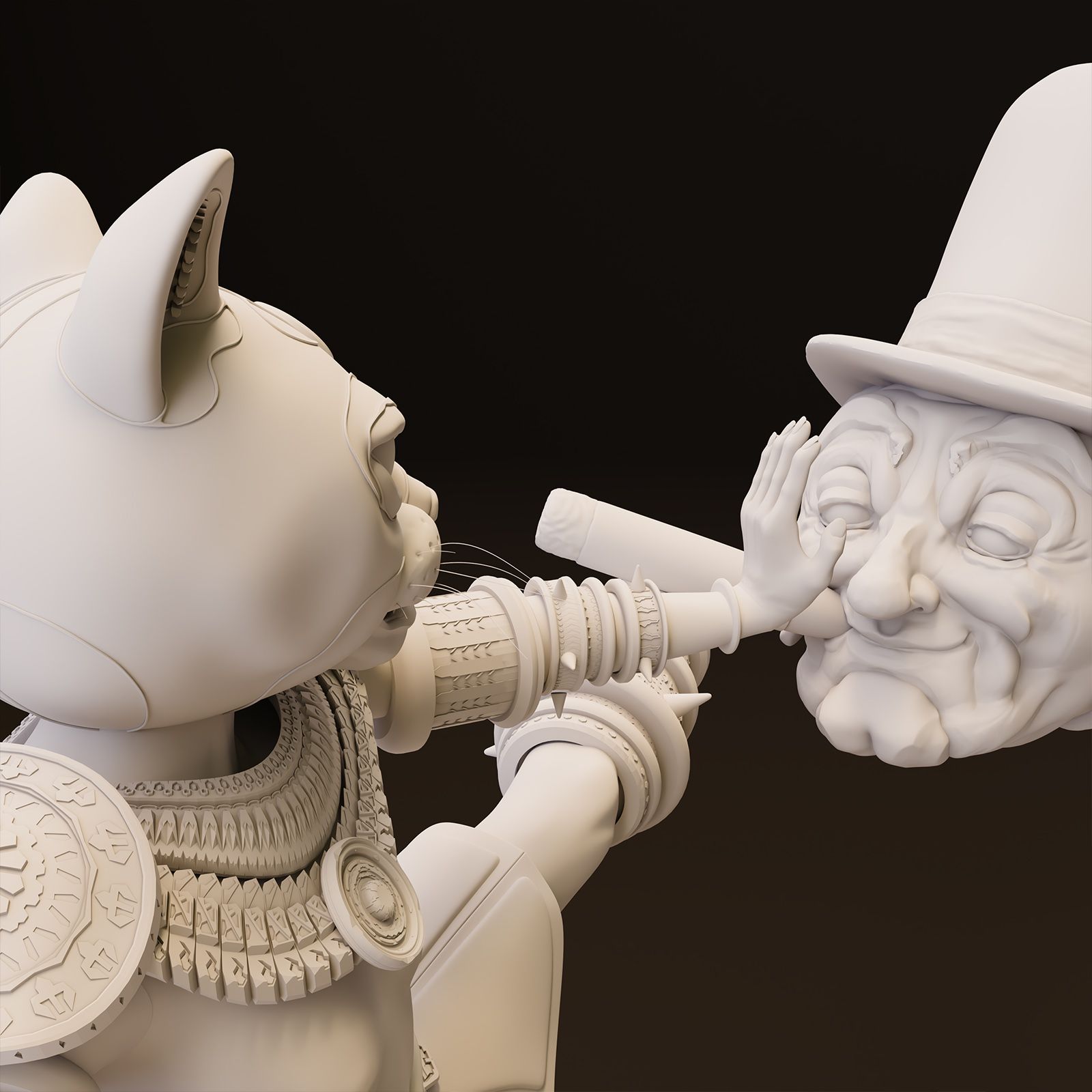
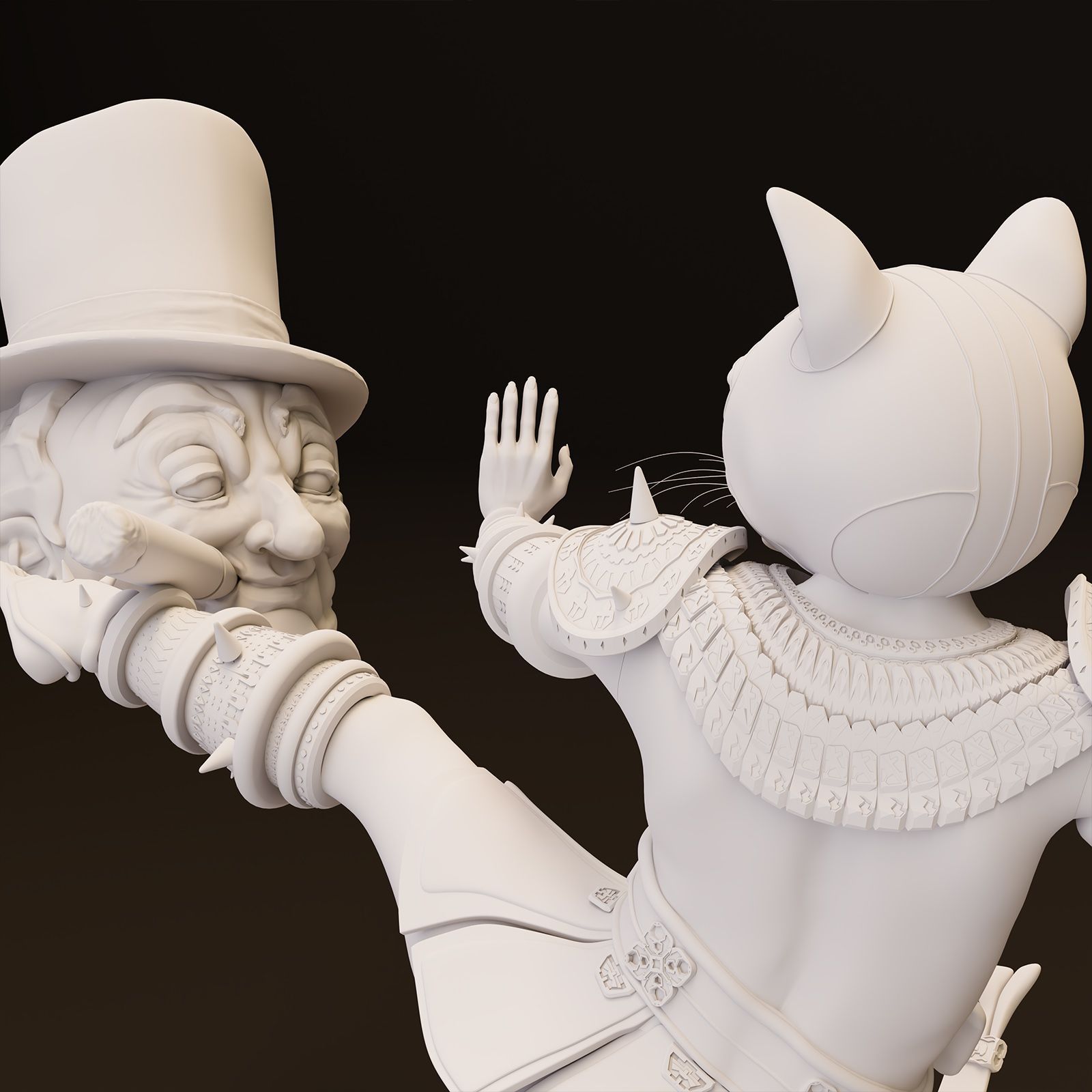
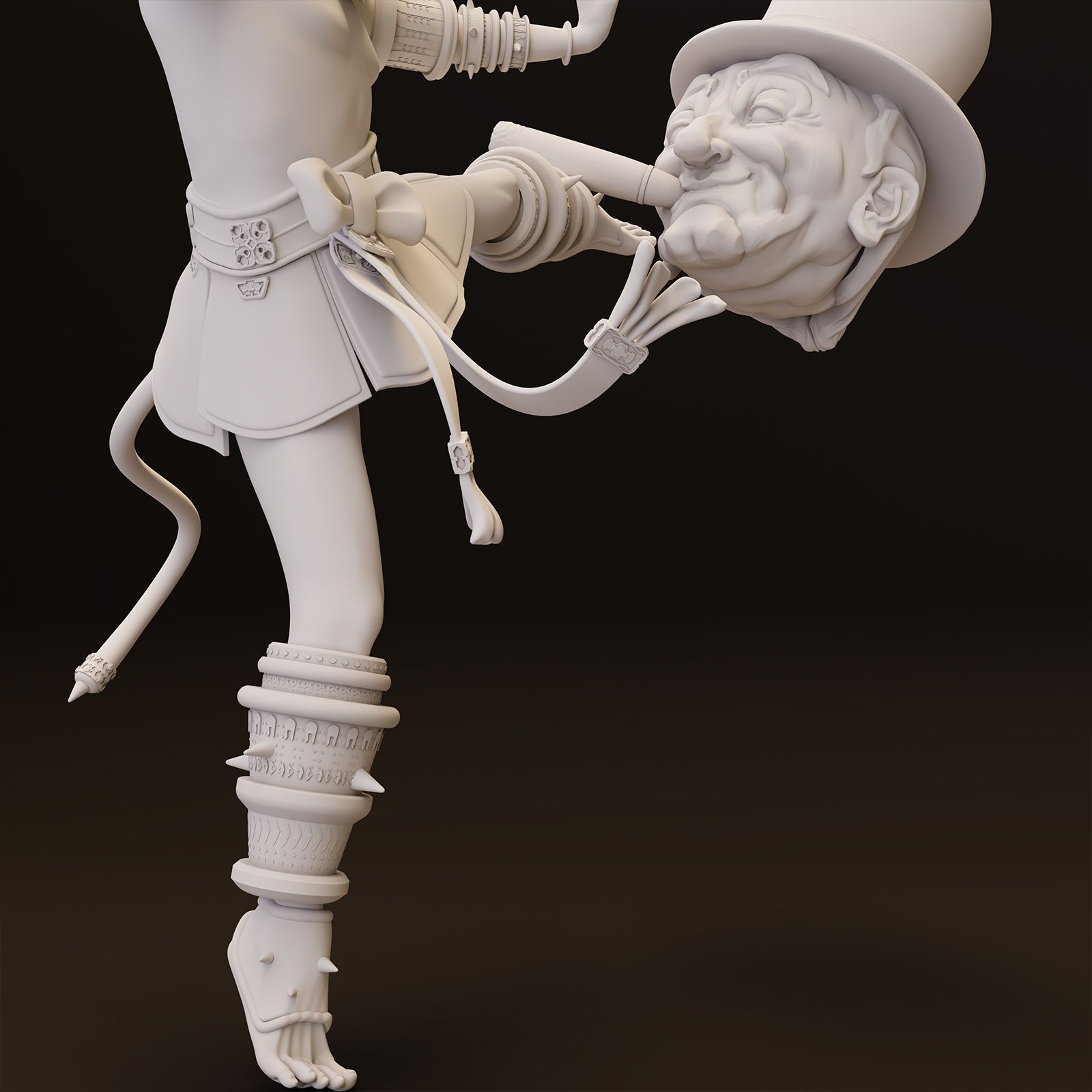
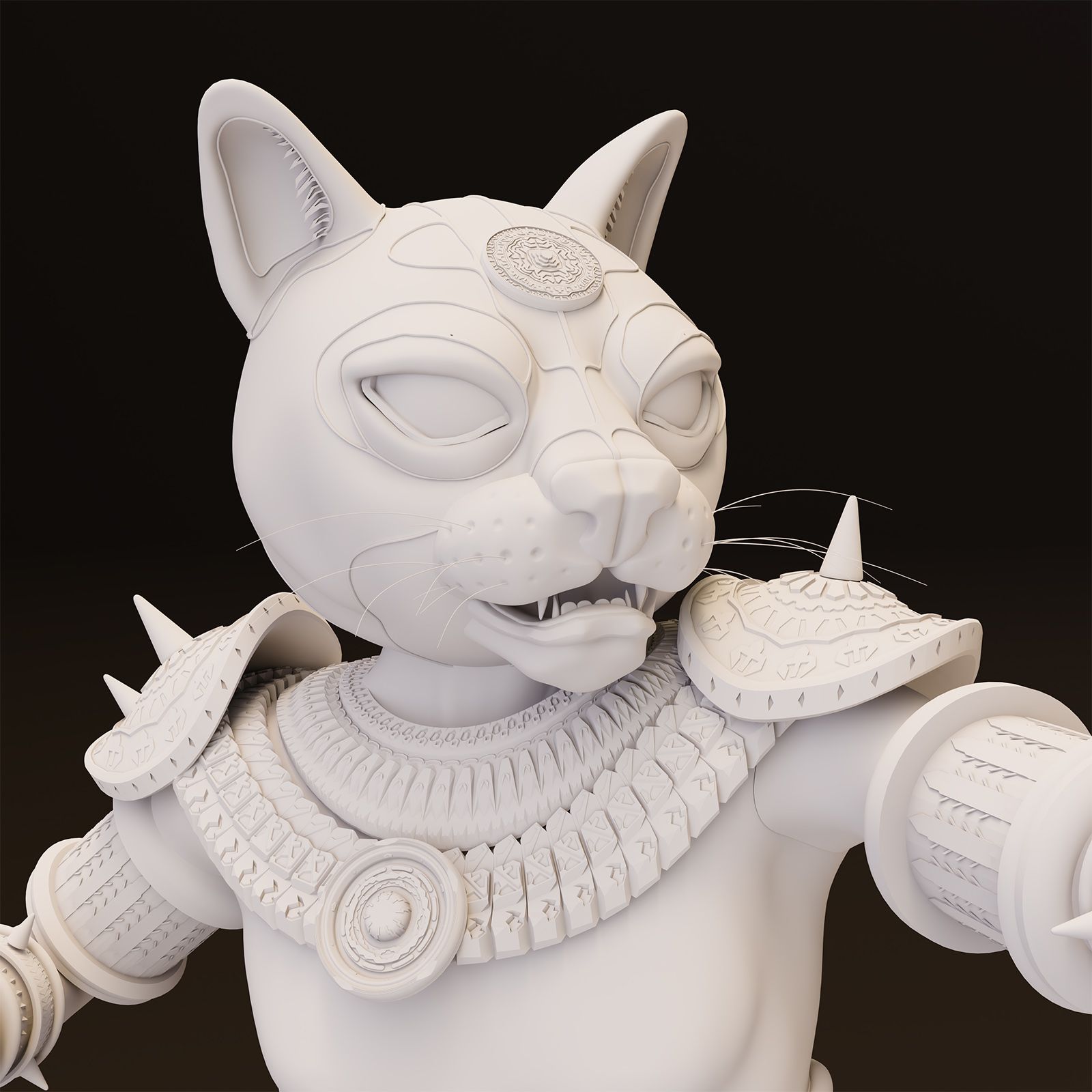
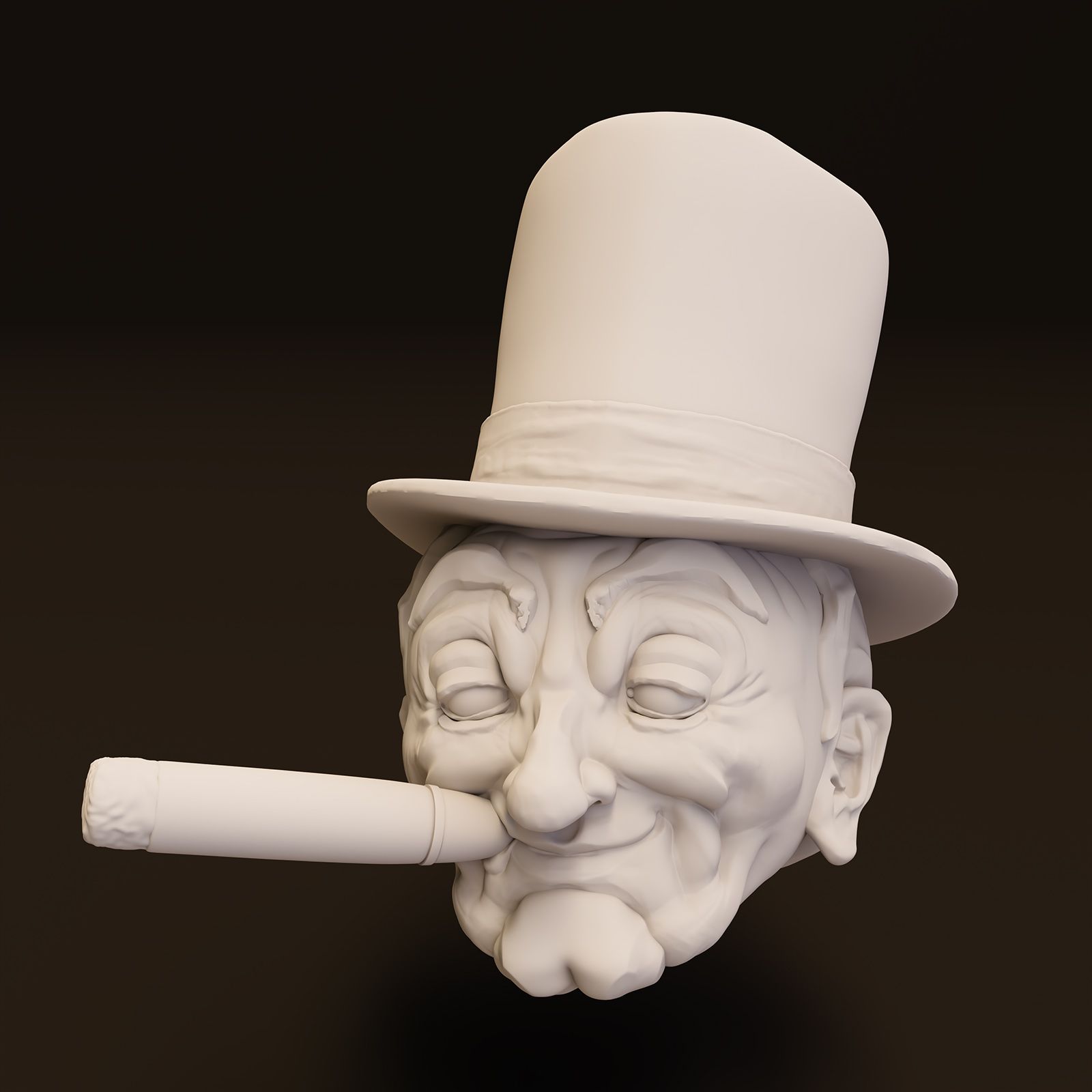
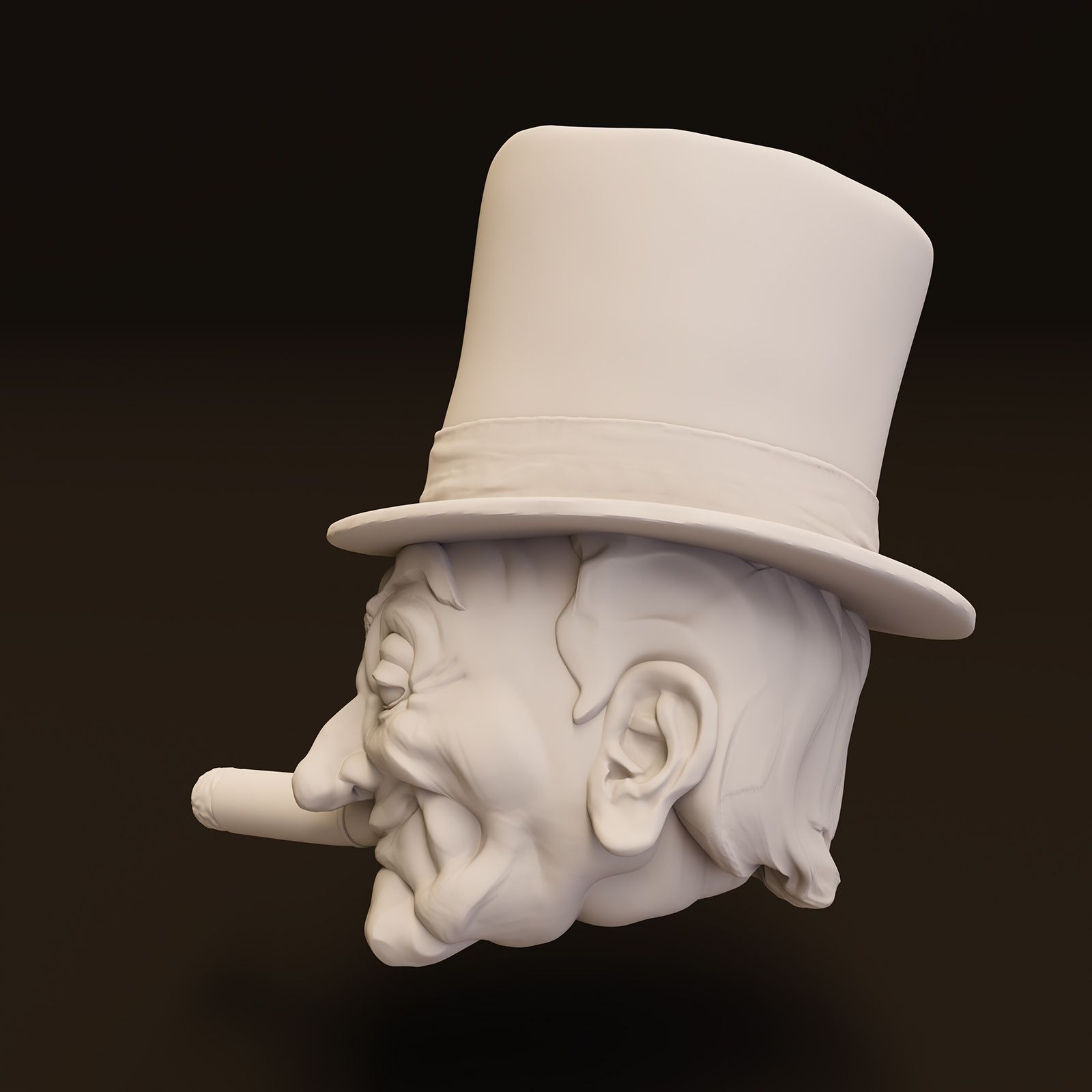
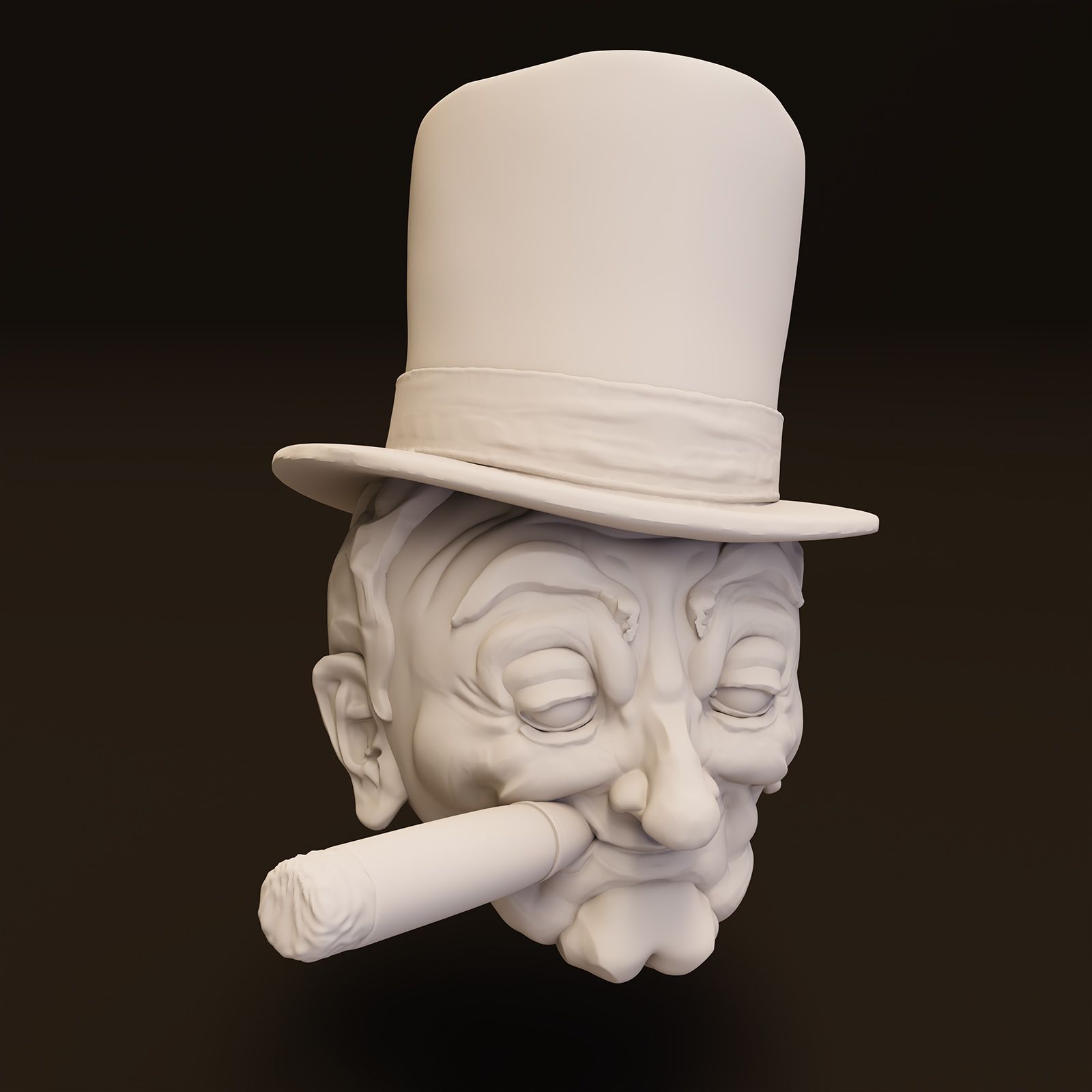
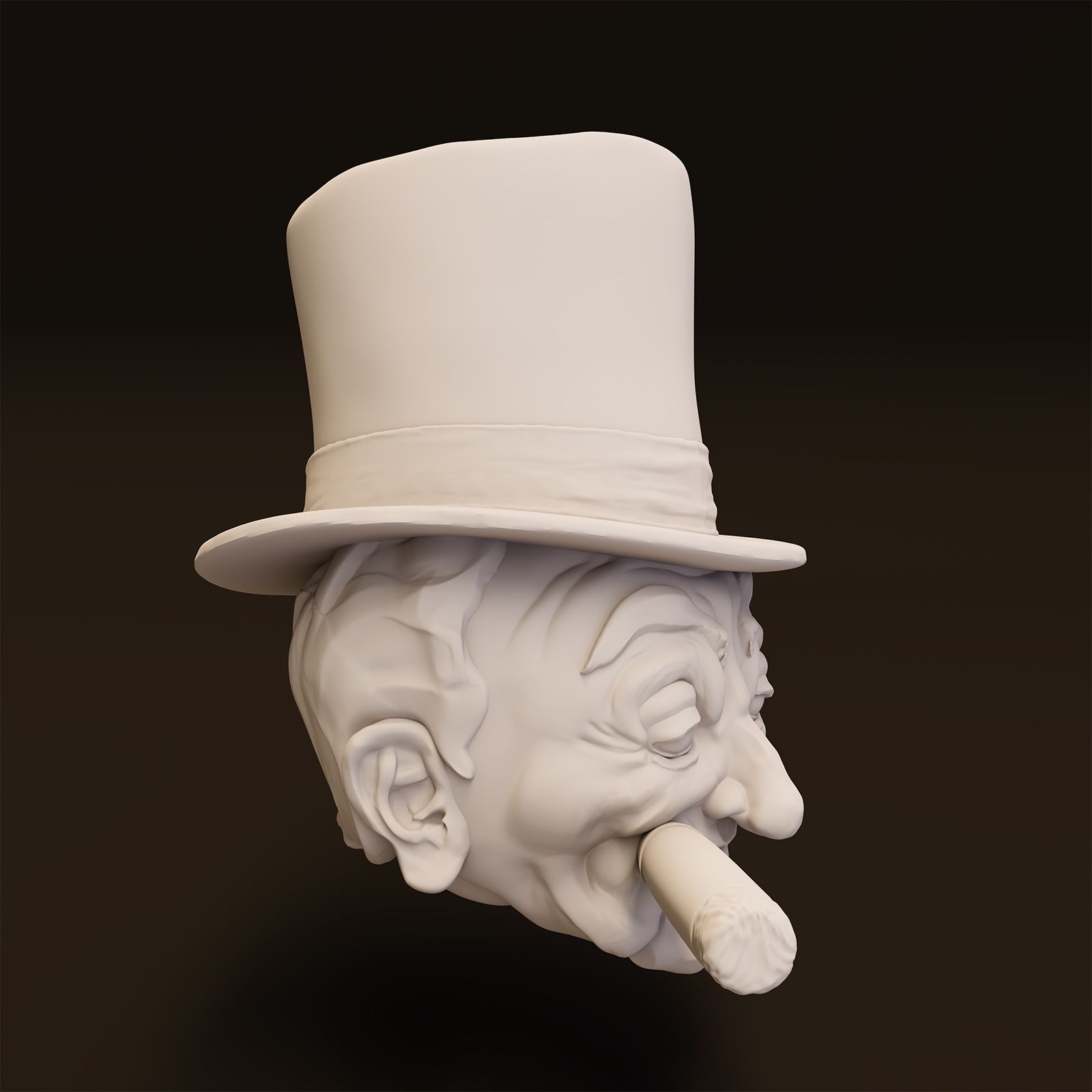
and an IA picture of the first stand, Aries made with a photo of me and a 3d render . No sketchup in this one
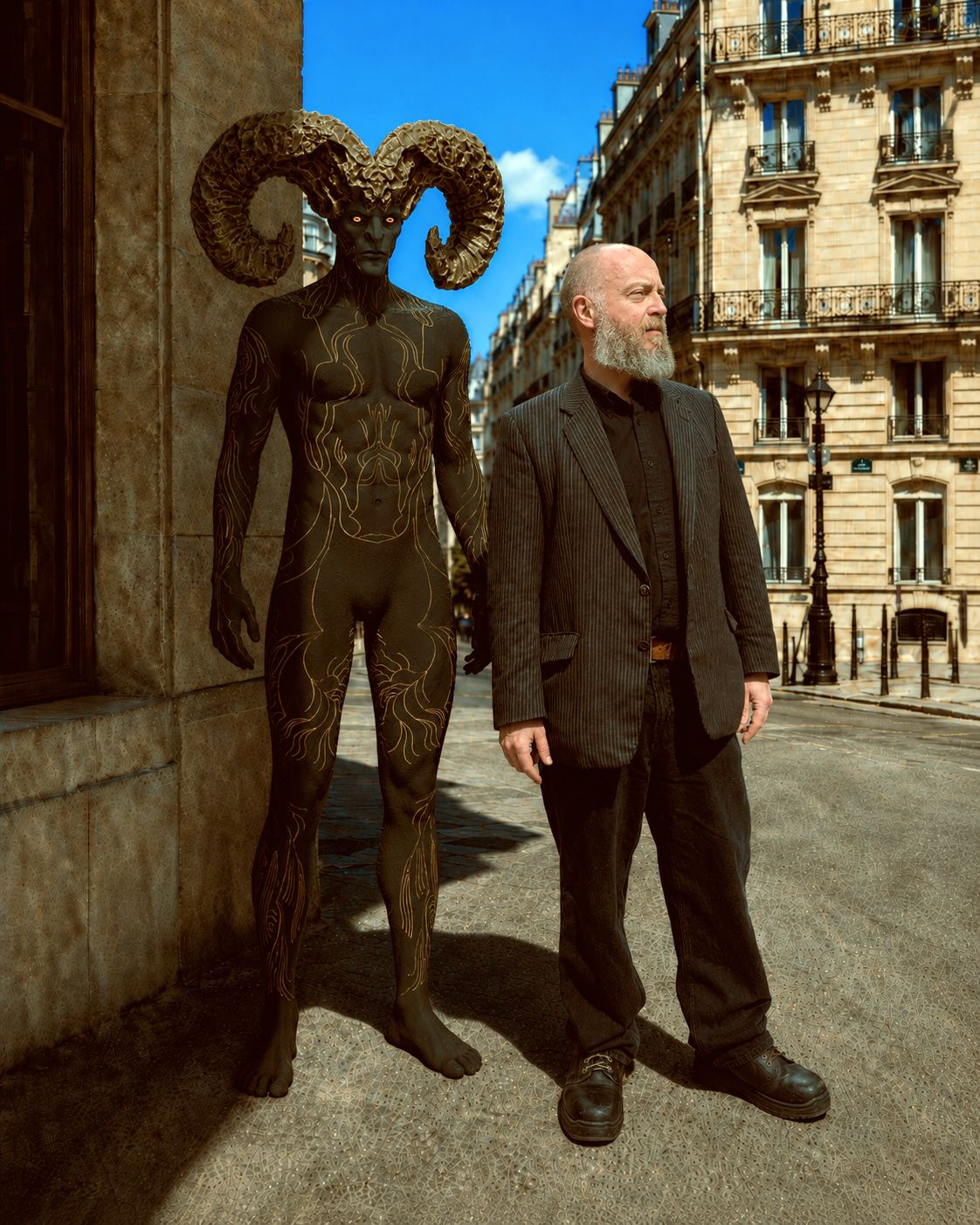
-
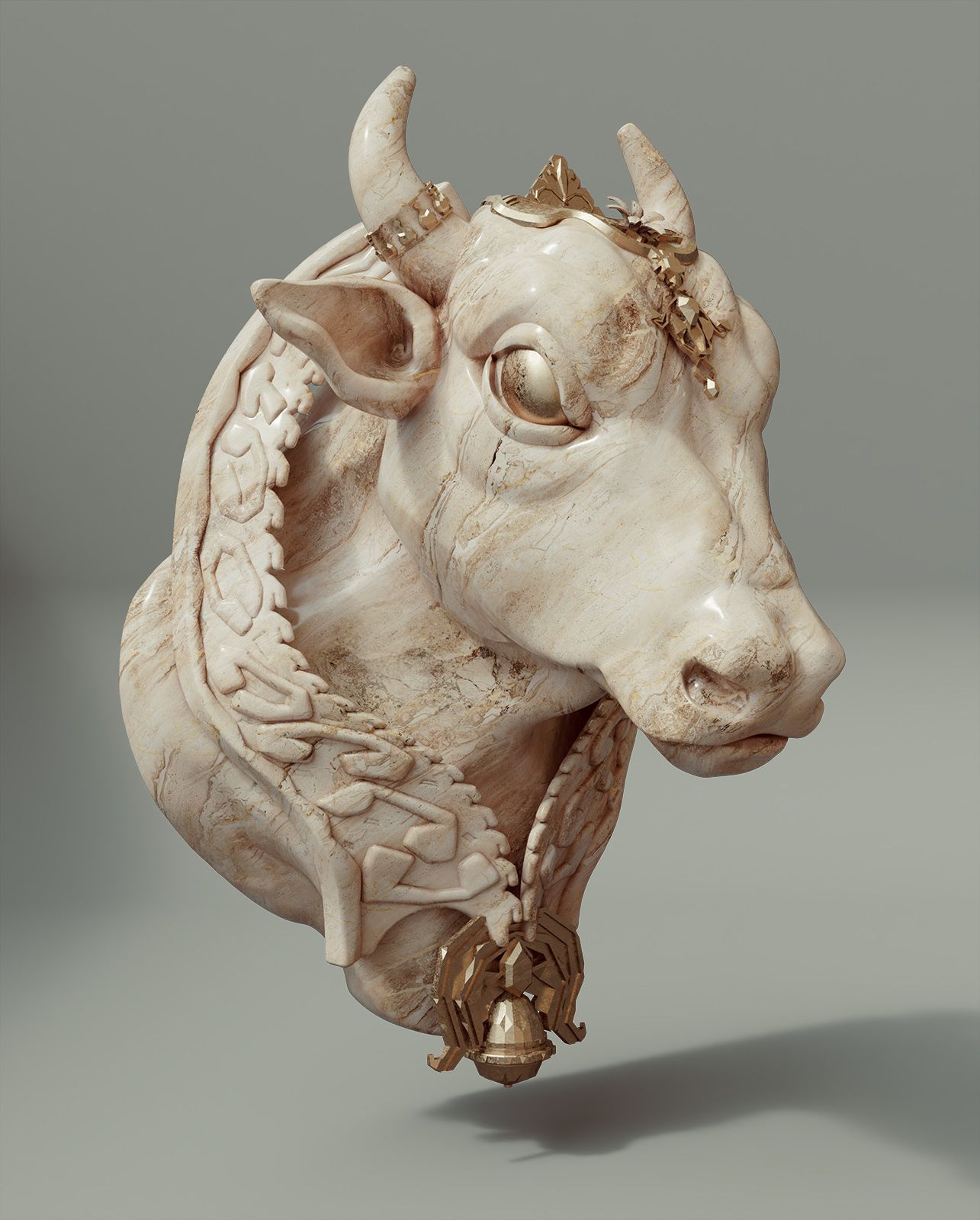
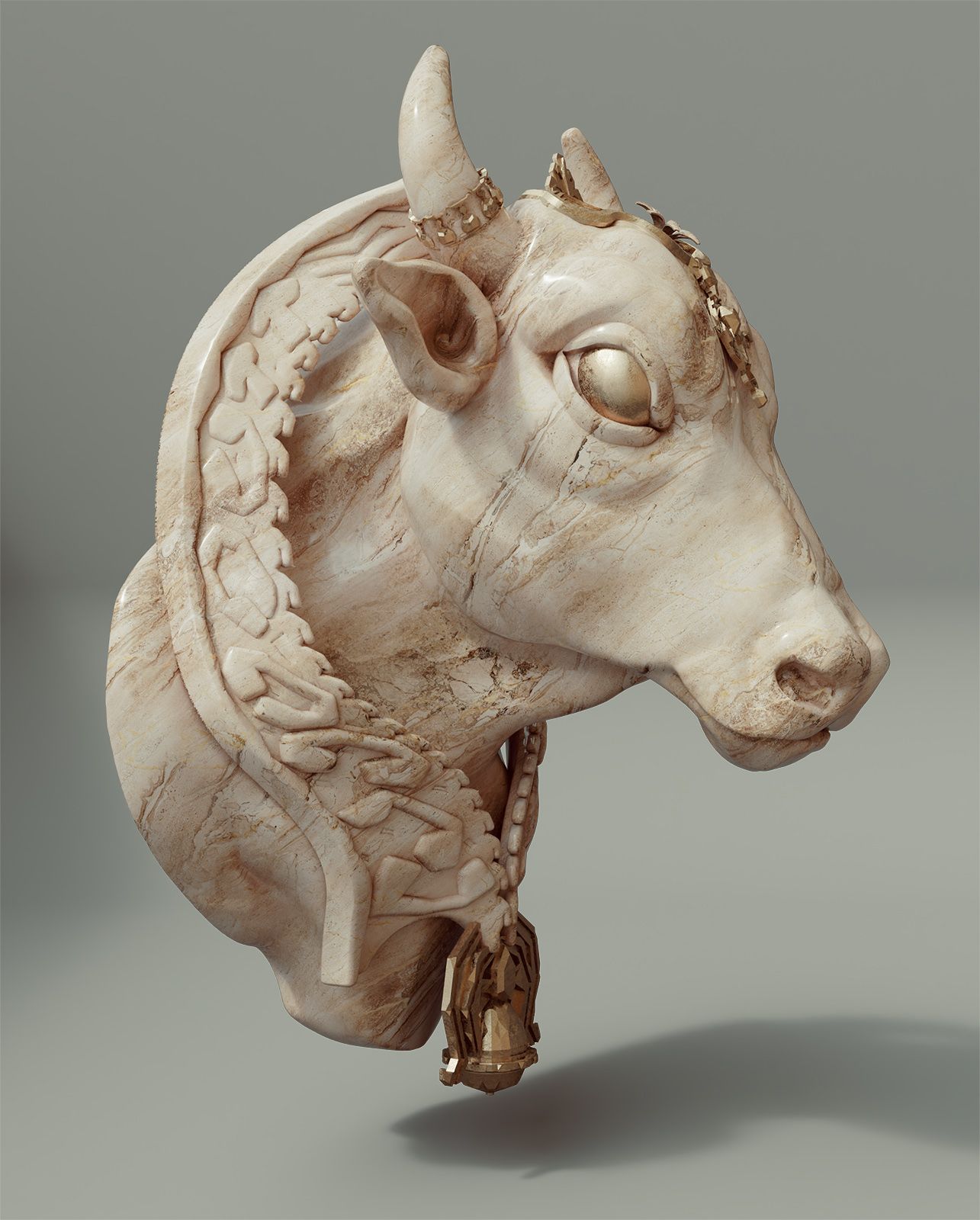
I’m finally posting the final render of my Taurus Stand, part of my series inspired by JoJo’s Bizarre Adventure, but reimagined around the Western zodiac signs.
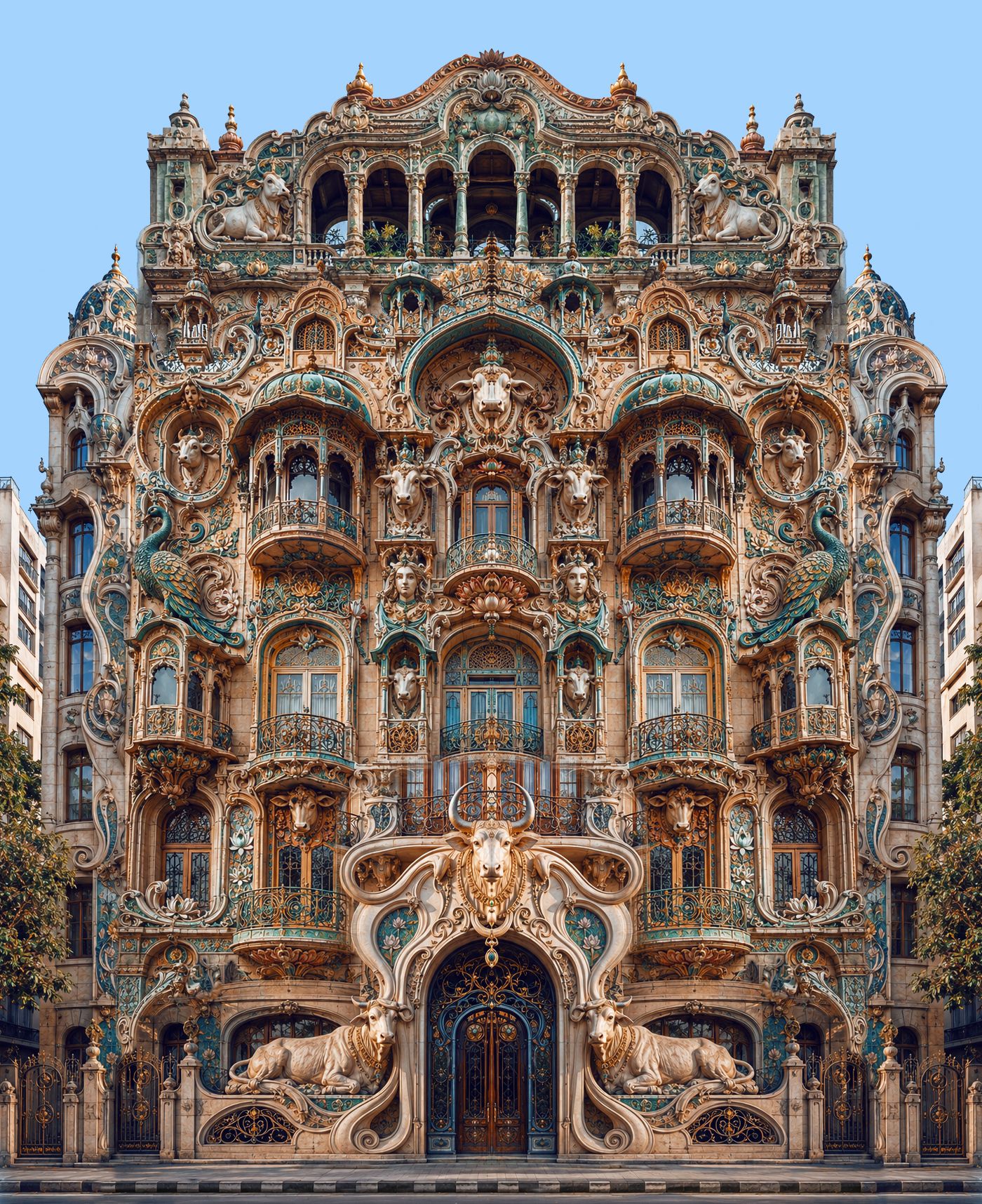
For this project, I first asked an AI to generate Art Nouveau buildings images based on the theme of the bull, and then on the sacred Hindu cow. I selected four concepts and combined them through photomontage to create a modeling reference for the project (shown in the last image).
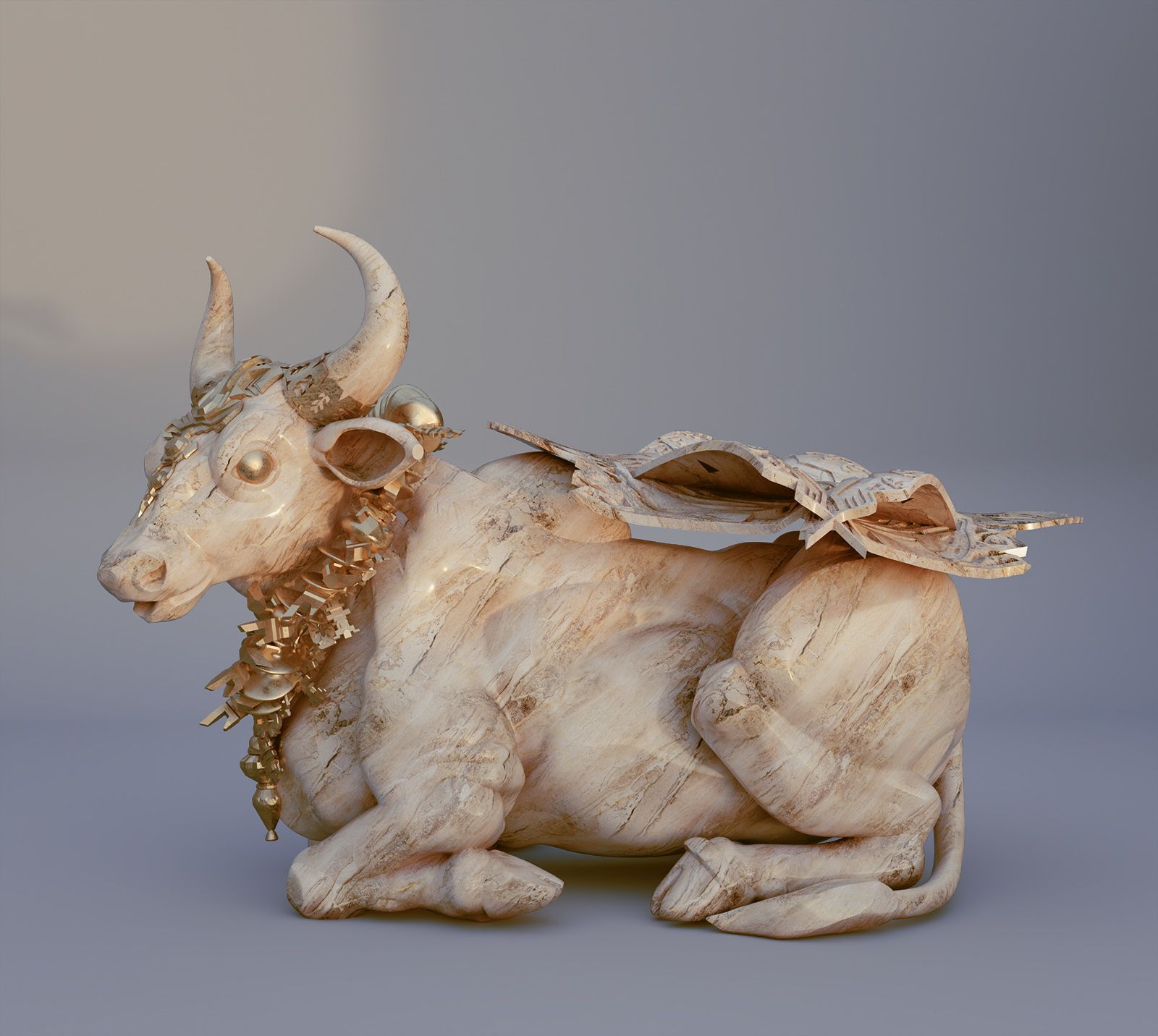
The architecture was created in SketchUp, the sculptures were made in Nomad on iPad, and everything was then assembled and rendered in Blender using Cycles.
The two characters and the trees are models downloaded from the internet.
I’m posting both a beauty render and a clay render here, to give a clearer view of how the image and the volumes were constructed.
This Taurus therefore takes the form of an Art Nouveau building, filled with references to the sacred Hindu cow, with the façade designed as a sculptural work in its own right.
Bigger sizes here
https://zupimages.net/up/26/33/n67y.jpg
https://zupimages.net/up/26/33/tgwm.jpg
https://zupimages.net/up/26/33/dyuk.jpg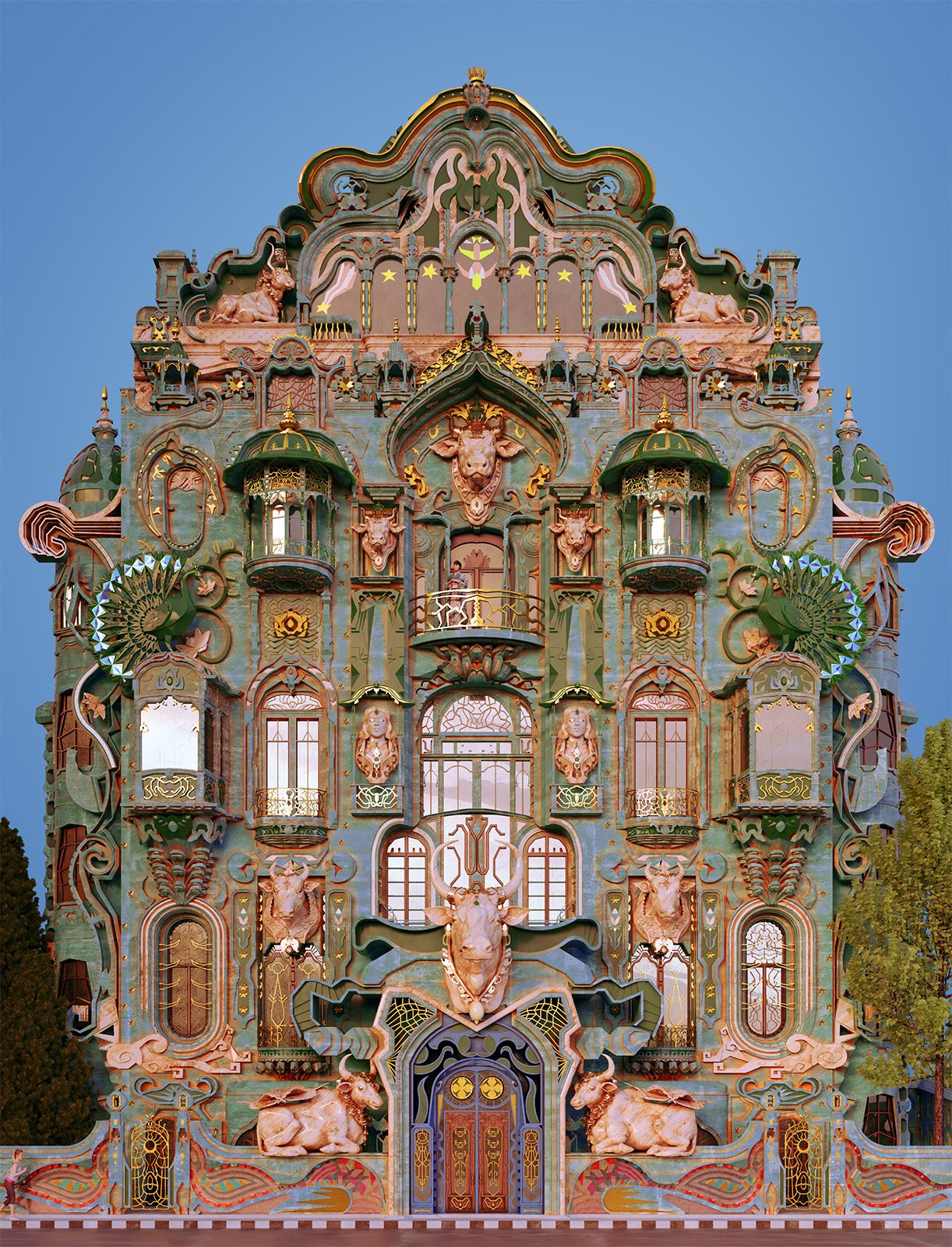
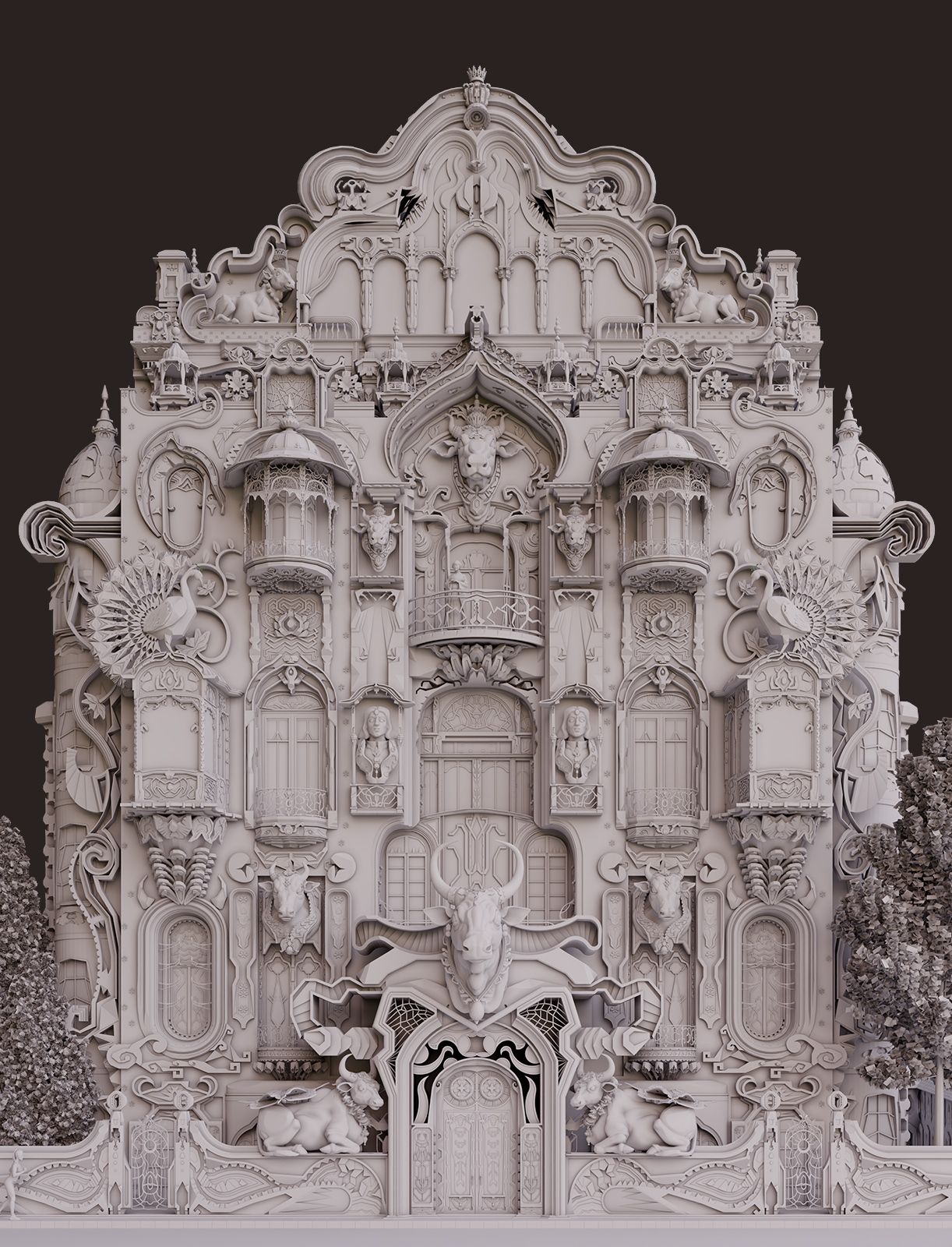
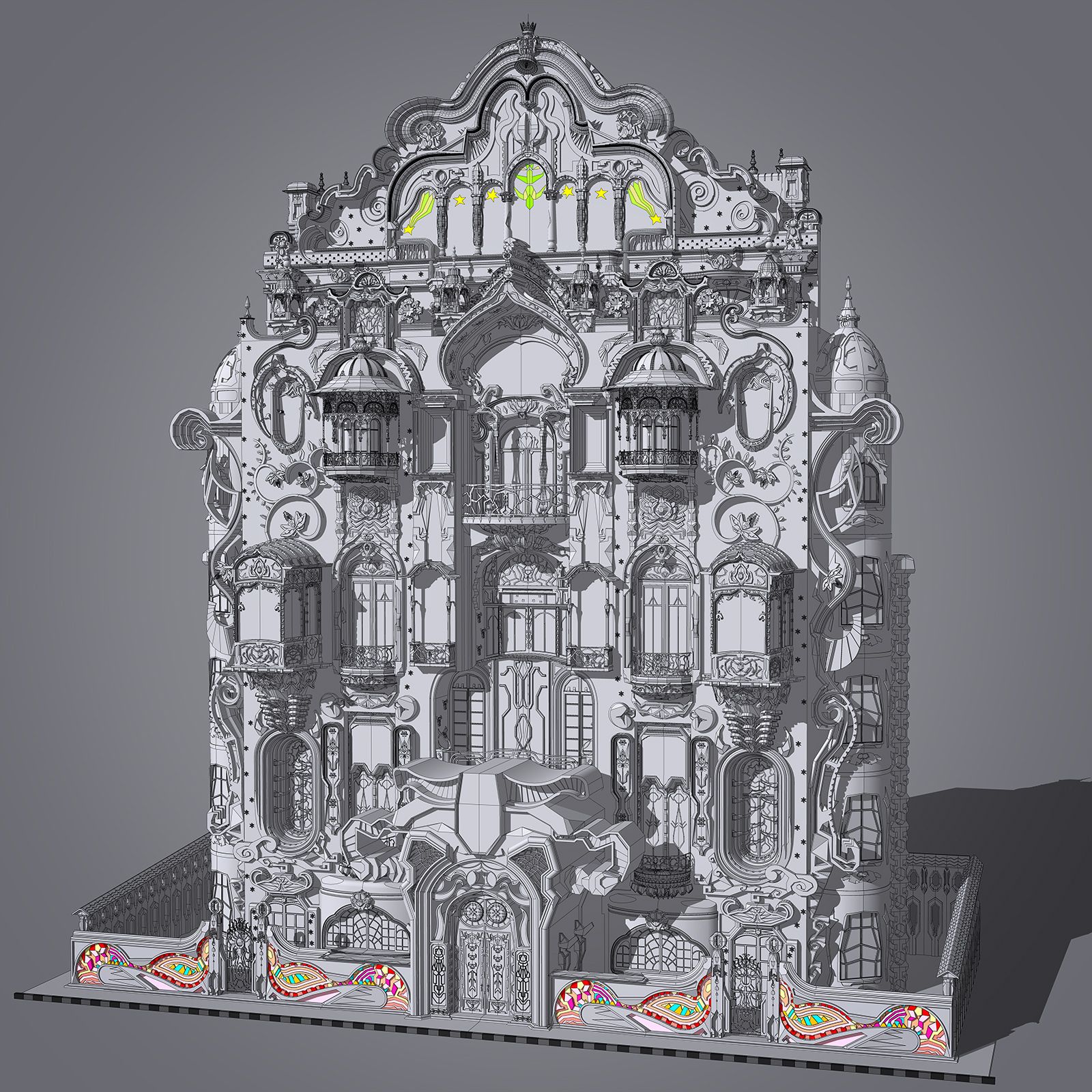
statues
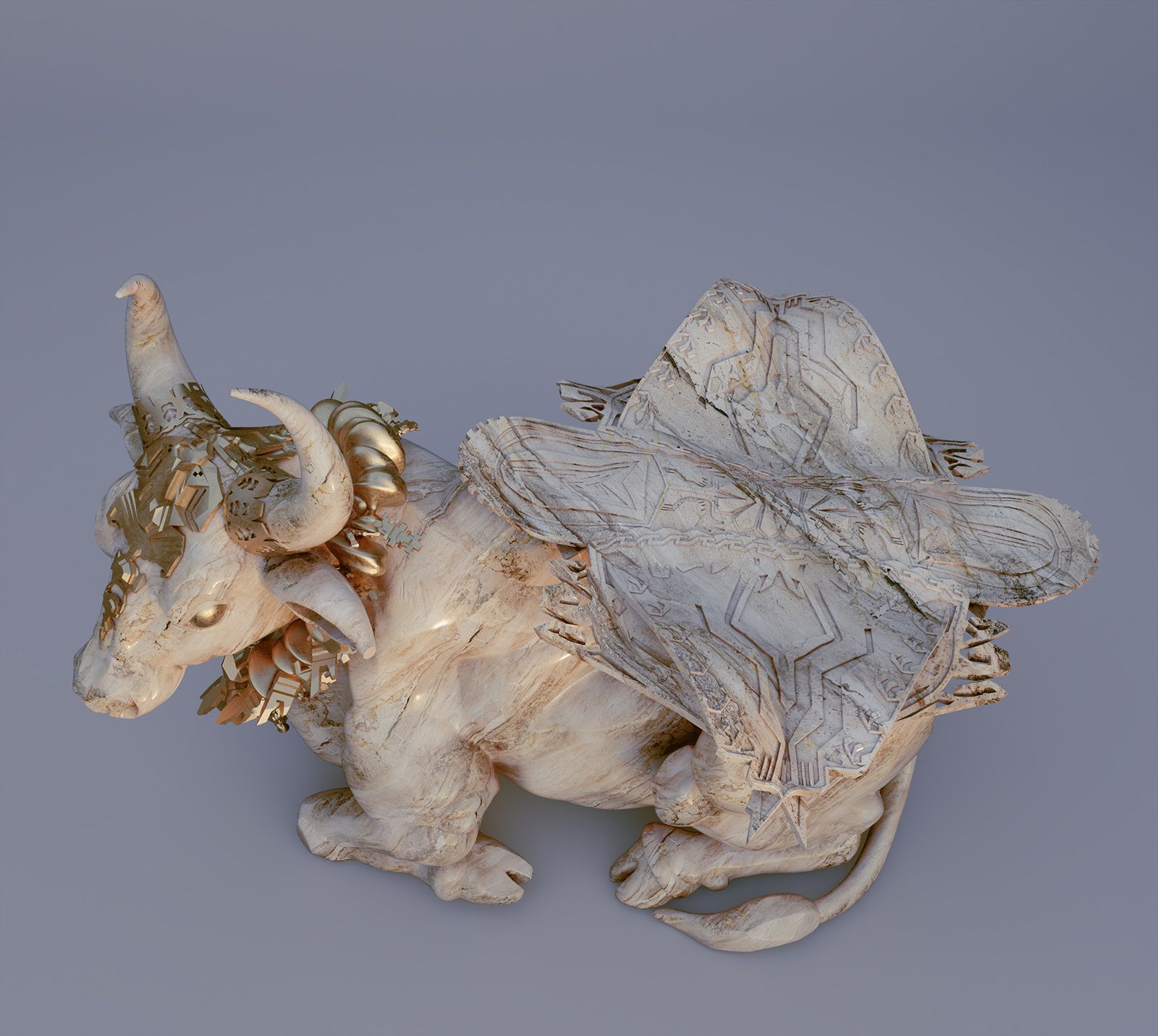
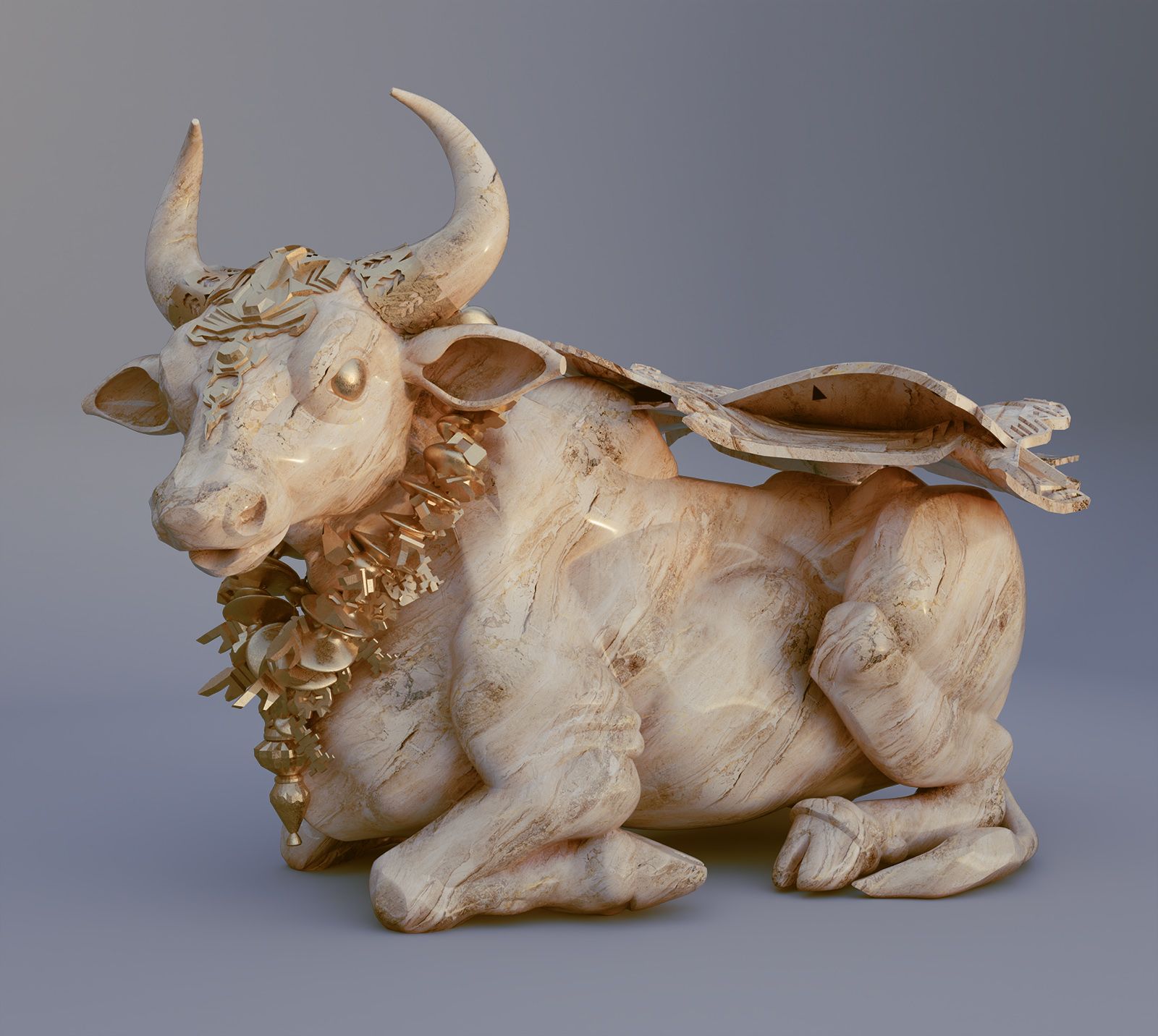
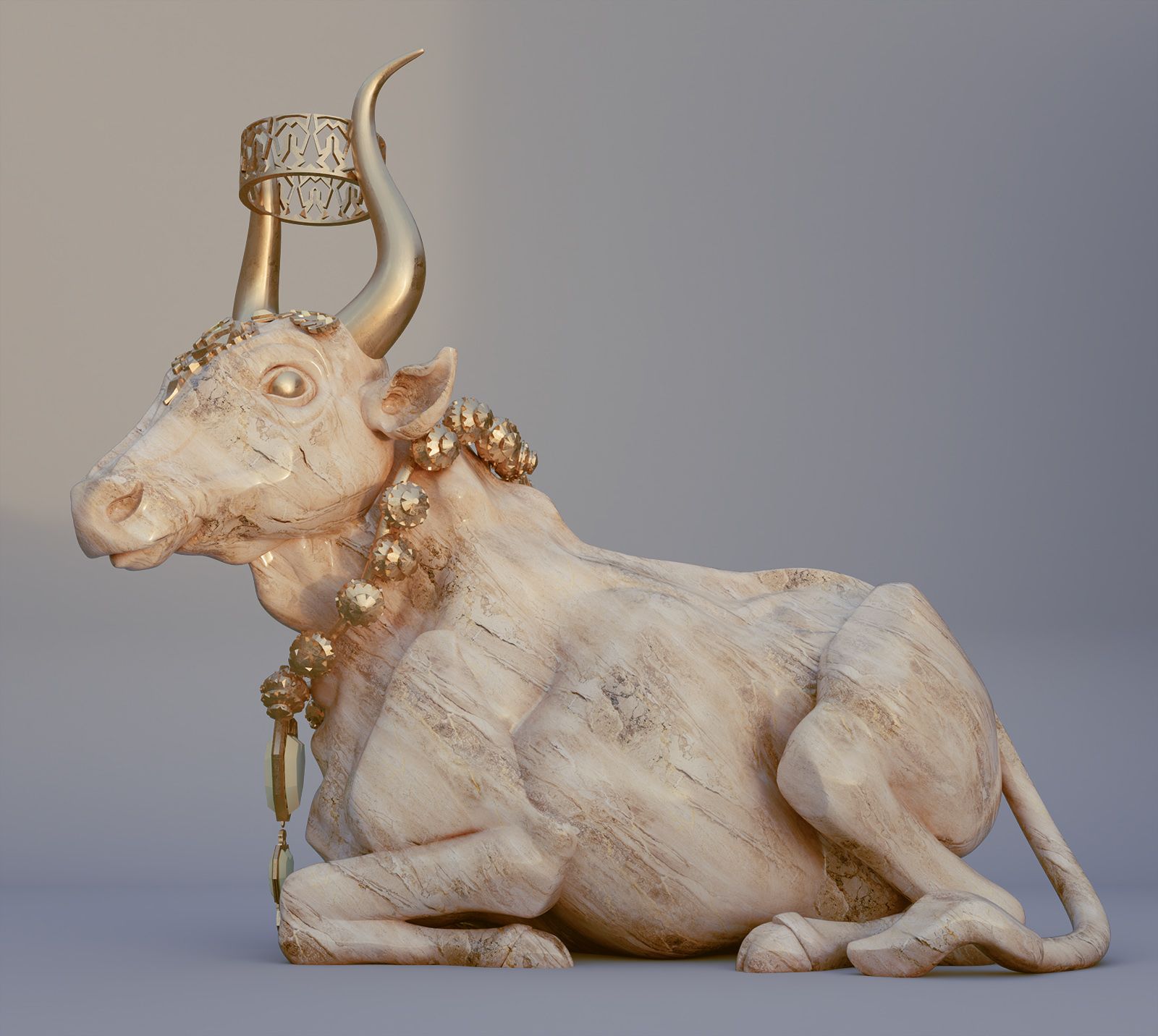
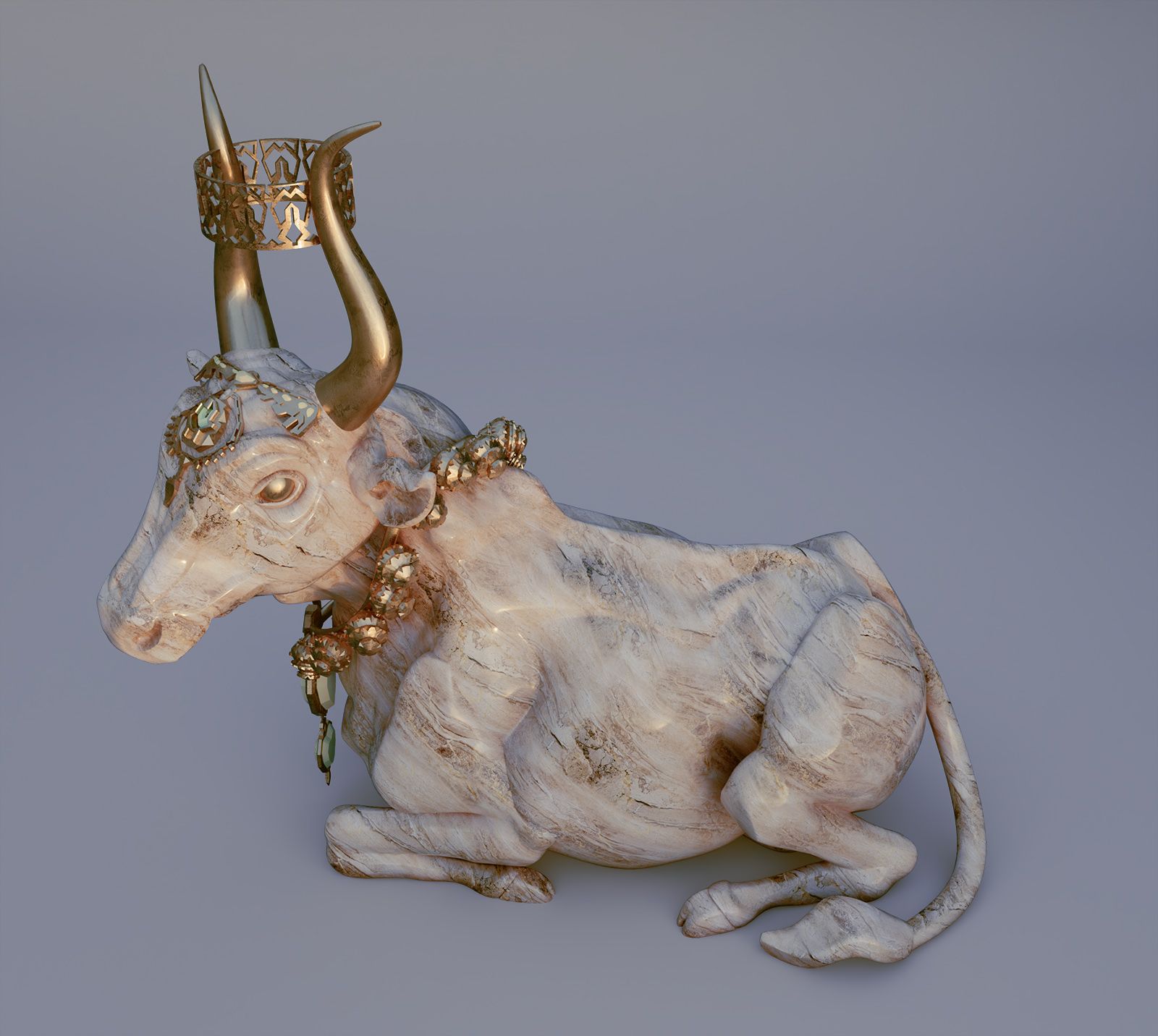
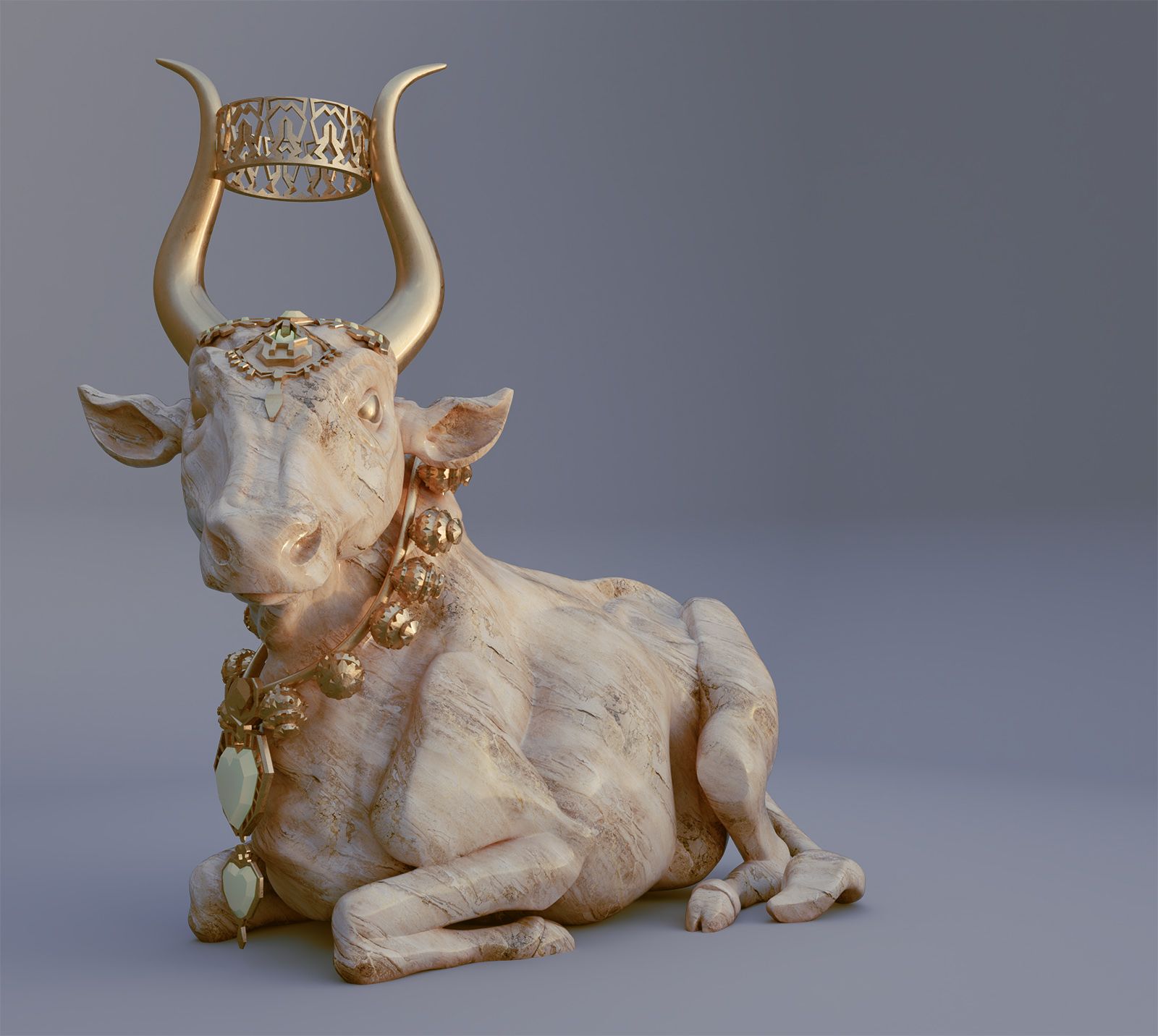
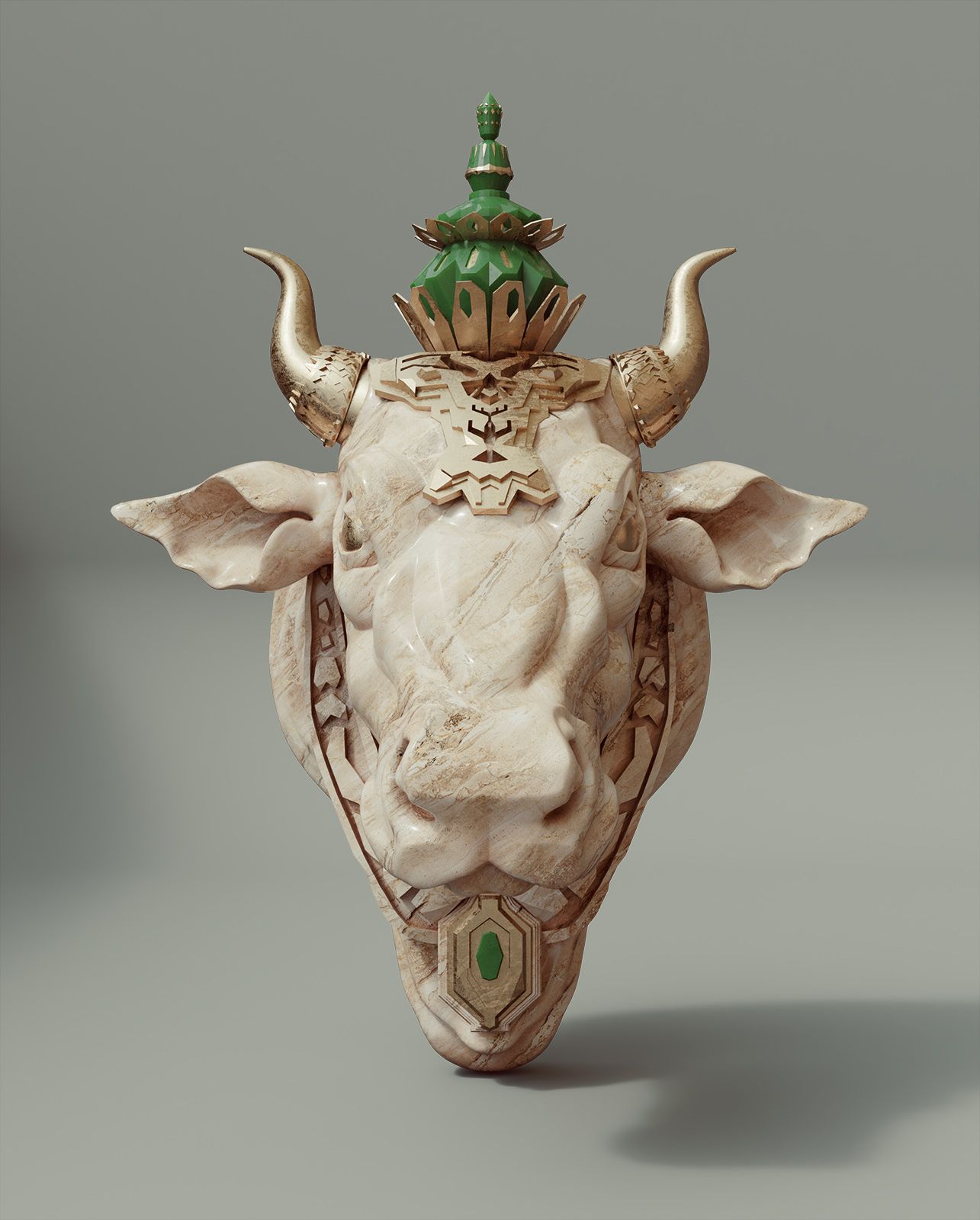
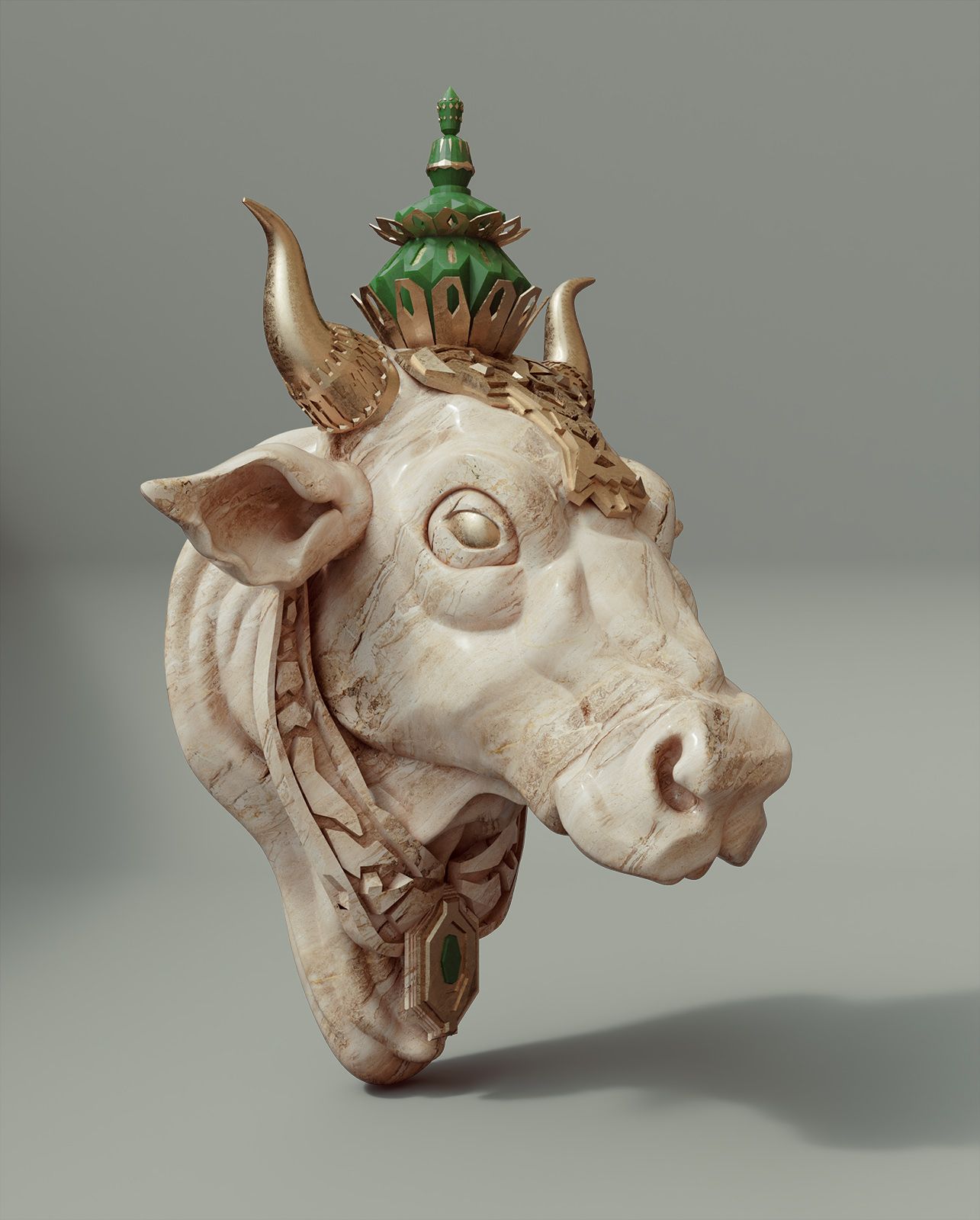
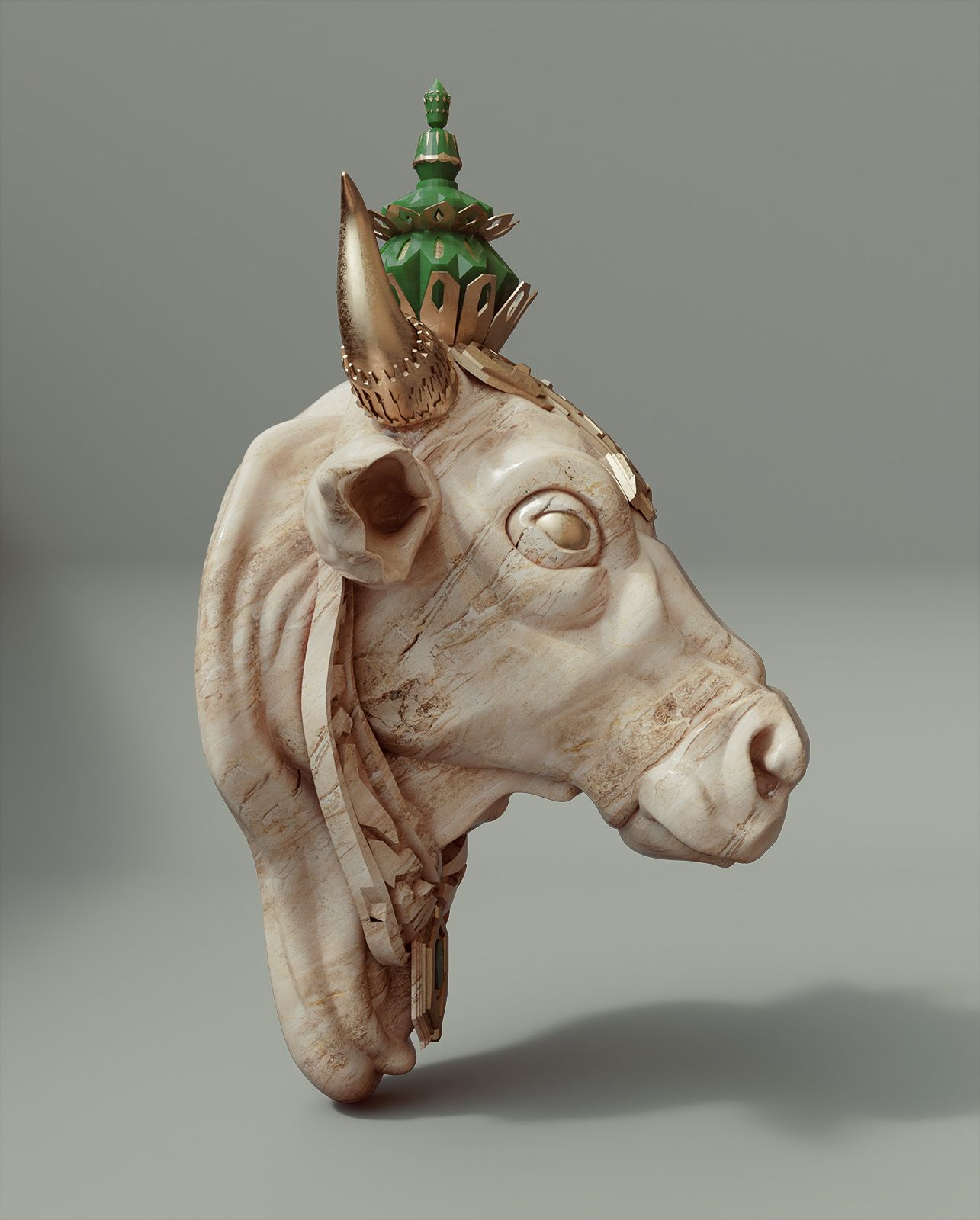
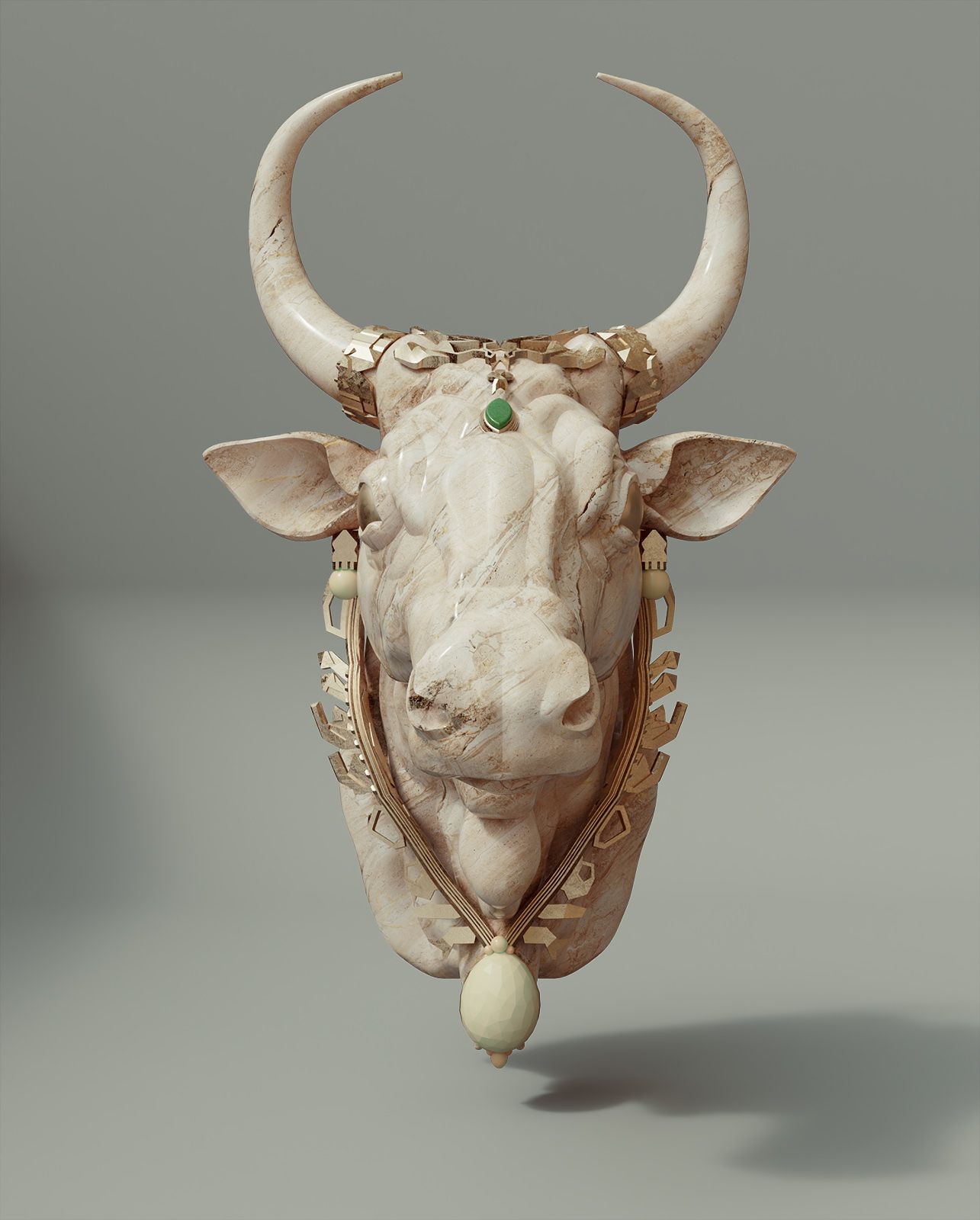
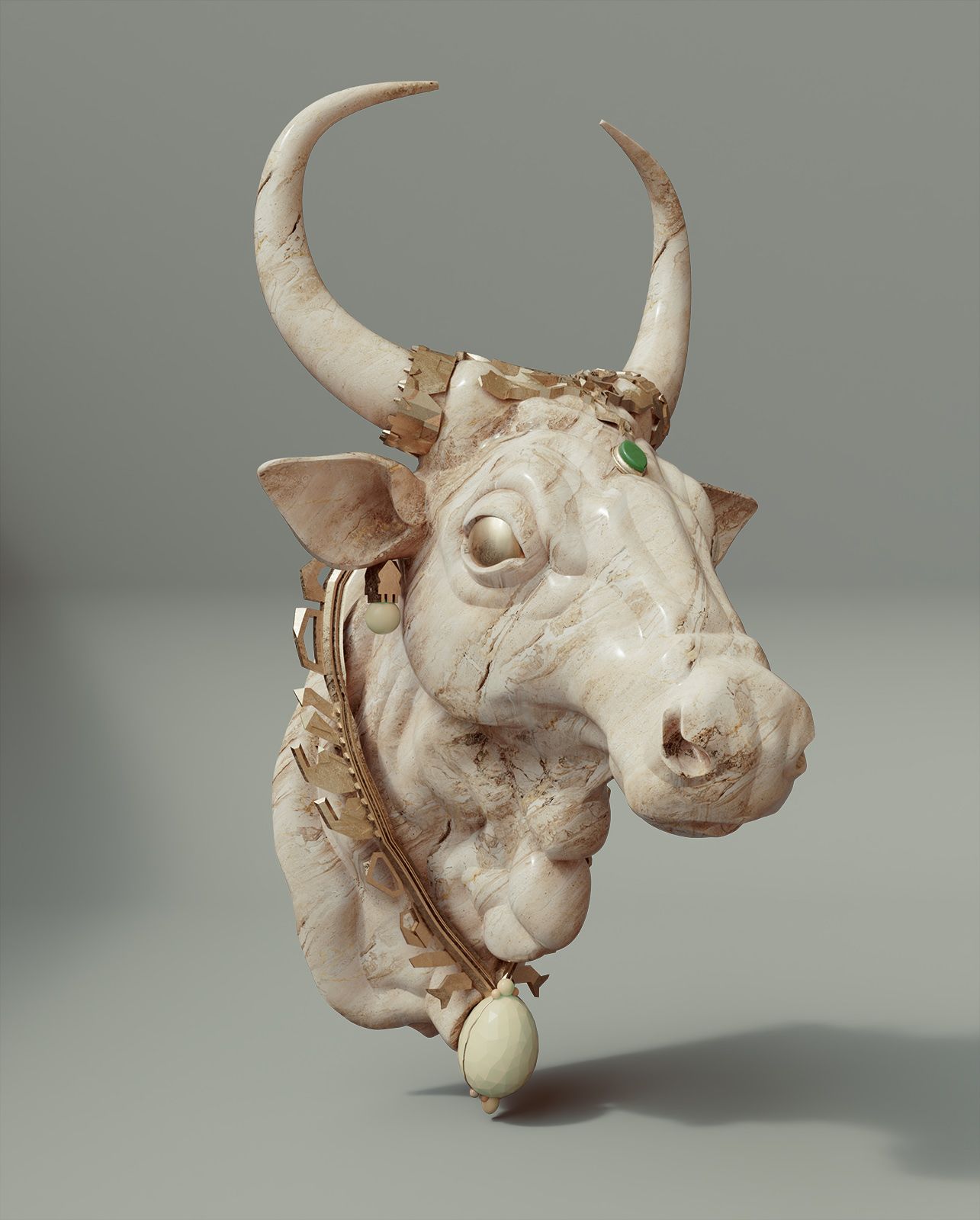
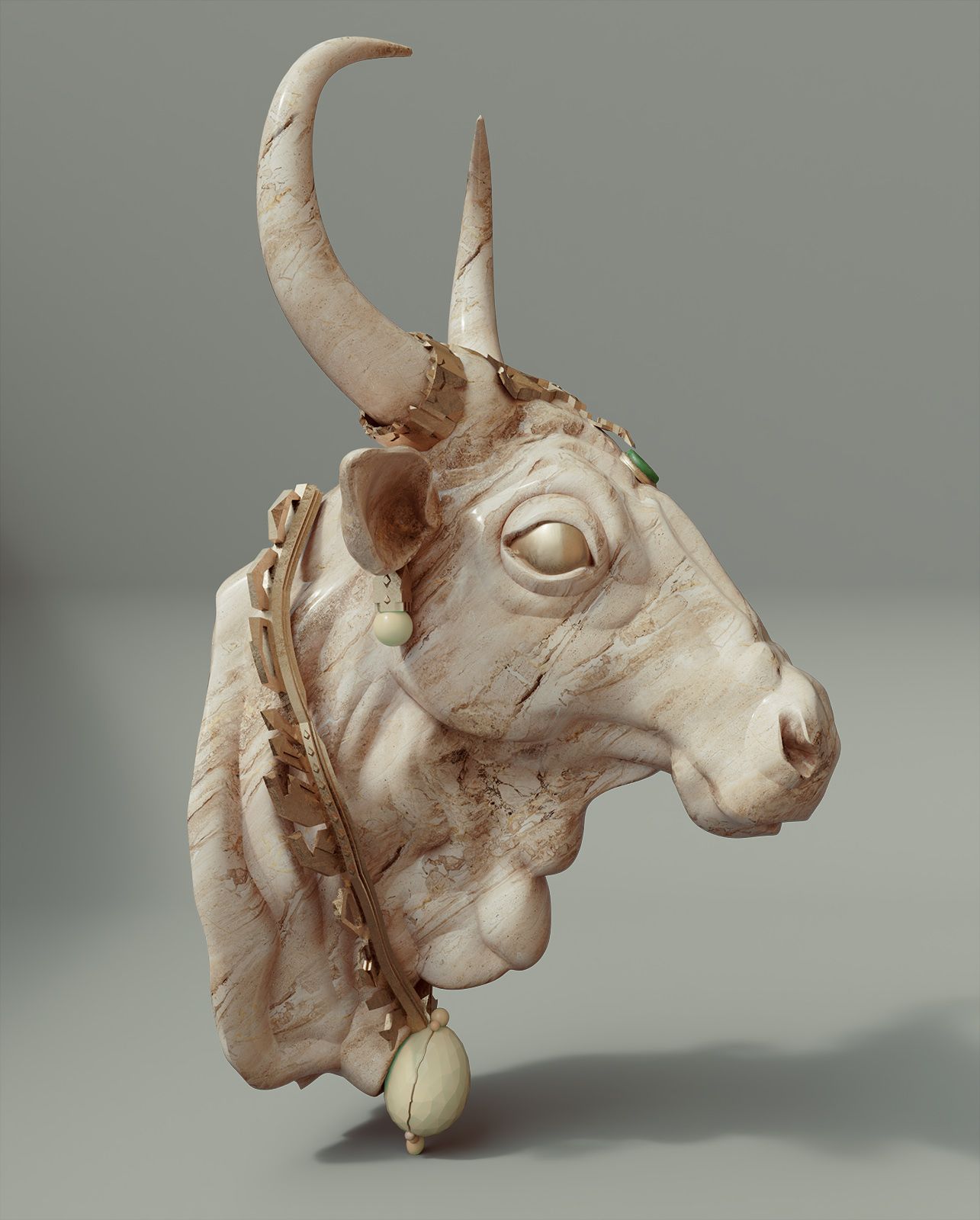
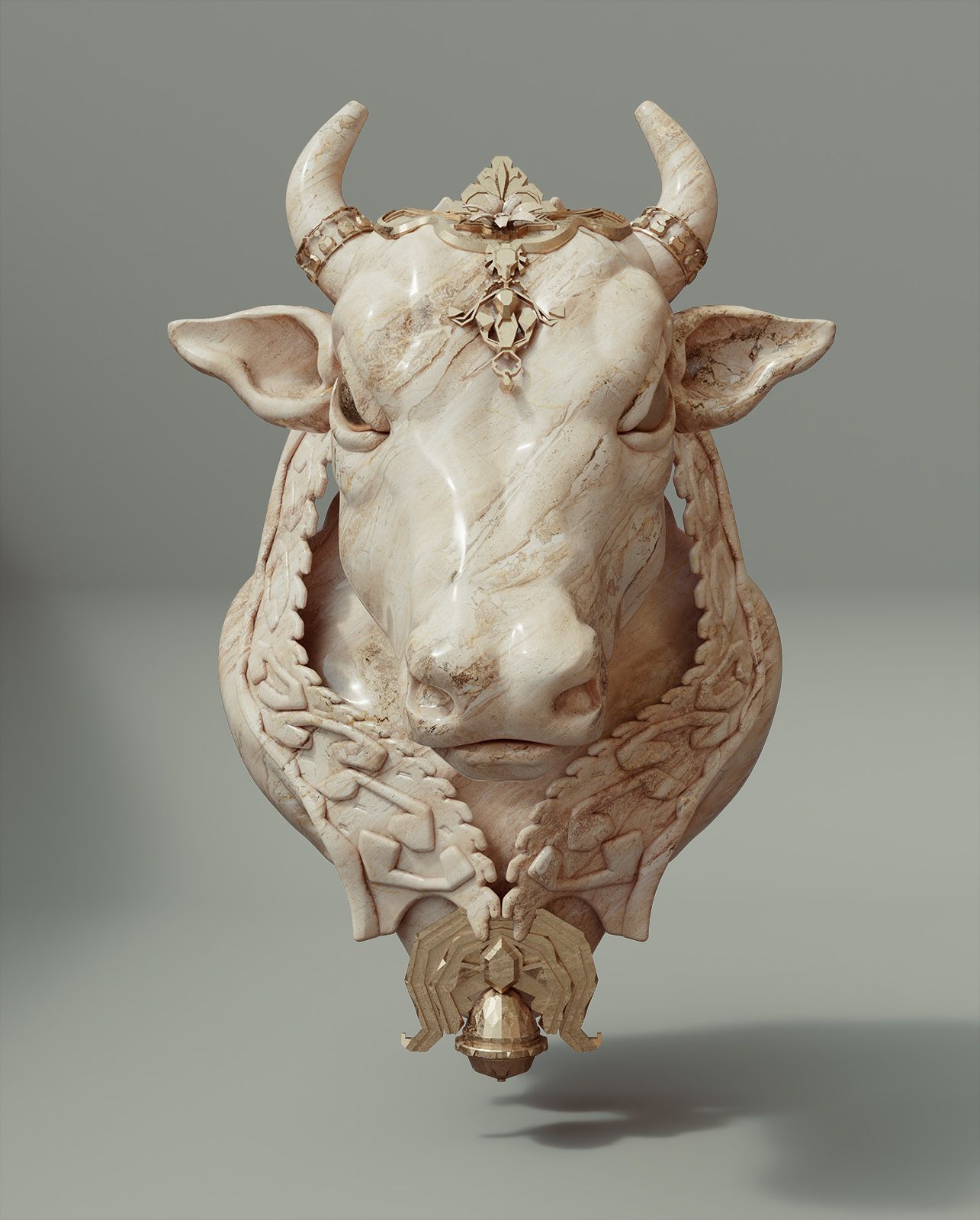
the picture made from 4 pictures generated by IA.
-
Another silk purse. You ARE the Jedi master.
-
Alors on fait de l'Ia de plus en plus!
Très cool, très propre, dans le bon sens du terme, tout ça! Bravo!
Comme d'habitude ce sont ceux qui ont la fibre artistique qui vont le plus en profiter!
On se demande ce que Gaudi en aurait fait!
Un peu comme cette façade j'en suis sûr!
Bon après il faut la réaliser, c'est une autre paire de manches!


Hello! It looks like you're interested in this conversation, but you don't have an account yet.
Getting fed up of having to scroll through the same posts each visit? When you register for an account, you'll always come back to exactly where you were before, and choose to be notified of new replies (either via email, or push notification). You'll also be able to save bookmarks and upvote posts to show your appreciation to other community members.
With your input, this post could be even better 💗
Register Login


Advertisement